Progressives have achieved near omnipotence in American cities. In Chicago and Los Angeles and in smaller metropolitan areas such as New Haven, single-party politics dominates. Lawmakers doggedly seek progressive reforms for nearly every city institution. Police departments might be next. “Defund” the police and reinvest. Better yet, “abolish” the police. Hollow posturing can calcify into rigidity, and soon enough — maybe not today, tomorrow, but within a decade — radical positions become household platforms.
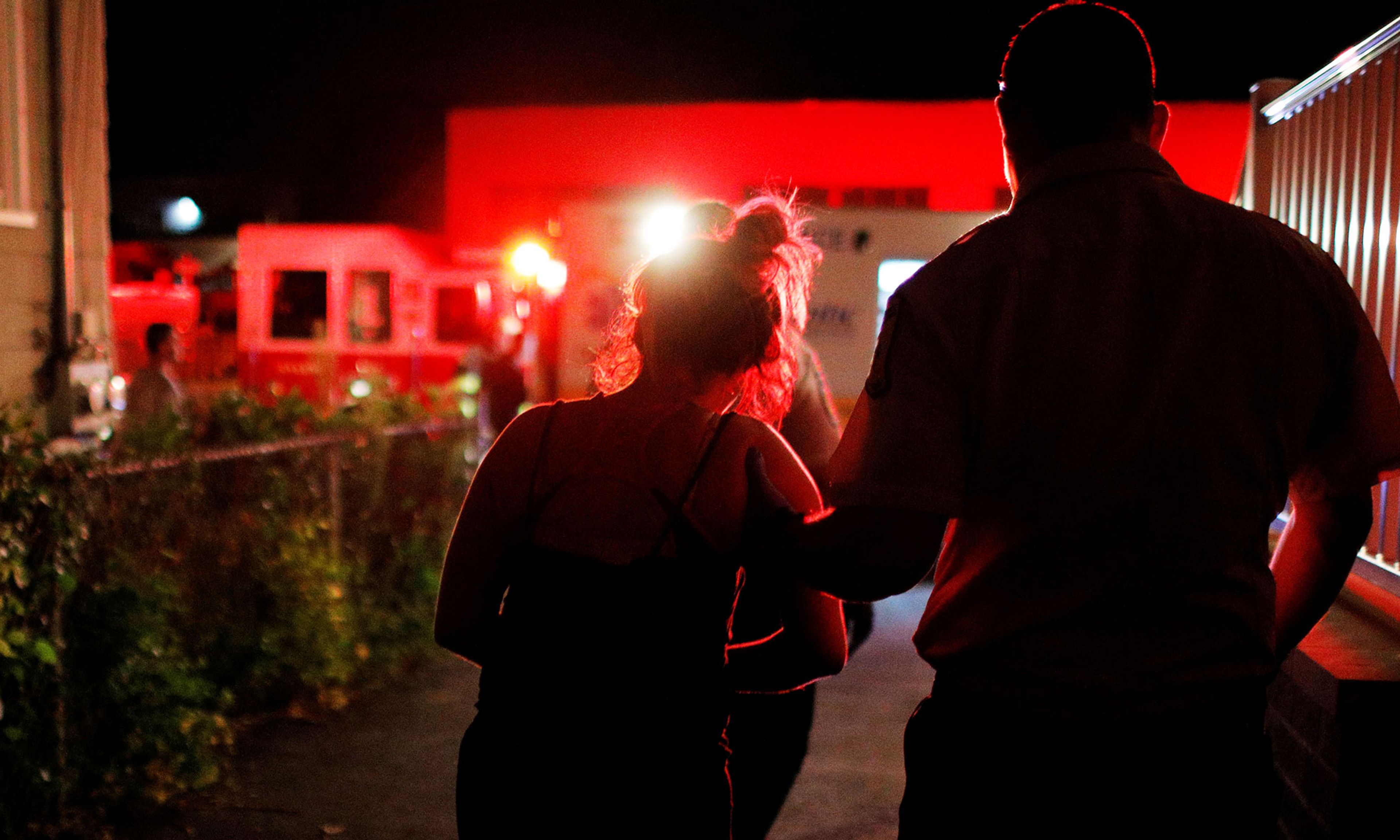
The many negative consequences of the progressive policy du jour would receive little or no media attention — unless, of course, structural racism could be blamed. Dire trends churn under the frothing news cycle, resurfacing occasionally when politically expedient. But the issue fraught with heart-wrenching drama blazes like a hot flare. Events with clear-cut victims and villains such as George Floyd and his killer Derek Chauvin ignite the progressive powder keg. A non-politicized issue — widescale and lethal, reported in data — receives far less media attention even as it plagues blacks in urban communities. Just as COVID-19 knows not the race of its victim, the opioid epidemic silently kills urban blacks at a high rate, another challenge for an already-challenged community.




Comments