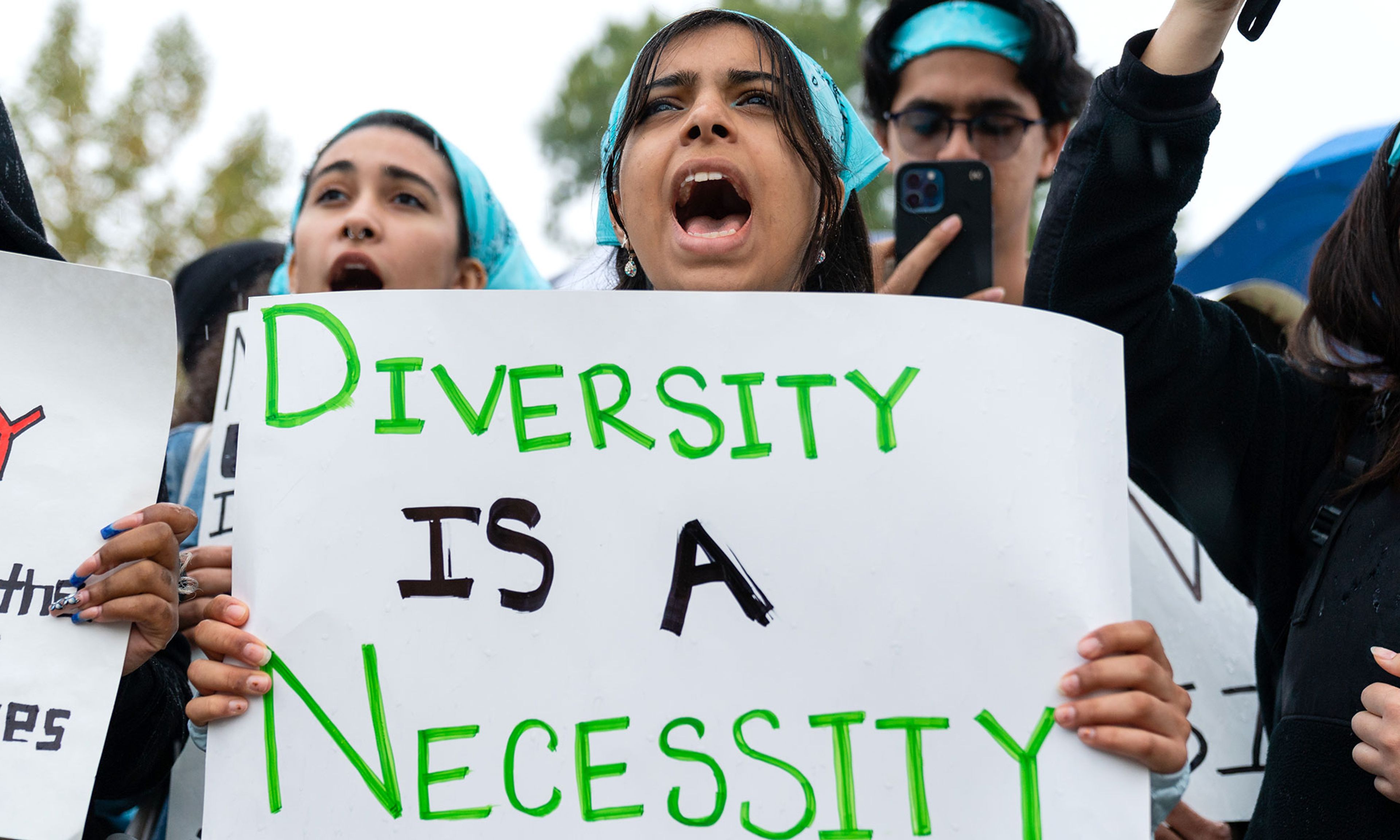
In a New York Times guest essay titled “The Truth Is, Many Americans Just Don’t Want Black People to Get Ahead,” Harvard Law professor Randall Kennedy — a reputable scholar loved by an intellectually diverse audience — addresses a “sobering feature” of American history: Efforts to advance African Americans and correct racial disparity have faced criticisms of “reverse discrimination” and “preference.”
To his credit, Kennedy’s outline of events is revealing. John C. Calhoun warned that emancipation’s next step would be political equality with whites, and America would “soon find the present of the two races reversed.” Andrew Johnson vetoed Reconstruction-era civil-rights legislation that provided birthright citizenship to all born in the U.S. besides American Indians since it discriminated against “patriotic foreigners” (European immigrants) and favored blacks. He also opposed federal protections for civil rights: “The discrimination of race and color is by the bill made to operate in favor of the colored and against the white race.” Similarly, Johnson viewed the 14th Amendment as racial favoritism. Johnson’s veto was overridden, and the 14th Amendment was, obviously, passed. In 1883, the Supreme Court struck down legislation prohibiting racial discrimination in public-accommodation provisions, stating that the black man “takes the rank of a mere citizen and ceases to be the special favorite of the laws.” In the 1940s, segregationist Southerners as well as New York City administrator Robert Moses — controversially accused of building “racist parkways” in New York — opposed anti-discrimination laws on a similar basis of special preferences.





Comments