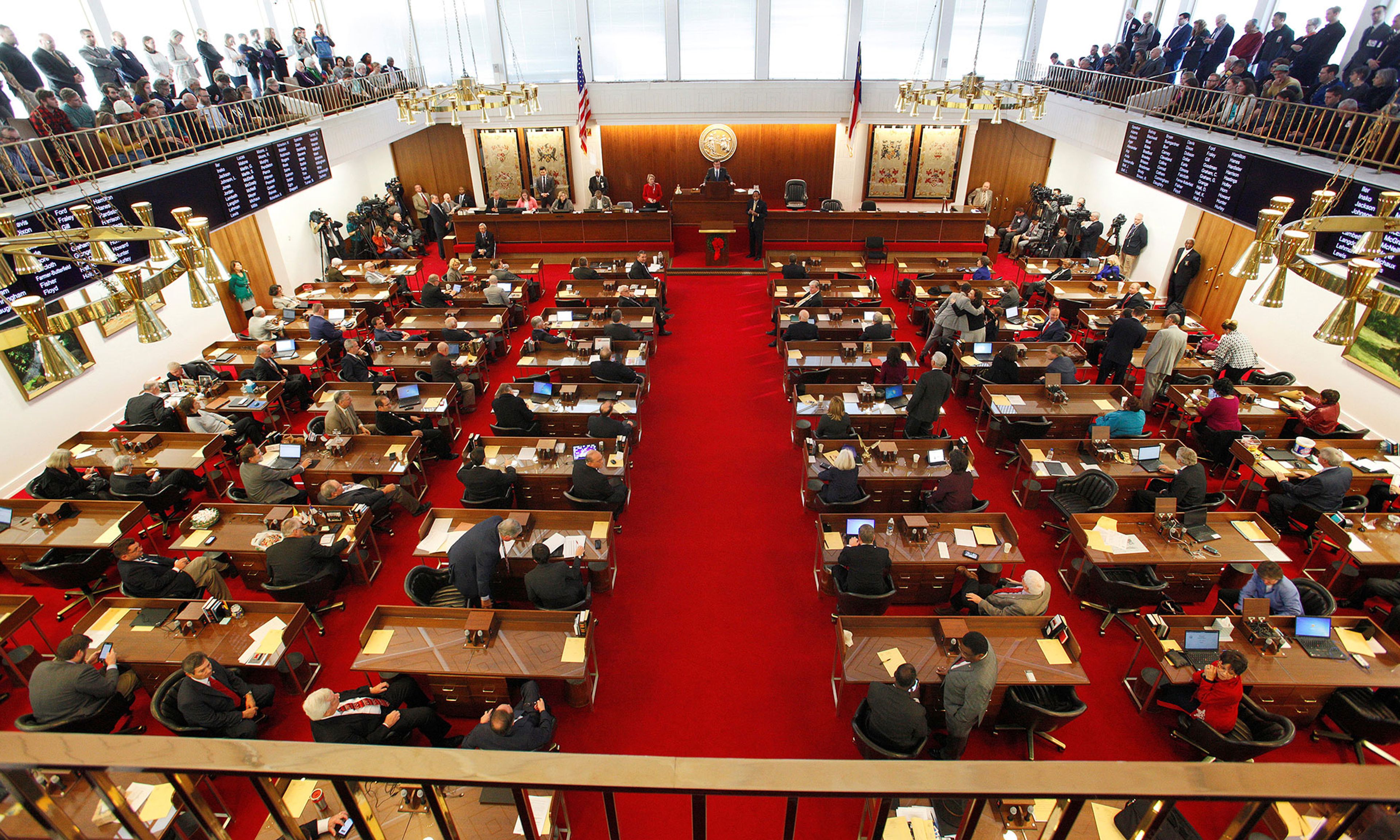
In August, Judicial Crisis Network president Carrie Campbell Severino authored a piece in National Review debunking the Left’s narrative about the stakes of the pending Supreme Court case Moore v. Harper. The case arose when North Carolina was apportioned an additional congressional district after the 2020 census. Upon obtaining the new seat, the Republican-controlled state legislature there drew a map favorable to the GOP. The map was subsequently challenged in state court and annulled pursuant to the North Carolina constitution’s “free elections” clause. After the legislature produced another map, the state supreme court appointed a special master to draw a new one. The legislators, based on the “independent state legislature theory” (ISL), then petitioned the Supreme Court to review the North Carolina supreme court’s decision.
Severino, a prominent conservative legal activist, was right to expose the progressive drama over the possibility of a favorable decision for Republicans in Moore for what it is: a fear-mongering campaign. Her assertion that “the Left is rallying opposition to the North Carolina challenge in federal court with a campaign of disinformation and hysteria” is spot on. If the petitioners prevail, it won’t be a “five-alarm fire for democracy.” However, her argument that “‘independent state legislature theory’ should more appropriately be called the ‘constitutional elections theory’ falls a bit short.



Comments