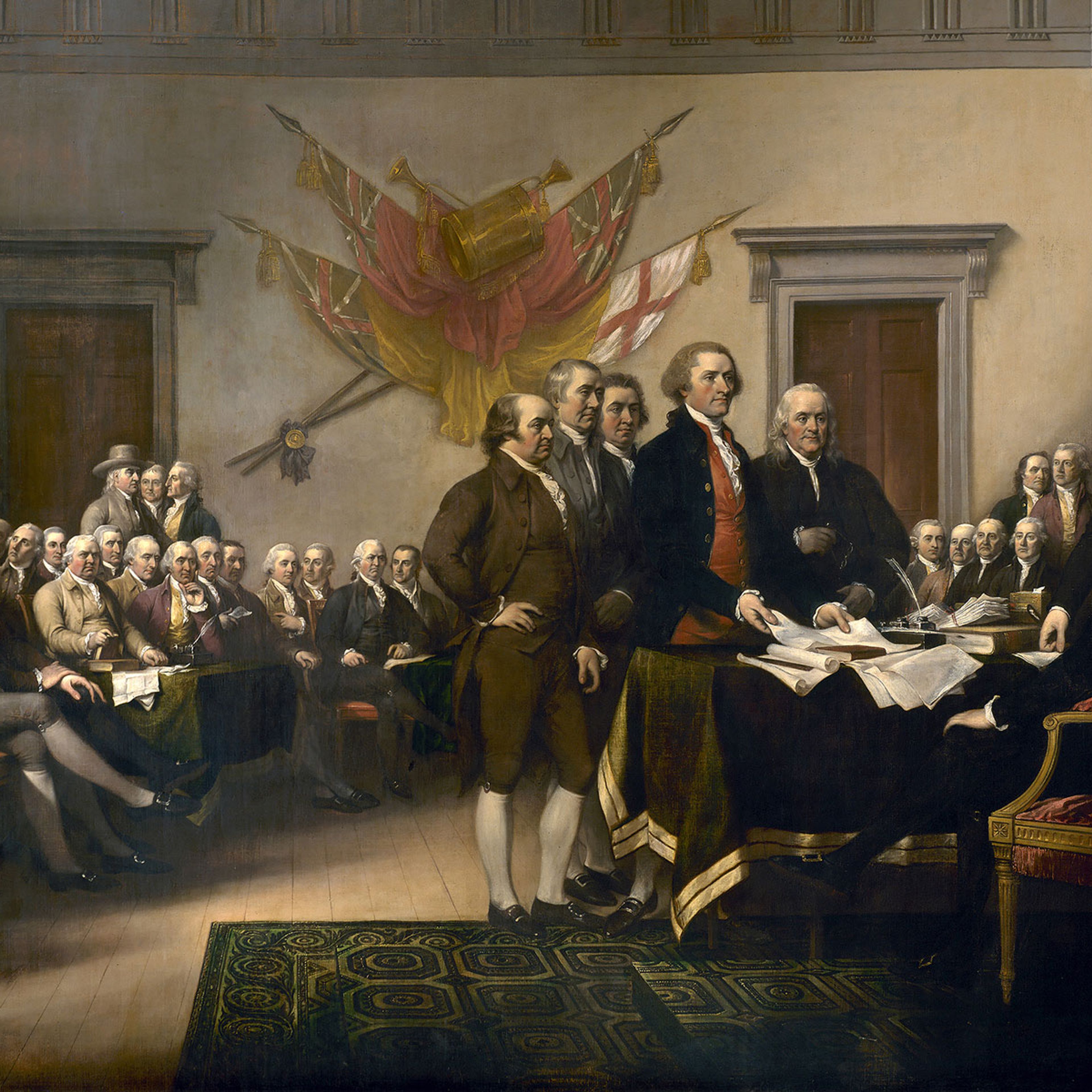
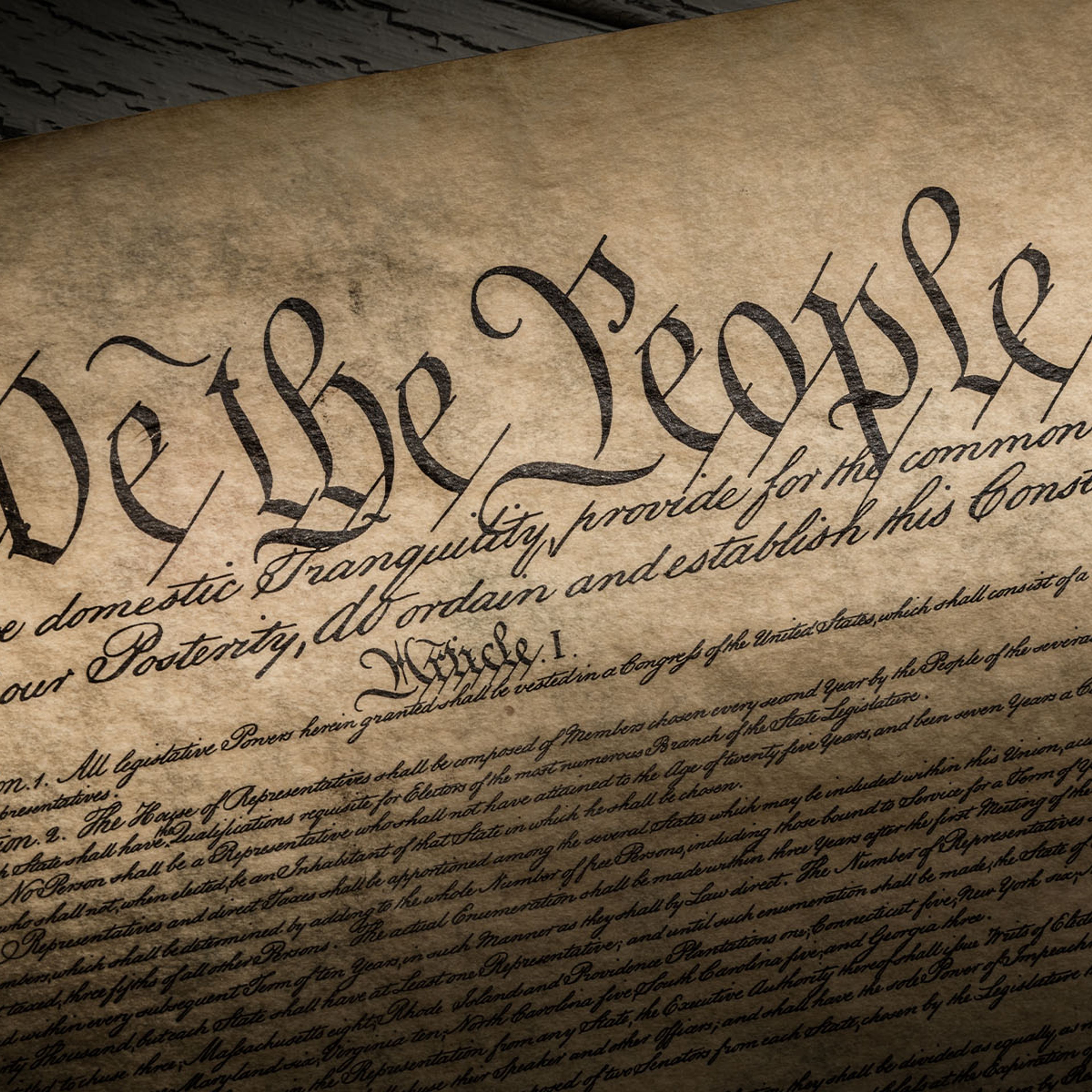
EDITOR’S NOTE: This column is available exclusively through King Features Syndicate. For permission to reprint it or excerpt from it, please write to [email protected], or phone 800-708-7311, ext. 246. As a nation, we were extraordinarily blessed in our revolutionaries. It wasn’t just that they were brave and determined. So were the avatars of revolution throughout the 20th century who wrecked nations and peoples. No, what makes them so wondrously distinct is that they were also just and wise, grounded always in a clear-eyed view of human nature. “There is a degree of depravity in mankind,” James Madison wrote in The Federalist, “which requires a certain degree of circumspection and distrust.” When revolutionaries talk of depravity, it is often to brand their class or ethnic enemies for destruction. Gas chambers, prison camps, and killing fields inevitably follow. The depravity of which our Founders spoke was different. It ran through the hearts of all men, themselves included. It tempered their expectations of what they could achieve and what they should attempt. No secular millennium, no perfectly harmonious republic — because, as Madison wrote, “the latent causes of faction are sown in the nature of man.” “Enthusiasm there certainly was — a revolution is impossible without enthusiasm,” Irving Kristol writes of 1776, “but this enthusiasm was tempered by doubt, introspection, anxiety, skepticism. This may strike us as a very strange state of mind in which to make a revolution; and yet it is evidently the right state of mind for making a successful revolution.” The Revolution was institutionalized in the Constitution, an inspired exercise in leveraging human failings against one another — “ambition counteracts ambition” — to create a stable structure of liberty. “It may be a reflection on human nature,” Madison wrote in a famous passage in Federalist No. 51, “that such devices should be necessary to control the abuses of government. But what is government itself, but the greatest of all reflections on human nature? If men were angels, no government would be necessary. If angels were to govern men, neither external nor internal controls on government would be necessary. In framing a government which is to be administered by men over men, the great difficulty lies in this: You must first enable the government to control the governed; and in the next place oblige it to control itself.” How did the Founders come to know man as they did? They had broad practical experience that exposed them to humanity in its glory and its folly: as lawyers, military officers, and — especially important — legislators. Some knew hardship. Try, like Alexander Hamilton, making your way as a penniless, orphaned bastard from the West Indies and see if you don’t pick up a few hard-boiled lessons about how the world works. They read widely, knew the classics, and soaked up history. John Adams studied and wrote a book about the French civil wars of the 16th century, concluding of human affairs: “Reason holds the helm, but passions are the gales.” Madison undertook a yearlong study of the history of republics and confederacies prior to the writing of the Constitution. Believing “experience is the oracle of truth,” he endeavored to learn from this long, unrelieved record of failure. They didn’t let their view of reality get obscured by abstruse theories or sunny abstractions of the sort that perverted the French Revolution. No philosophes need apply. Instead, a residual Calvinism tinged their worldview. They admired the “country” tradition in England, characterized by a deep distrust of the crown and support for republican reforms to preserve English liberties. In this tradition, the late historian Martin Malia writes, “men were neither rational nor naturally good,” and “human government therefore invariably tended toward corruption and despotism.” In keeping with their lively view of human fallibility, our revolutionaries set about circumscribing government to limit its abuse. After a false start under the Articles of Confederation and its feeble federal government, the Constitution struck a proper and enduring balance. It wasn’t quite a “miracle.” It was assuredly the work of men — not just supremely talented statesmen and political thinkers, but some of the best social scientists the world has ever known.
Our Founders the Realists
by Rich Lowry
The Constitution succeeded because its authors had a clear-eyed view of human nature.
Share this story

About the Author
Rich Lowry is the editor in chief of National Review.
Advertisement
Advertisement



Comments