
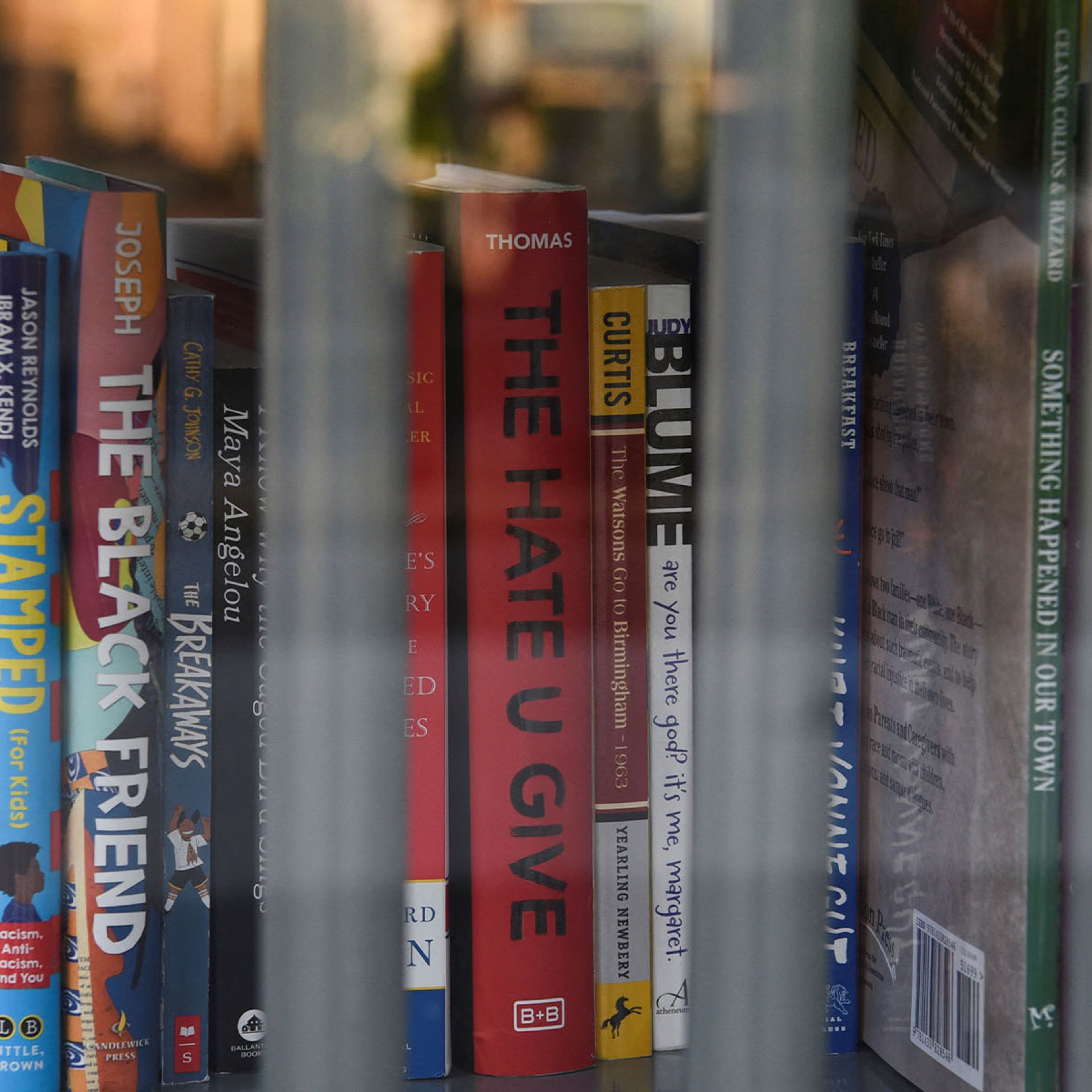
In 2023, I criticized PEN America’s annual report that claimed to document “3,362 book bans affecting 1,557 unique titles” across the country’s public schools during the 2022–23 academic year. At the time, I noted that the report suffered from a poor methodology that skewed the results to provide the left with ammunition against Republican legislatures. PEN America’s new report for the 2024–25 school year, titled “The Normalization of Book Banning,” records 6,870 instances of book bans affecting nearly 4,000 unique titles across the country — but yet again, such numbers are inflated. The main issue with the organization’s finding, in both the 2023 and 2025 editions of the report, is that the following definitions are employed:
I must repeat what I said in 2023: Restricting access does not amount to a “ban.” In the United States, you must be a certain age to drive a car, drink alcohol, or gamble — yet none of us would argue that those activities are “banned” because of the minimum age thresholds. Although PEN America attempts to blame “national and local groups touting extreme conservative views” for the imposition of barriers to a particular book in school, there are entirely reasonable and wholly apolitical reasons why a school might establish an age or grade restriction. Consider a hypothetical scenario where a school originally allowed all students to check out the Harry Potter series but later made it available only to students in third grade and above because, particularly in the later books in the series, the descriptions of death and physical confrontation proved distressing for younger children. Under PEN America’s methodology, the Harry Potter series is now “banned,” but according to any normal person, the school has taken sensible measures to ensure that students are engaging with material that’s appropriate in terms of thematic content and difficulty.



Comments