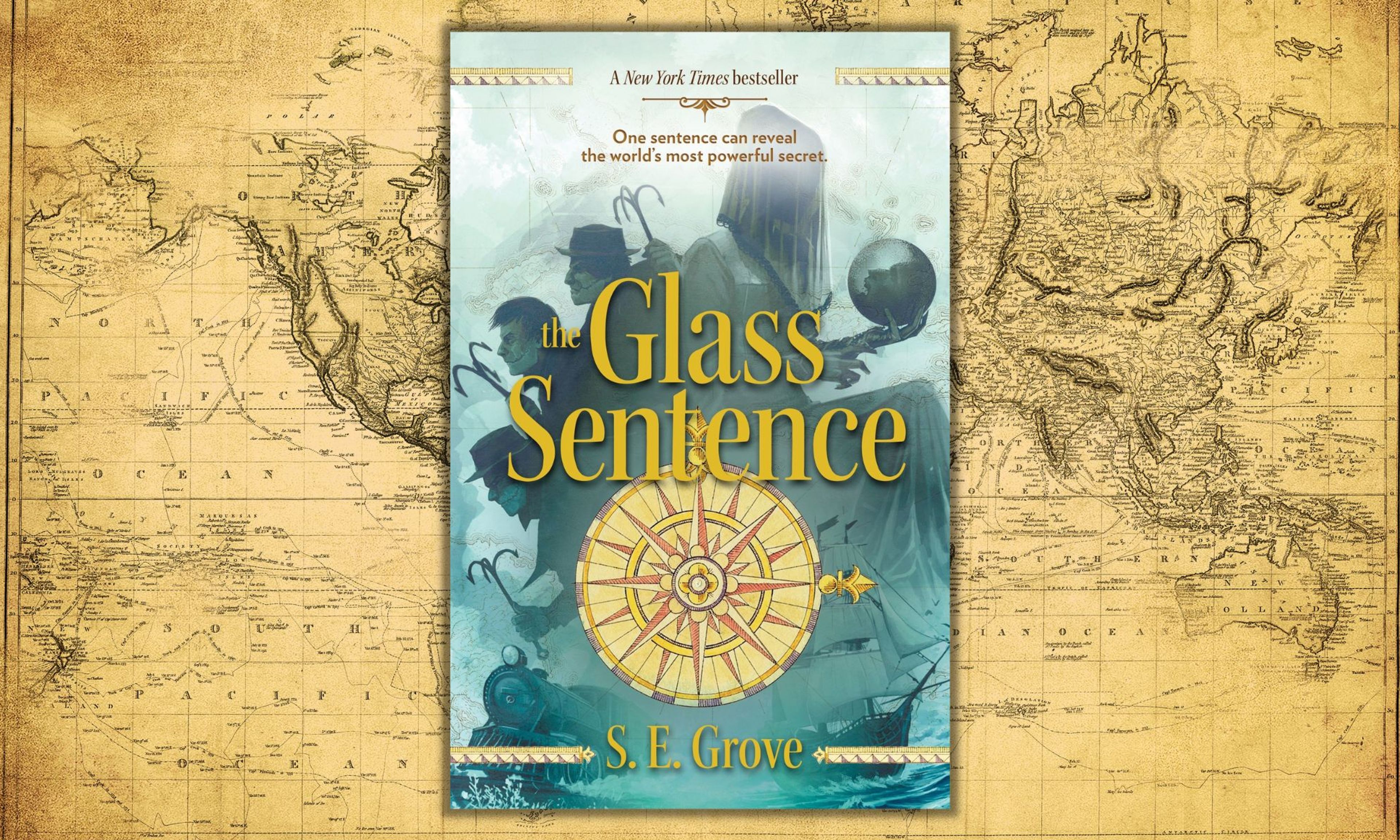
So many writers aspire to be the next J. R. R. Tolkien. Their fantastical stories sprawl across numerous volumes and try to cram in as many strange creatures and made-up names as possible. Unfortunately, these attempts often come across as cluttered, affected, or just plain odd. World-building is a skill, and if you’ve honed it, your work will have more success in capturing the imagination of readers.
S. E. Grove in The Glass Sentence has almost found the right balance in this area by mixing genres and giving readers a thrilling counterfactual twist in her world-building. The world seems familiar, at first. It’s Boston in 1891—how strange could that be? Slowly, however, we realize that this Boston — with its 20-hour clocks, “Goodyears,” and a parliament — is not what we thought. Furthermore, while Boston is in the geographical locale one would expect, the territory surrounding it isn’t the U.S.: It’s New Occident.





Comments