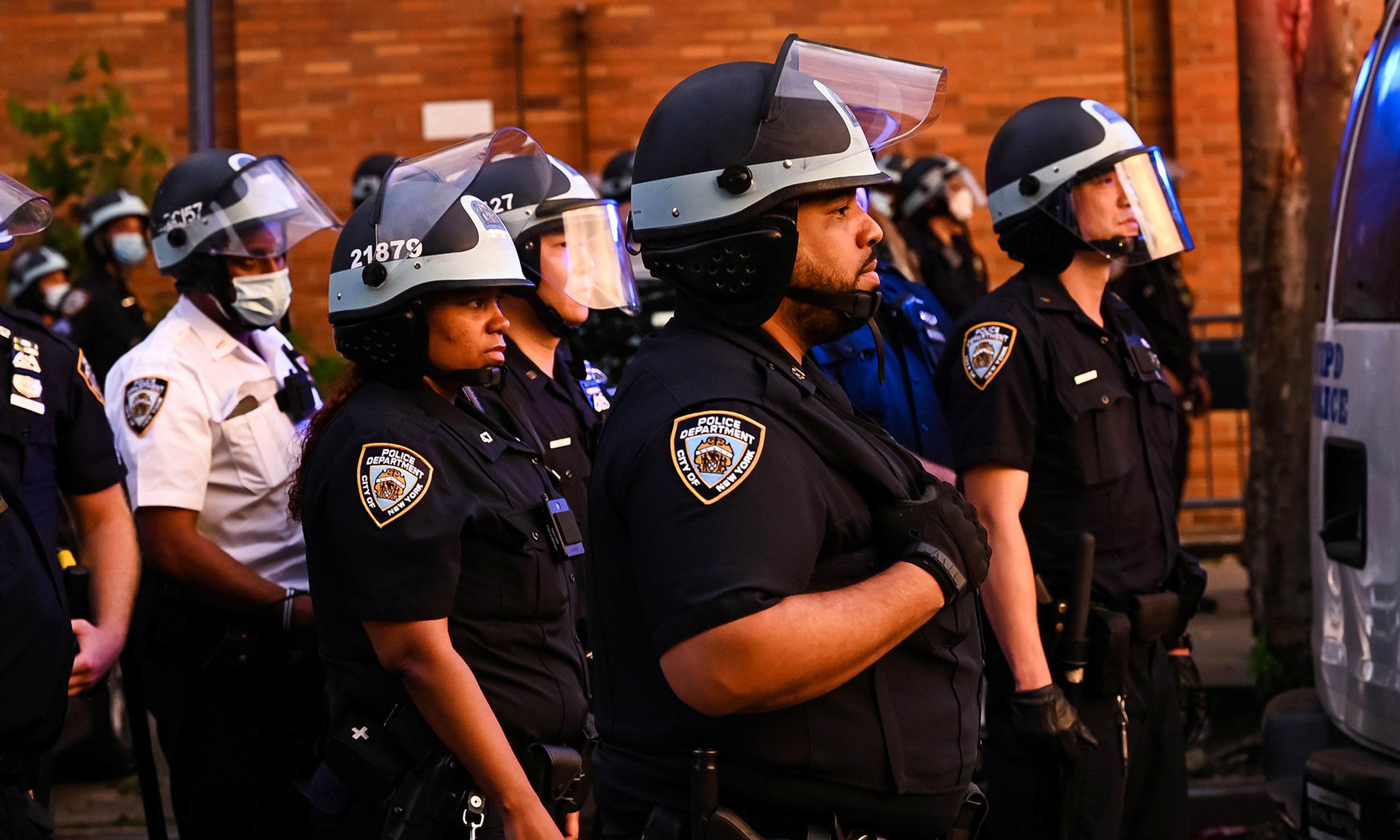
Popularized by political commentator Heather Mac Donald, “the Ferguson effect” describes a process by which anti-cop rhetoric creates a climate that discourages law enforcement from engaging in proactive policing. The 11.4 and 8.2 percent increases in the U.S. homicide rate from 2014 to 2015 and then from 2015 to 2016 were presumed to be by-products of widespread de-policing.
For conservatives, the Ferguson effect represents a criminological phenomenon that threatens to reverse a 25-year sustained reduction in serious crime. For liberals, it is a specious “tough-on-crime” talking point designed to undermine concerns about systemic racism in policing. The scholarly literature, however, remains mixed.




Comments