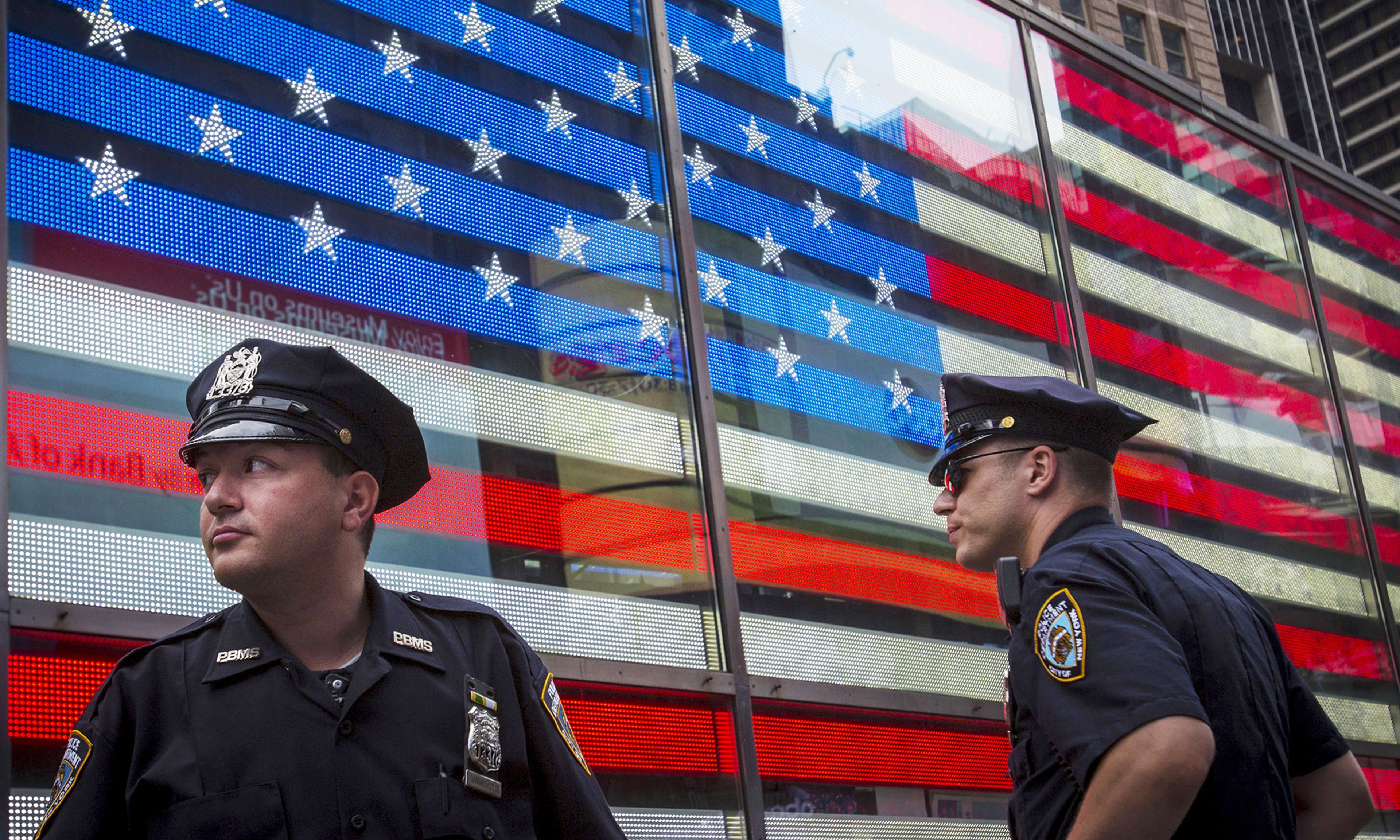
The recent killing of George Floyd by Minneapolis police officer Derek Chauvin and subsequent protests throughout the U.S. have once again brought issues of race, justice, and police accountability to the center of our national debate. The tragedy of Mr. Floyd’s death is compounded by the deaths of many other unarmed Americans at the hands of those entrusted to serve and protect our communities: Eric Garner, Michael Brown, Alton Sterling, Tony Timpa, and others. As a result of these tragedies, the public’s confidence in the police has decreased. Many have reasonably come to wonder: How can a police officer kill an unarmed citizen and so often escape criminal prosecution and conviction? While current legislative efforts at police reform are mostly aimed at ending qualified immunity, such legislation, if ultimately passed, would only make it easier for victims to obtain monetary damages in a lawsuit against a police officer. It would do nothing to hold police officers criminally accountable for abusive conduct.
In order to remedy this shortcoming, Congress should adopt a Uniform Code of Police Justice (UCPJ) modeled after the Uniform Code of Military Justice (UCMJ), which currently applies to U.S. military personnel. Such a code would recognize the unique role that police officers play in our society by holding them criminally accountable for misconduct in the same way that military personnel can be held criminally accountable. Broadly speaking, a UCPJ would achieve this in two ways: (1) by adopting laws from the UCMJ, such as those covering conduct unbecoming an officer and dereliction of duty, that would place heightened legal obligations on officers in the performance of their duties; and (2) by more clearly defining what constitutes a justifiable use of force in the same way that the military’s rules of engagement are clearly defined. Indeed, violations of the military’s rules of engagement are criminally actionable under the UCMJ.



Comments