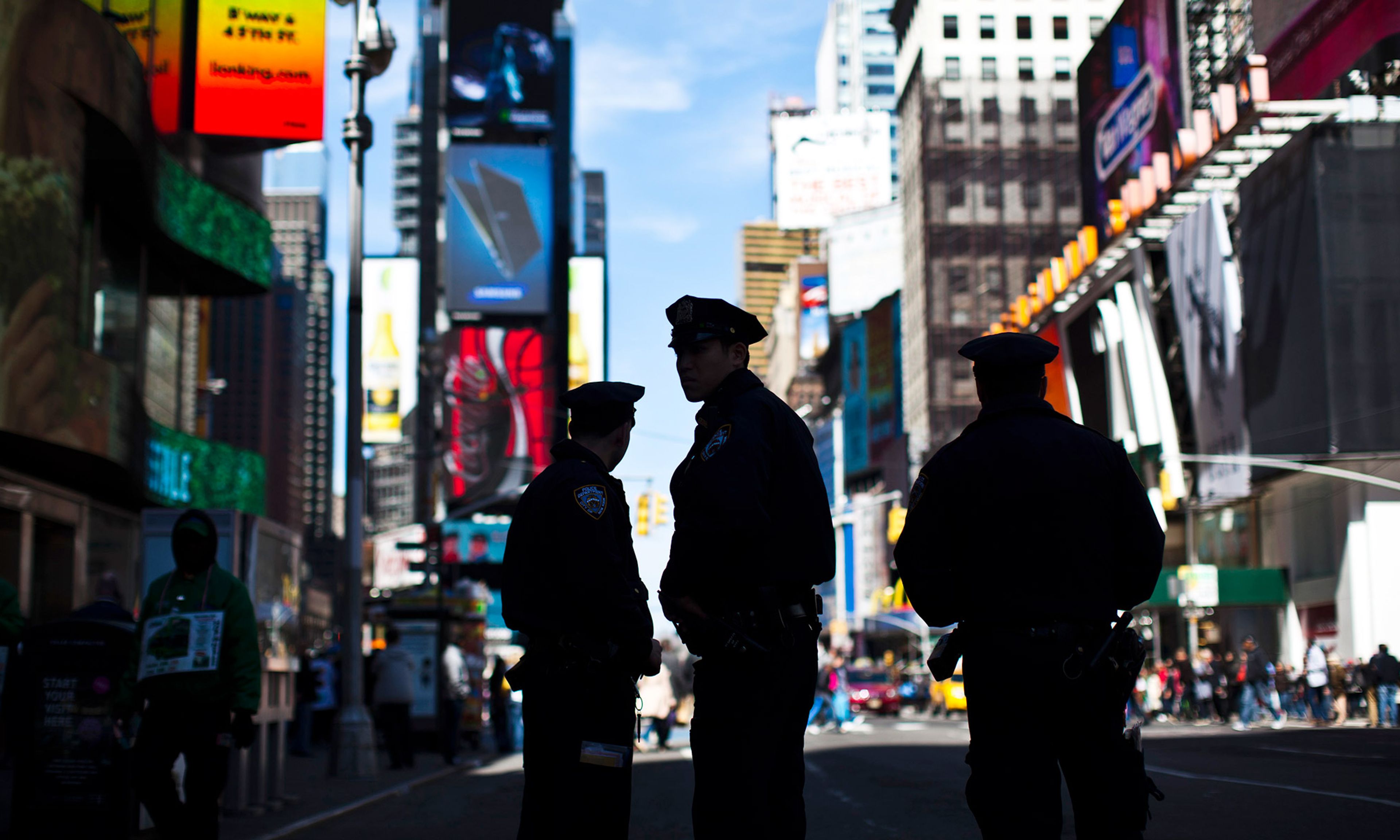
Minnesota prosecutors have filed second-degree murder and aiding-and-abetting charges against the police officers who participated in the killing of George Floyd last month. While nationwide protests have sometimes descended into violence and looting, they have also successfully increased the pressure for policing reforms. Liberals have put forward a package of modest changes, giving conservatives the opportunity to propose a truly radical program to address our failing inner cities.
Under the Constitution, the primary responsibility for criminal-law enforcement lies with the states, not the federal government. Maintaining law and order and protecting public health and safety fall squarely within the “police powers” reserved to the states under the Tenth Amendment. While the federal government plays a significant role in regulating interstate crime and sending money and support to states, the Constitution gives Washington, D.C., no explicit power to handle garden-variety crime.





Comments