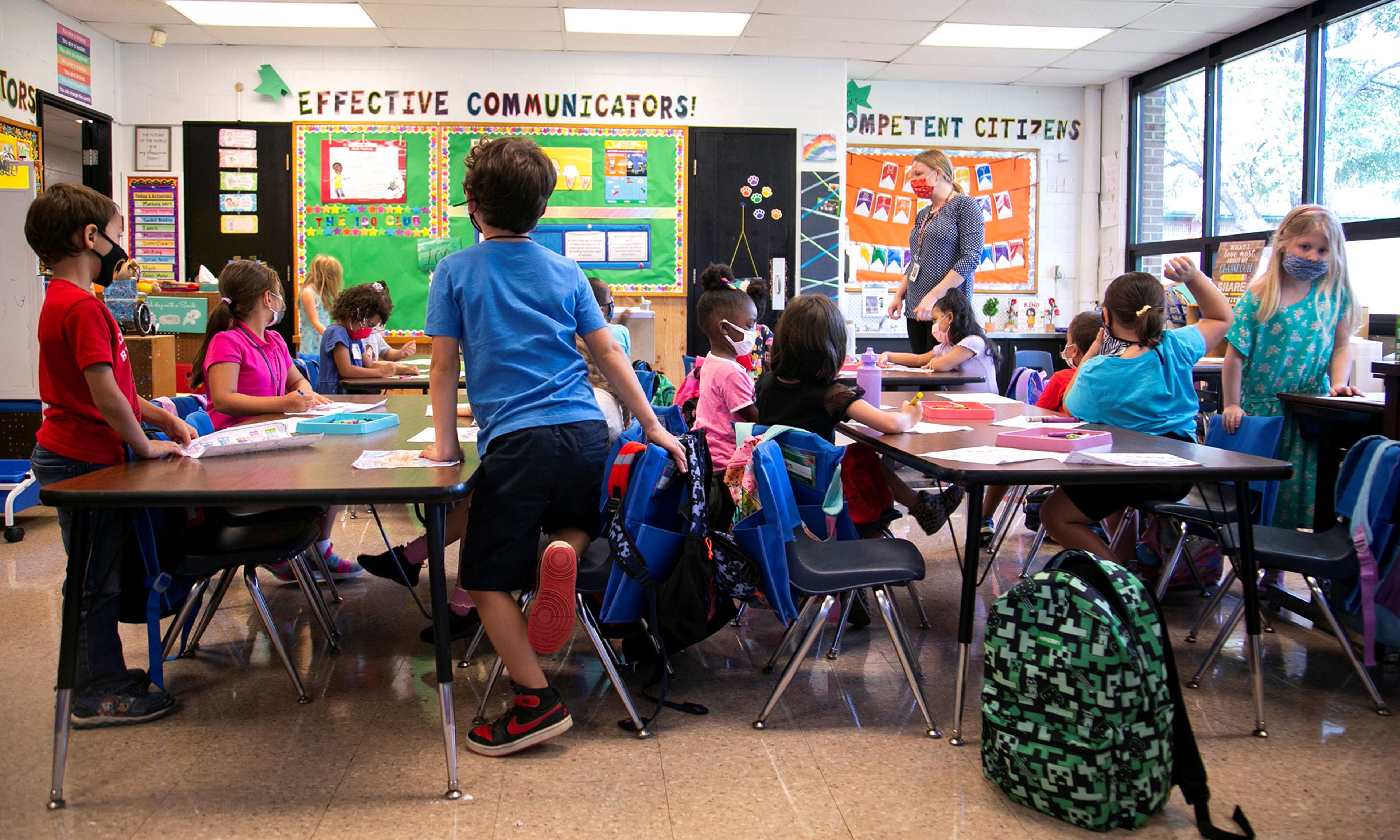
Perhaps the biggest lie in American education is that schools serving rich kids spend more than those serving the poor. Where suburban districts bask in shiny textbooks and Astroturf, urban districts suffer crumbling foundations and teacher-bought school supplies. That’s the consensus among “progressives” in statehouses and think tanks alike. But with a handful of exceptions, they’re simply wrong.
They weren’t always wrong. Before Brown v. Board of Education, schools were unequal in dollar terms as well as segregated. Because public-school financing relied mostly on property taxes, rich neighborhoods had more money to spend on kids’ education than poor ones. Over the past 70 years, however, a combination of court challenges, state budget shifts, and federal-spending programs have reversed the balance in most places.



Comments