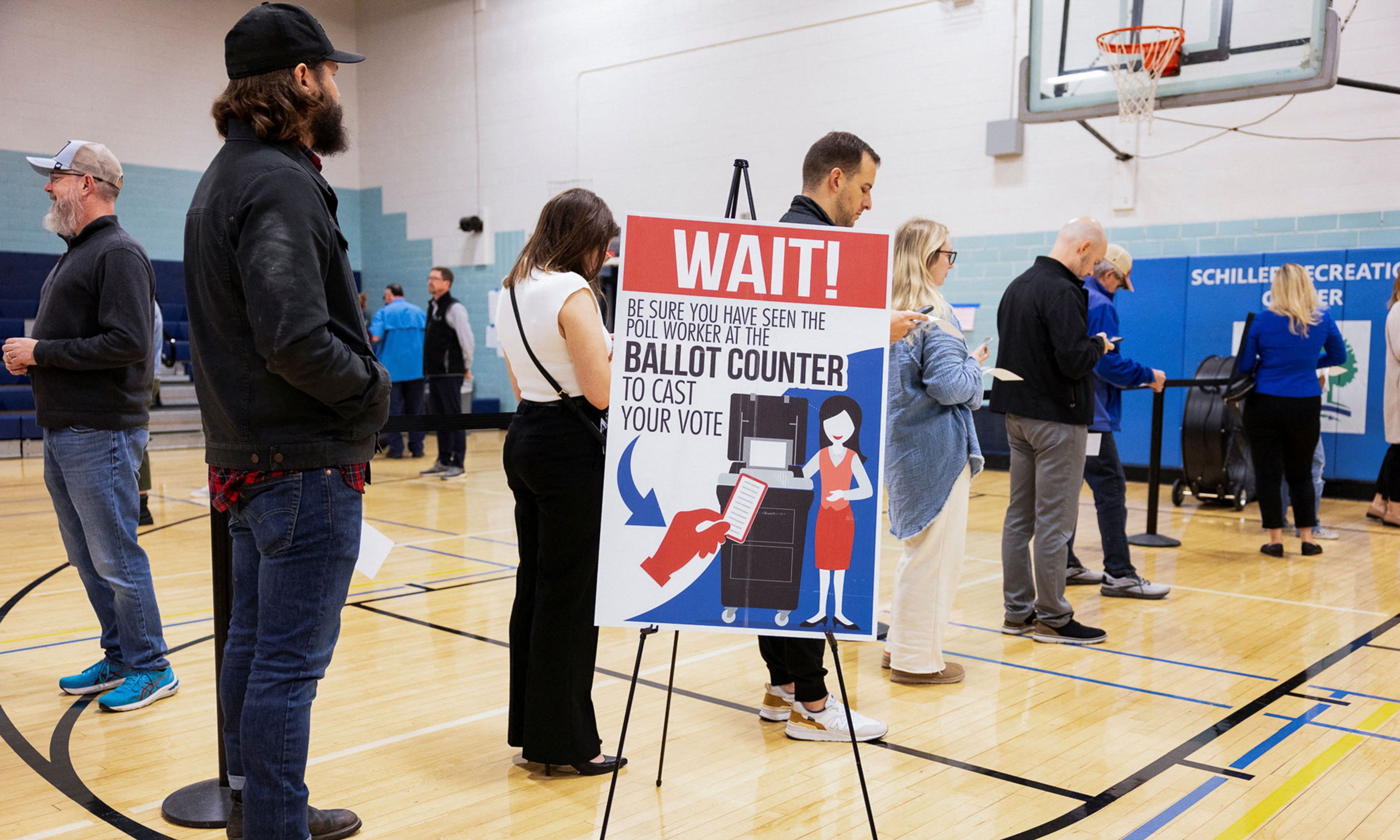
Ohio may have lost its status as a swing state for presidential elections, but that doesn’t mean that it is any less of a battleground. Ohio was one of the many states last year that passed pro-abortion constitutional amendments, and the directly elected supreme-court justices will have a huge impact on how that amendment, enrolled as Article 1, Section 22 in Ohio’s constitution, will be interpreted and implemented. Ohio’s conservative voters need to keep their focus downballot to ensure the excesses of pro-abortion forces do not overtake the Buckeye State.
The supreme court of Ohio currently has a 4-3 Republican majority and is one of the few states where control of the judiciary is up for grabs this November. When current Chief Justice Sharon Kennedy won that role in 2022, her position as a junior justice was then opened up for an appointment. The Cincinnati area prosecutor and former state treasurer Joe Deters was appointed for her seat. Instead of finishing out the unexpired term ending in 2026, Deters is challenging Democrat and fellow incumbent Justice Melody Stewart for her seat. Hamilton County judge Megan Shanahan is challenging incumbent Justice Michael Donnelly, focusing her campaign primarily on his authorship of a supreme-court decision eliminating consideration of public safety when setting cash bail. Franklin County, Columbus-area Republican judge Dan Hawkins is running against Democrat Lisa Forbes for the two years remaining on Justice Deters’s seat. A Republican sweep would result in a 6-1 Republican supreme court. In the case of a Democratic sweep, they would capture a 4-3 majority with Chief Justice Kennedy presiding in the minority.


Comments