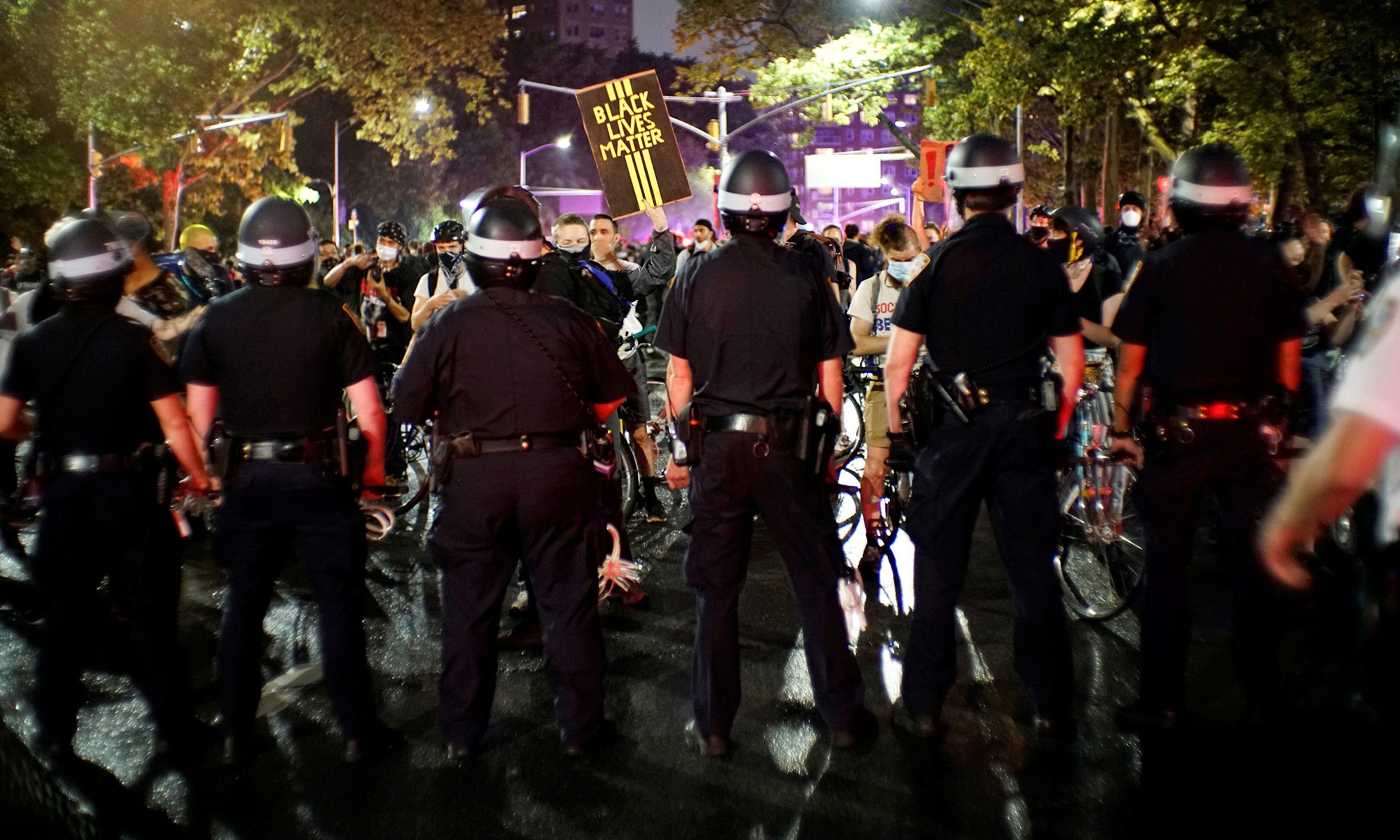
Soon after the 2014 police-shooting death of Michael Brown Jr., in Ferguson, Mo., regarded as racially motivated by many, the U.S. Department of Justice sponsored a two-day training in implicit bias for police in the St. Louis area. The short-term goal of the training was sold as helping officers become aware of their unconscious racial prejudices. This training would, presumably, curtail discriminatory use of force and, ultimately improve public trust in the police.
The federal government and private foundations have since disbursed millions of dollars to train local police departments. And after the killing of George Floyd in Minneapolis, the mayors of Los Angeles, Milwaukee, and Tampa signaled their intention to install or expand implicit-bias training. The states of Michigan and Texas have passed bills requiring it.





Comments