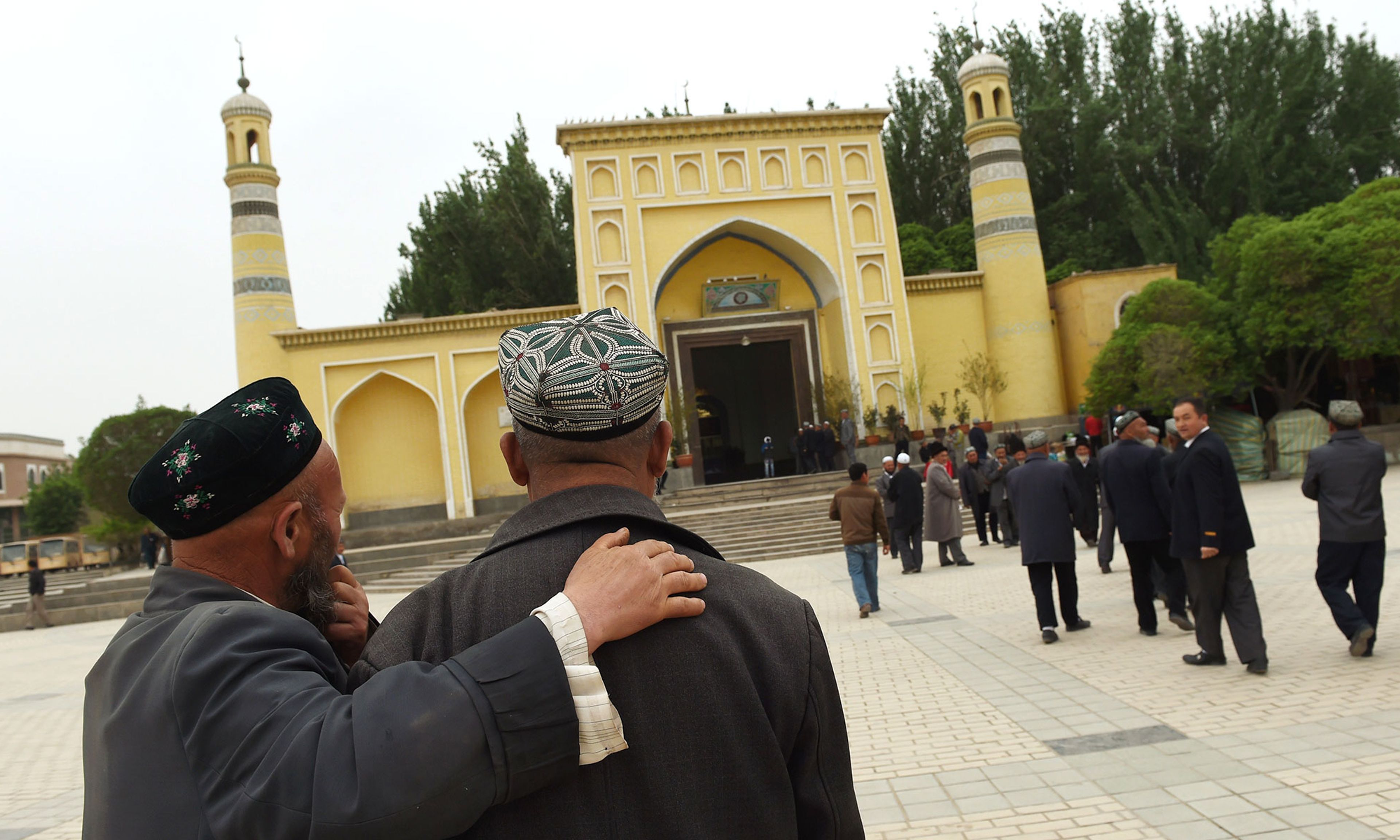
As the Muslim world celebrates Eid al-Fitr, the end of the holy month of Ramadan, now is the time to contrast the opportunities that Islamic men and women have to celebrate their faith in democratic societies with the opportunities they have to do so under communist regimes. After all, the expression of one’s religious identity, active participation in a religious community, and the right to worship are things that we typically take for granted, but that are unlawful or have resulted in fierce persecution under totalitarianism.
Communist regimes have a long and brutal history of oppressing Muslims. As communists took control in Russia, the Soviet Union moved quickly to target mosques across Central Asia, which dwindled from 26,000 in 1912 to only 1,000 in 1941. Perhaps the most infamous example of this oppression was the mass deportation and displacement of nearly a quarter million Muslim Tatars from their homes on the Crimean Peninsula in 1944. In what many governments have since labeled a genocide, Stalin’s regime forced the sick, the elderly, and the young alike into closed cattle cars, leading to the deaths of tens of thousands.




Comments