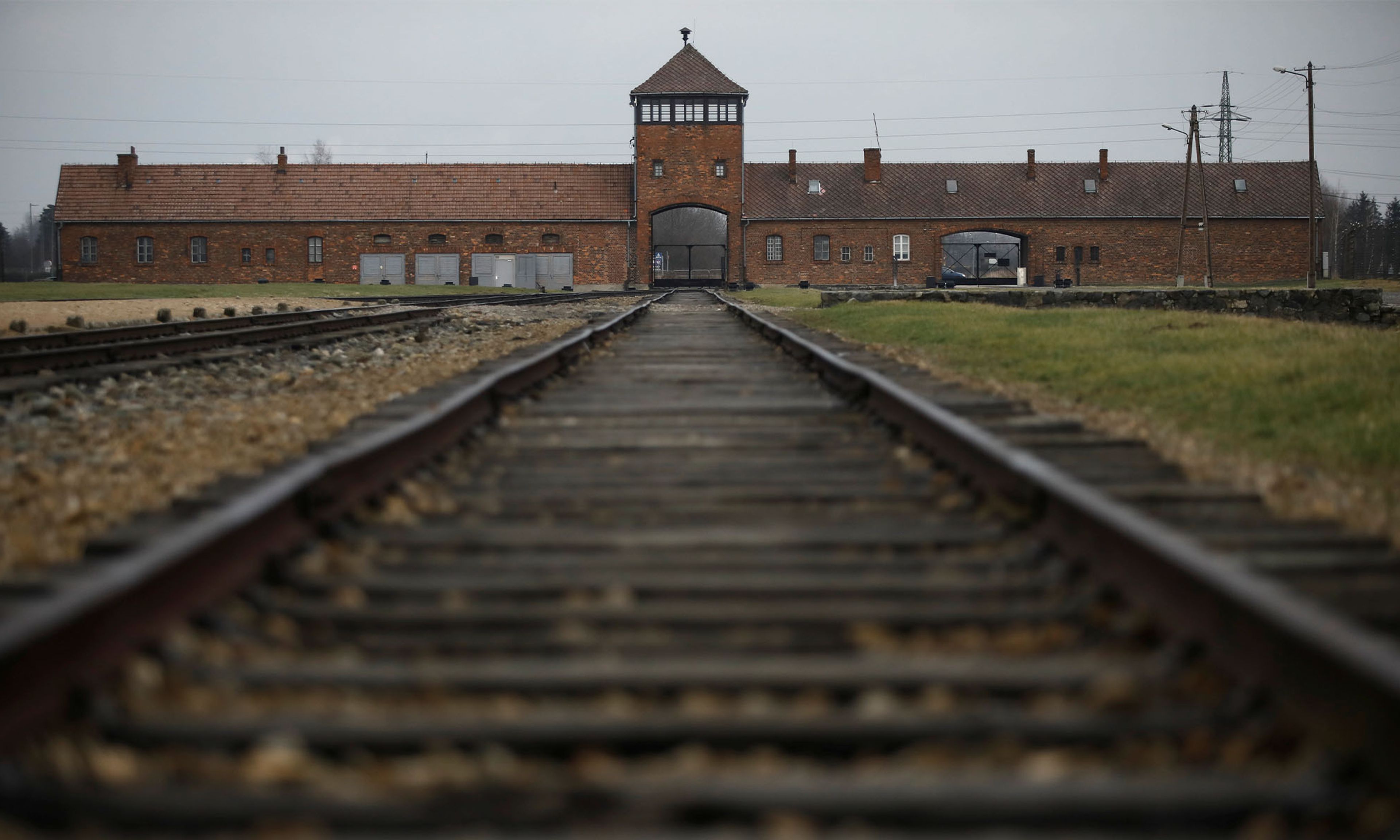
If there were to be only one symbol of the Holocaust, it would be of a concentration camp dedicated solely to industrialized killing. A total of 2.7 million Jews were murdered at Belzec, Sobibor, Treblinka, Chelmno, and, within the Auschwitz complex, Birkenau. The extermination camps were the logical endpoint of Nazi genocide, a “solution” that was not only final but also efficient and, to a degree, out of sight.
Up to another million Jews perished behind the walls and barbed wire of other camps or ghettos, and millions more were slaughtered where they lived, often in plain view, murdered in — or, more likely, just outside — the villages, towns, and cities of the east. They were butchered by the SS, by the Wehrmacht (taking a break from that “clean war” of theirs), by the Einsatzgruppen, by the police battalions (such as the “ordinary men” described by Christopher Browning in his book of the same name), and by foreign auxiliaries.





Comments