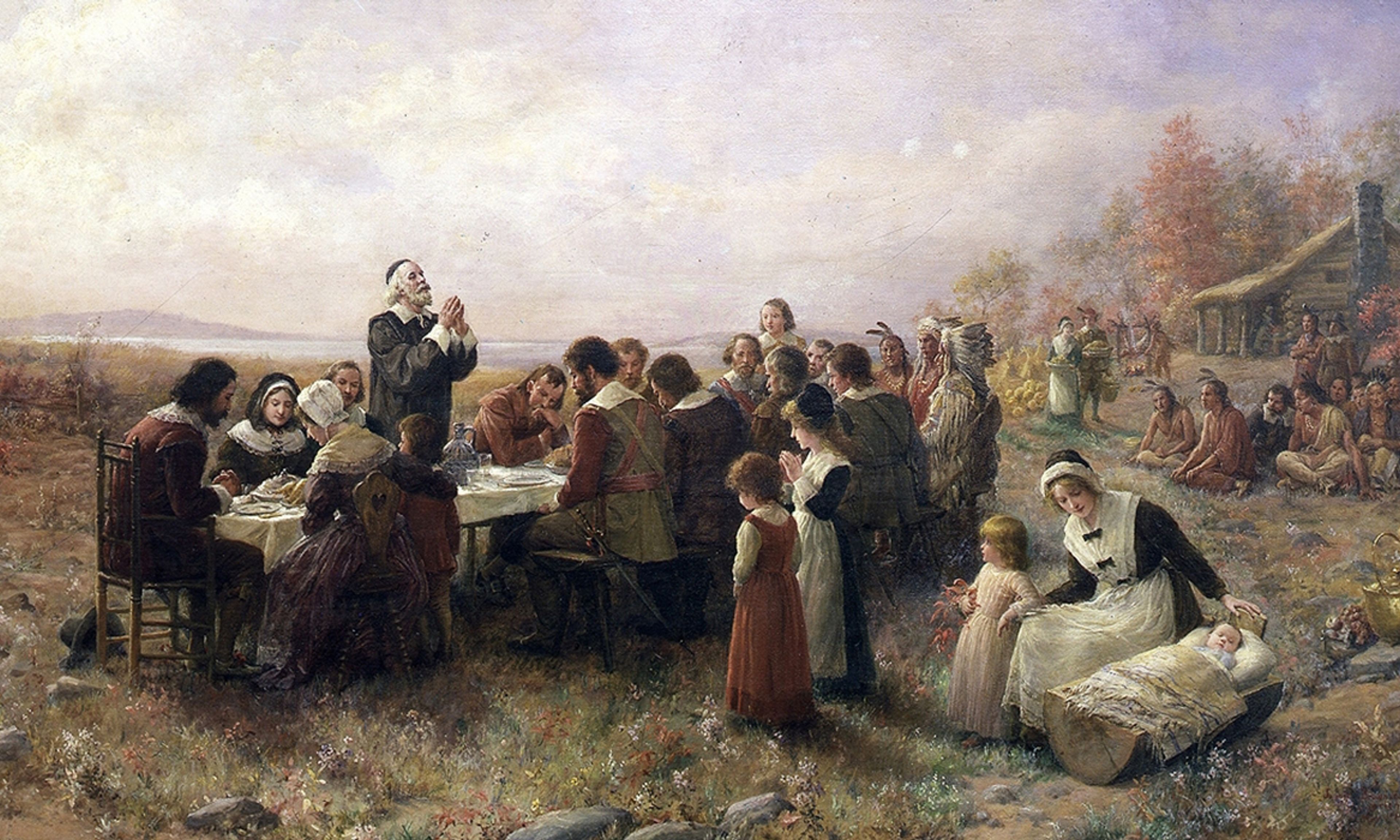
After the armistice that ended the First World War, the hungry and weary citizens of Chateau Thierry, France, slowly began to rebuild their town. Amid the devastation and suffering, they nonetheless took time to write a memorandum for the American people. Chateau Thierry sent the message as a “testimony to the gratitude and fraternal sympathy” they felt for the “great republic” and for its soldiers who had liberated them. Amid ruin and meager material possessions, one small French town felt gratitude for a republic 3,000 miles away, which most of them never had and never would visit.
Gratitude for the United States is hard to come by these days. Intellectually, it’s quite en vogue in fact to argue that the United States is a particularly pernicious polity. As various original sins are presented as the foundations for the American republic, it’s not hard to understand how Americans, particularly younger Americans, might think the world would have been better off had the union never existed. But gratitude and thanksgiving for the United States and constitutional liberty have been important aspects of American civil, cultural, and social life since the beginning of the republic.





Comments