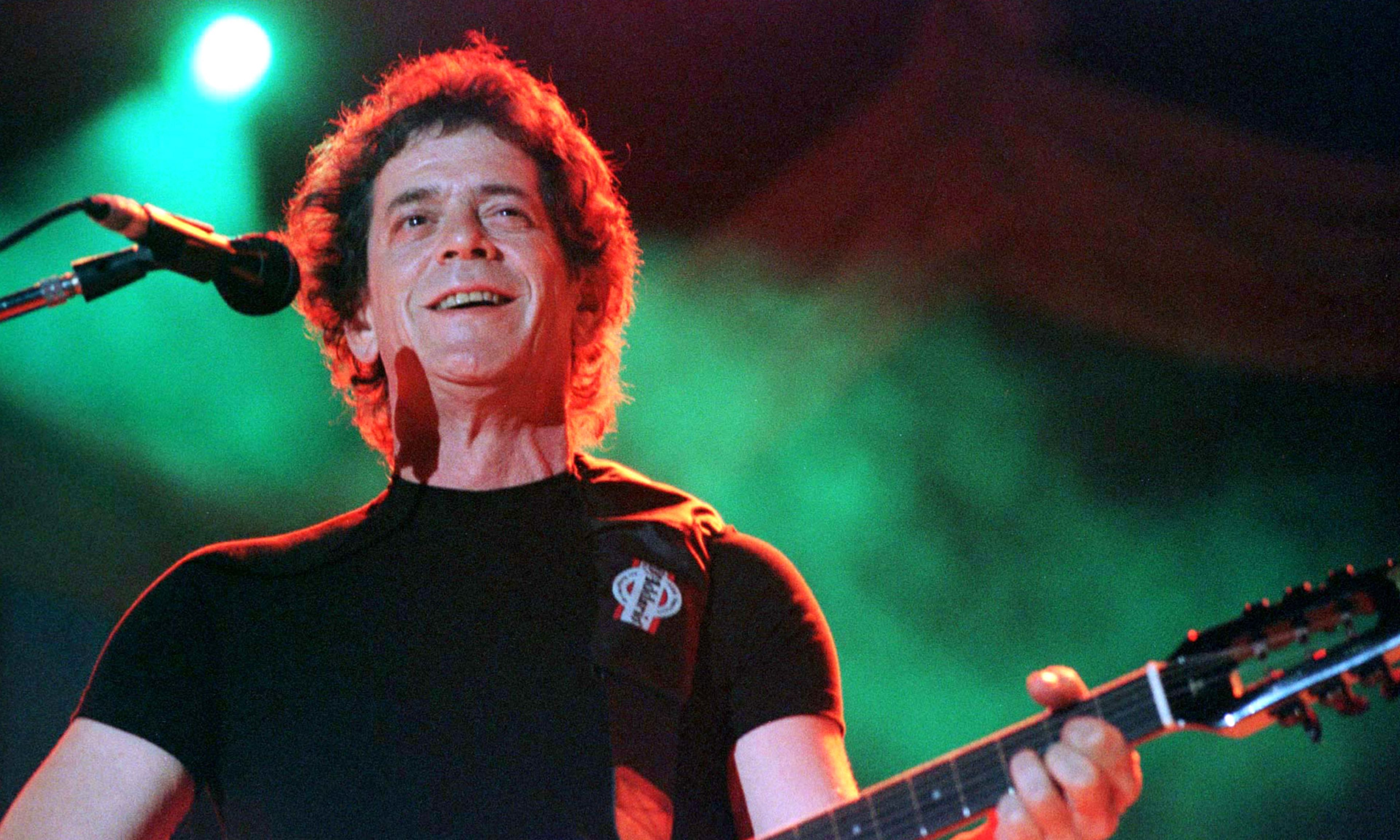
If you can remember the 1960s, goes that quote with many authors, you really weren’t there. I was about six when the Sixties properly got going and living somewhere where the last person to truly swing had botched a rebellion against a Tudor. So sadly, I remember those Sixties pretty well, a distant party glimpsed mainly on the telly, colorful, whimsical, and saturated with bright, shiny music — coffee-flavored kisses at Clarksville station, love is all you need, gentle people with flowers in their hair.
That was the Velvet Underground doing their best worst in The Black Angel’s Death Song, a torrent of words, melody, and screeching electric viola that, played once too often before puzzled audiences in Greenwich Village’s Café Bizarre, brought an abrupt end to their stint there in December of 1965. The Velvets had started taking shape the year before, but after the departure of their first drummer, an eccentric who later came to an unsatisfactory end in Nepal, assumed the form (Lou Reed, John Cale, Sterling Morrison, and Moe Tucker) in which, with one brief, spectacular addition, they ultimately entered rock legend. The band’s name was stolen from the title of an, uh, investigative paperback (“a documentary on the sexual corruption of our age”) found on the sidewalk or — pick your myth — the gutter. Another early song, inspired by a book by Leopold von Sacher-Masoch (yes, that Masoch), was a further sign that the Velvets were not headed for Main Street, Pleasant Valley, or Penny Lane.



Comments