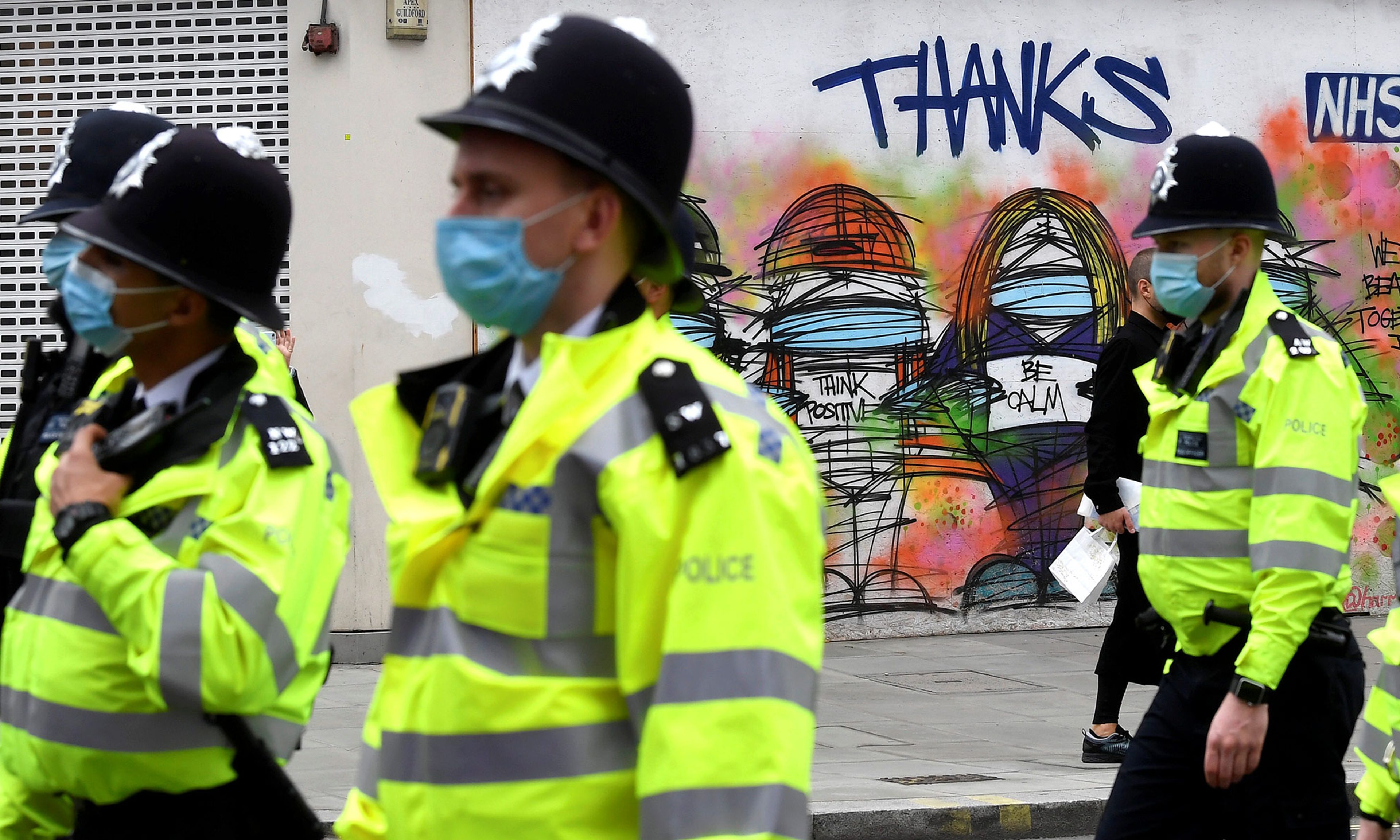
From Magna Carta (1215), to the Great Reform Bill (1832), and beyond, the British constitution — unlike its American counterpart — has not been secure and considered, but reactive and malleable. Yet throughout Britain’s turbulent history, the state has never “exercised coercive powers over its citizens” on such a scale as it has in response to the 2020 coronavirus pandemic. At least, that is the view of the historian and former U.K. supreme court justice, Jonathan Sumption, one of the most learned scholars and outspoken critics of his country’s coronavirus response.
In the Cambridge Freshfields annual law lecture late last month, Sumption explained exactly how Boris Johnson’s conservative government set about its “remarkable departure from our liberal traditions,” “surrendering basic freedoms which are fundamental to our existence” and allowing healthy and law-abiding citizens to be placed under house arrest. Sumption explained how this hasty legislation had essentially brought about “government by executive decree,” enforced by a police state.





Comments