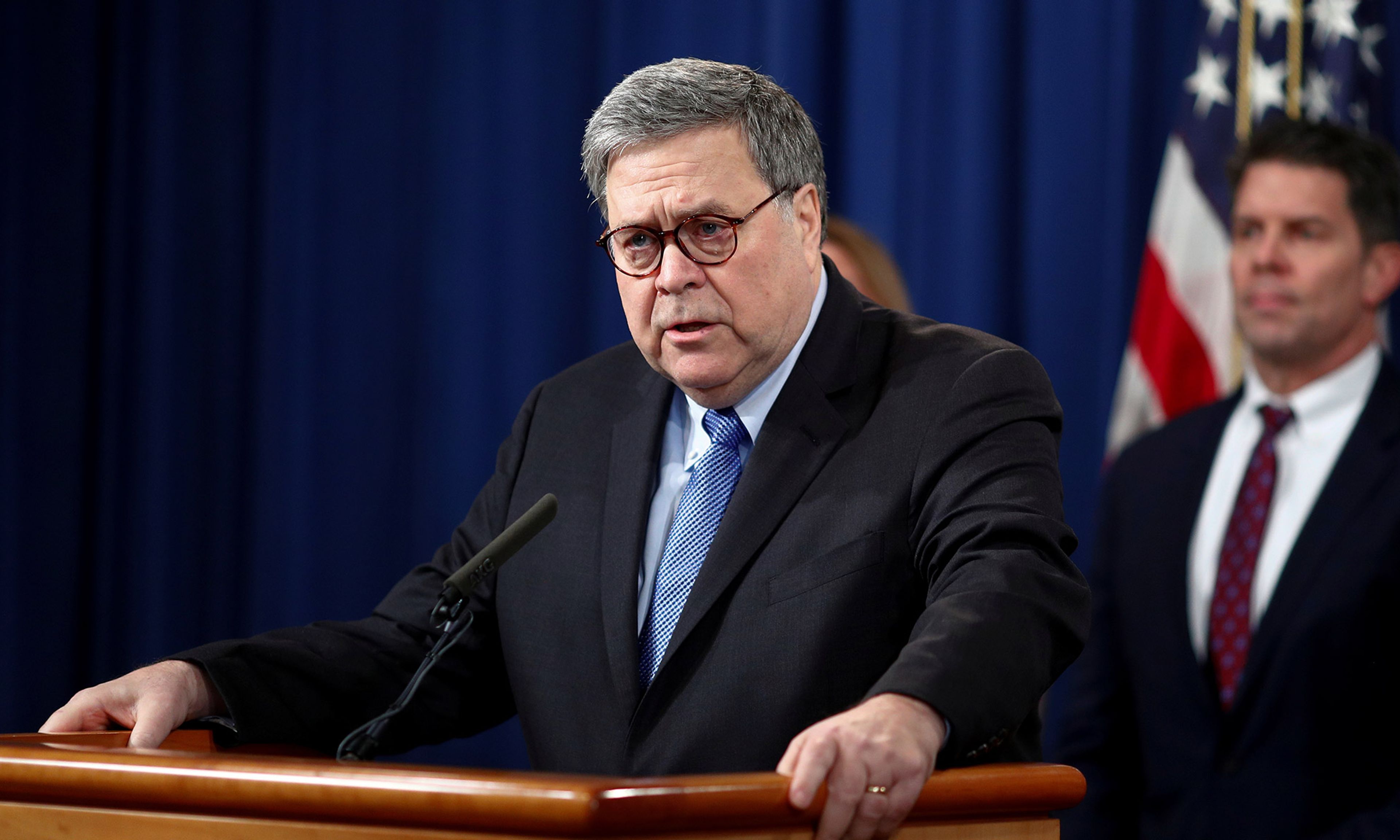
The Justice Department has concluded that the deadly mass-shooting attack at Naval Air Station Pensacola in early December, carried out by a Saudi Air Force trainee, was an act of terrorism. Though Lieutenant Mohamed Saeed al-Shamrani, who was killed during the attack, was determined to have acted alone, the United States is expelling 21 other Saudi military trainees after the FBI’s investigation uncovered jihadist rhetoric and child pornography on their social-media accounts.
Attorney General Bill Barr announced the terrorism finding and the expulsions at a Justice Department press conference on Monday afternoon. The attorney general’s remarks demonstrate that longstanding national-security challenges continue to vex U.S. law-enforcement officials. Most significant is the problem of vetting foreigners, including the thousands of foreigners enrolled in training programs run by our armed forces, for anti-American ideology.





Comments