‘Love is love.” “Science is science.” Homes and offices in Washington, D.C., must display every politically correct lawn sign there is. Around the corner from St. Matthew’s Cathedral, a full-size mural painted on a building declares that not only do “Black Lives Matter,” but “Black Trans Lives Matter.” Who decides these things? According to the Good Book, the Declaration of Independence, the U.S. Constitution, the Bill of Rights, and the Universal Declaration on Human Rights, to name a few, all lives matter. So why are we identifying some of the vulnerable for protection but not others? Could it be because we are trying to find meaning? Could it be because we need religion, and these lawn signs and murals give a sense of belonging? And could it be that “Love is love” and “Science is science” is pure ideology that doesn’t mean what it purports to?
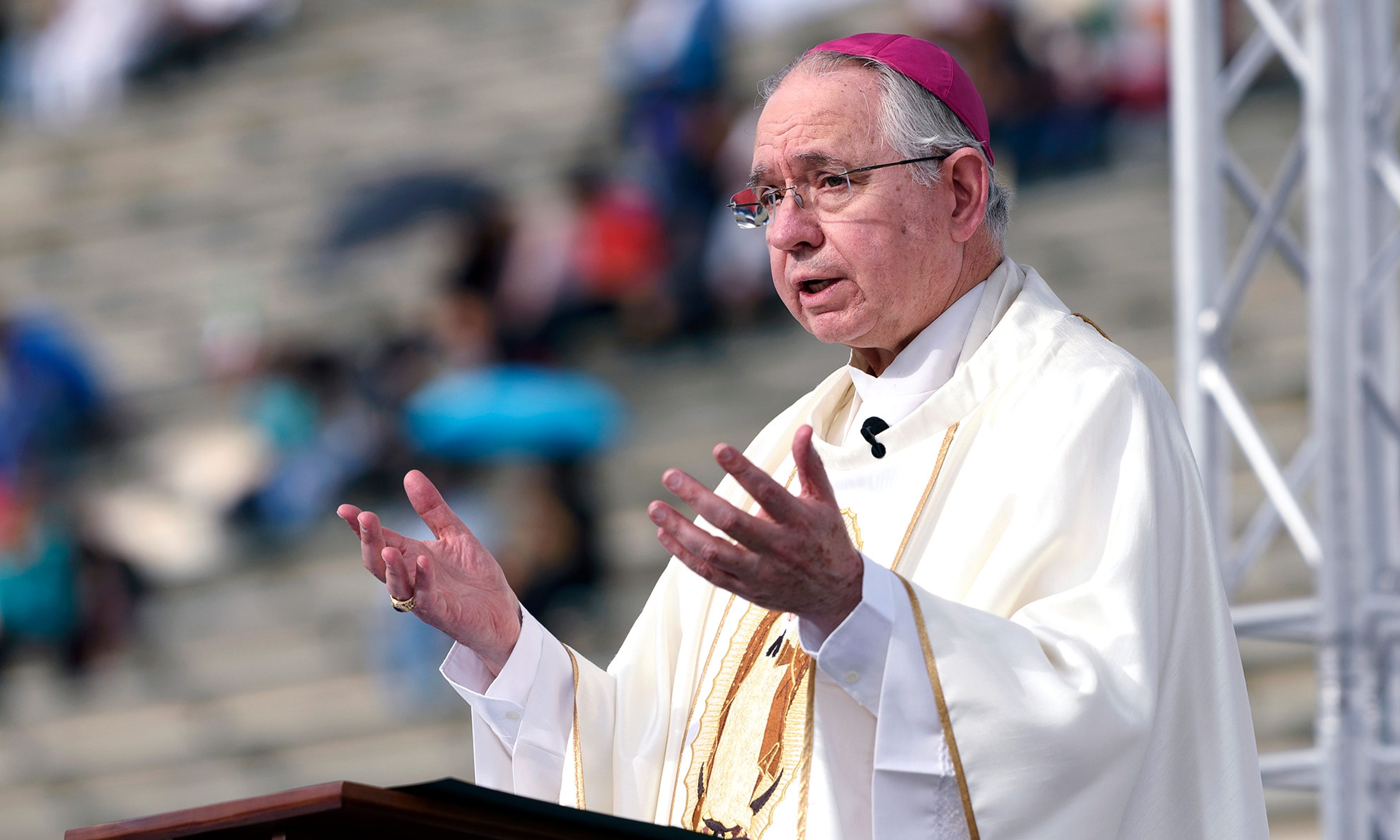
This was the gist of remarks made by Los Angeles Archbishop José Gomez in a recent talk at a conference in Madrid. He was asked to speak about some of the movements that seem to be playing a role that religion might otherwise play — “social justice,” “wokeness,” “identity politics,” “intersectionality.” To understand them as pseudo-religions is the only way to fully grasp what we’re dealing with, but they are drawing so many young people and others in. They are “replacements and rivals to traditional religious belief,” he said. In seeking to replace traditional religion, he posits that this is the woke “salvation story”:


Comments