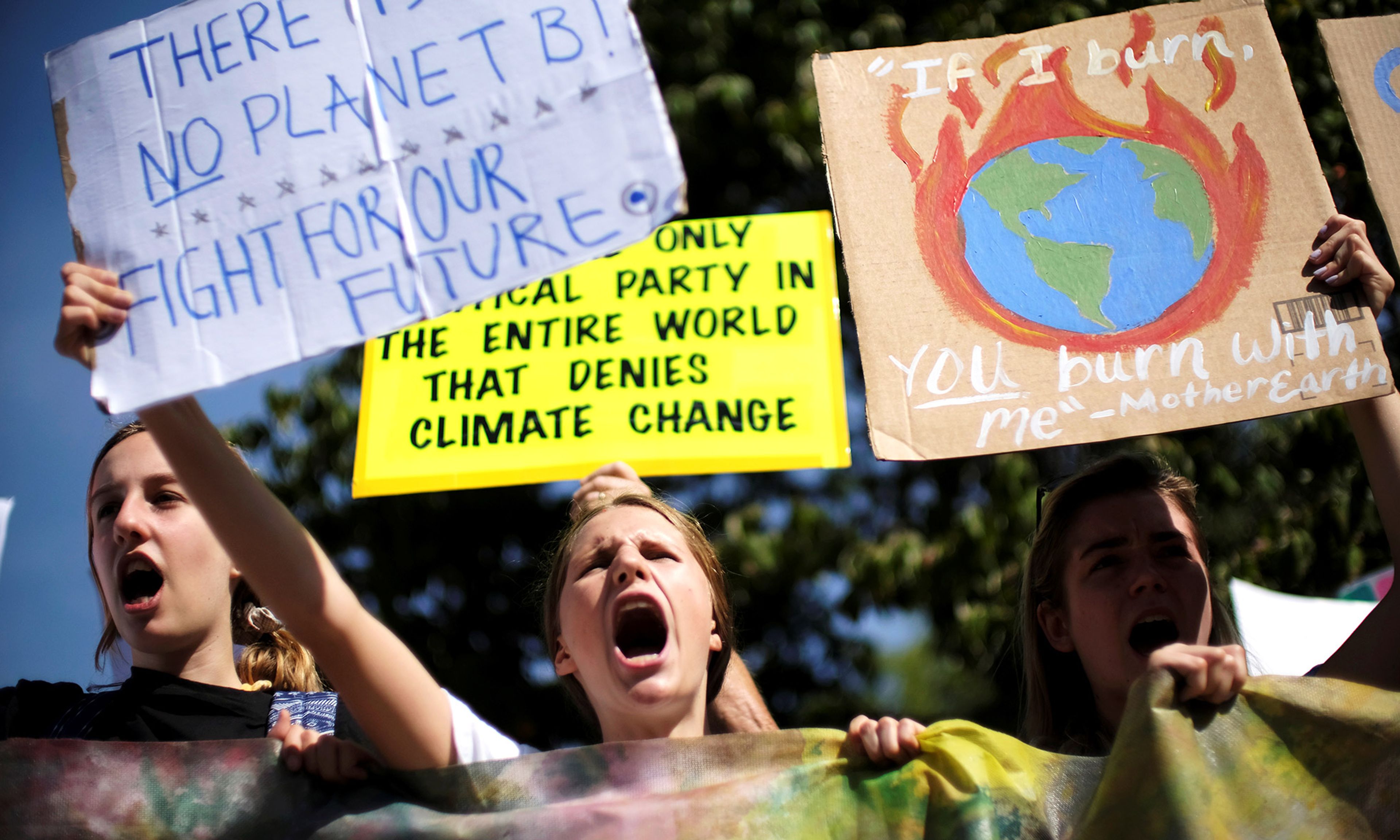
A recent widely cited study on how global warming is driving wildfires intentionally skewed its findings to fit the narrative on climate change with the goal of getting published in a prestigious journal. Don’t take my word for it: Listen to the scientist who authored it. “I just got published in Nature because I stuck to a narrative I knew the editors would like,” Patrick Brown, a climate scientist at the Breakthrough Institute, wrote in the Free Press. “That’s not the way science should work.”
When published, Brown’s research received blockbuster coverage from the Associated Press, PBS, the New York Times, and Bloomberg. These outlets often used the research to link the devastating Maui wildfires to global warming. There’s a problem with that narrative, however, the scientist behind the research admits.




Comments