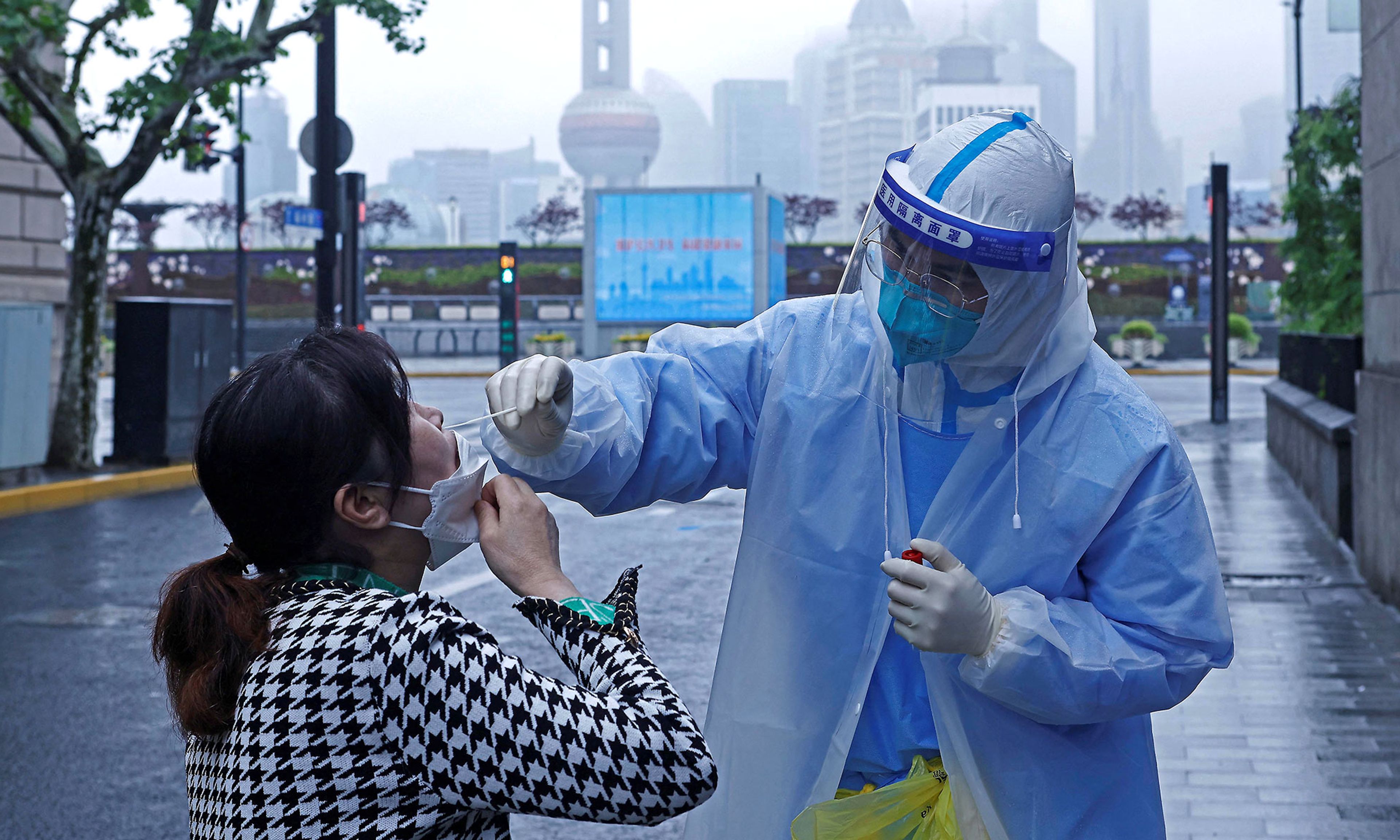
Shanghai has long been regarded as the most civilized city in China. The municipality’s GDP per capita ranks first in the country, and, until recently, the Shanghainese people have been rightfully proud of their high levels of sophistication and modernity. But not anymore. Since March, the city has fallen into chaos, with many residents living in misery and struggling for access to food and other basic resources, as they try to survive under Xi Jinping’s “zero-Covid” policy.
The new wave of infections from the Omicron variant of SARS-CoV-2 has been far less deadly than the original outbreak in Wuhan. Chinese authorities reported no Covid deaths, and only nine people who tested positive were reportedly in serious condition. The overwhelming majority of infections between March 1 and April 12 were asymptomatic. Epidemiologists and other pandemic experts — including Dr. Wenhong Zhang, who leads Shanghai’s Covid task force — have pleaded with central authorities not to impose a lockdown or other draconian measures but to accept the reality of coexistence between humans and the virus. China’s central government, insisting that the number of Covid be zero, has plunged Shanghai into a man-made disaster.



Comments