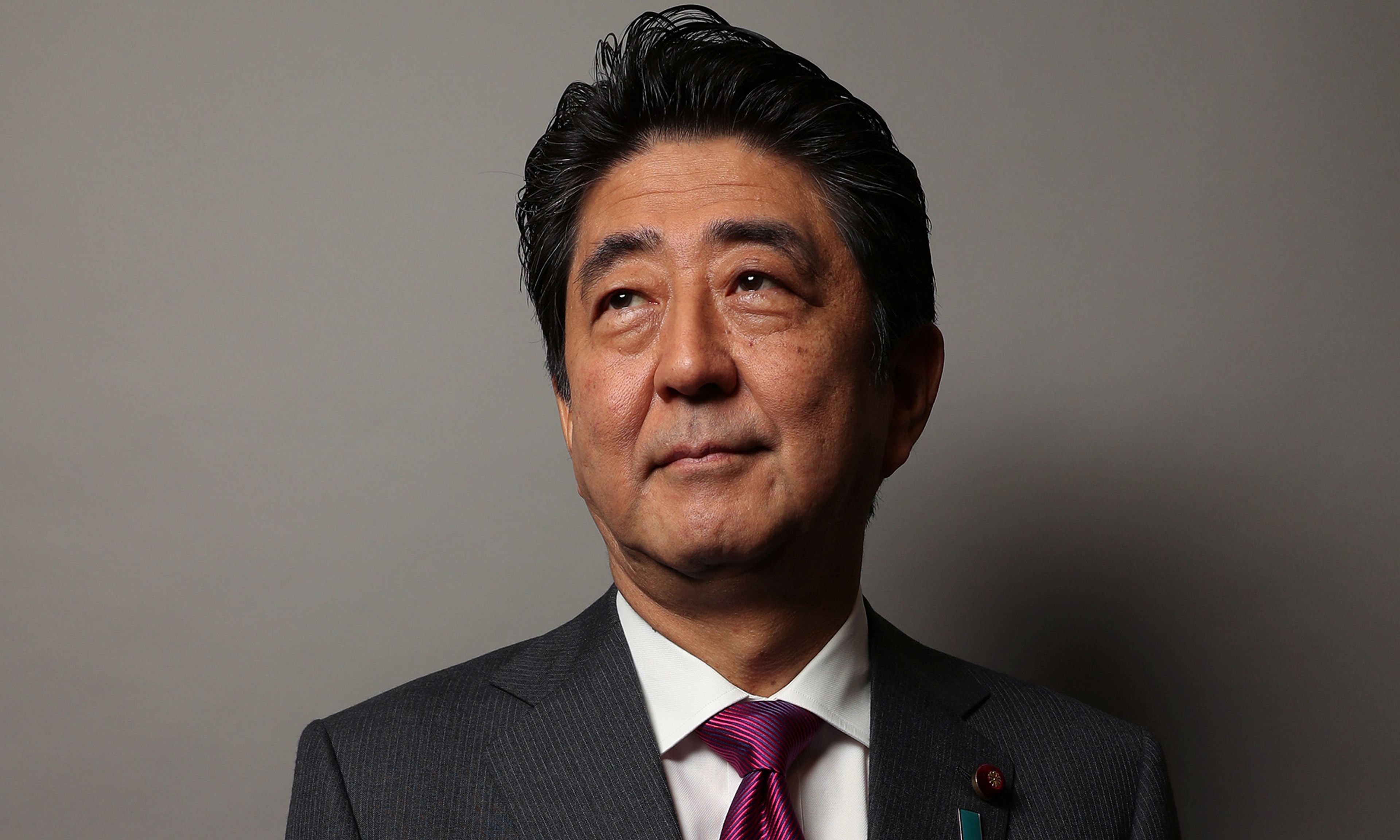
My personal memories of Shinzo Abe, who was just assassinated, center on meetings at his office to discuss U.S.–Japan relations, and his gracious conversation with me when he spoke at the dedication of the new Hudson Institute building on Pennsylvania Avenue in 2016. The close relationship between Abe and Hudson really got under way after his first disastrous sally as prime minister in 2006–7, when everyone in Japan thought his political career was over. But my colleagues Ken Weinstein and Lewis Libby kept the relationship going through Abe’s Wilderness Years, until his triumphant return to office in 2012 — a display of loyalty, and the belief that he represented the future of Japanese politics, that earned his loyalty and trust in return.
I was in many ways the beneficiary of that trust, with the keen interest he took in my work on defense trade cooperation between the U.S. and Japan. Because Abe understood that what I called the “special relationship” between the U.S. and Japan — a term that pleased him — closely paralleled the more famous one between the U.S. and the U.K. Except in Japan’s case, this was a historic alliance not built on a common language or shared cultural heritage, but on a shared strategic vision of the role both countries needed to play in promoting democracy as well as security across the Indo-Pacific region, especially in the face of a growing threat to both from China.



Comments