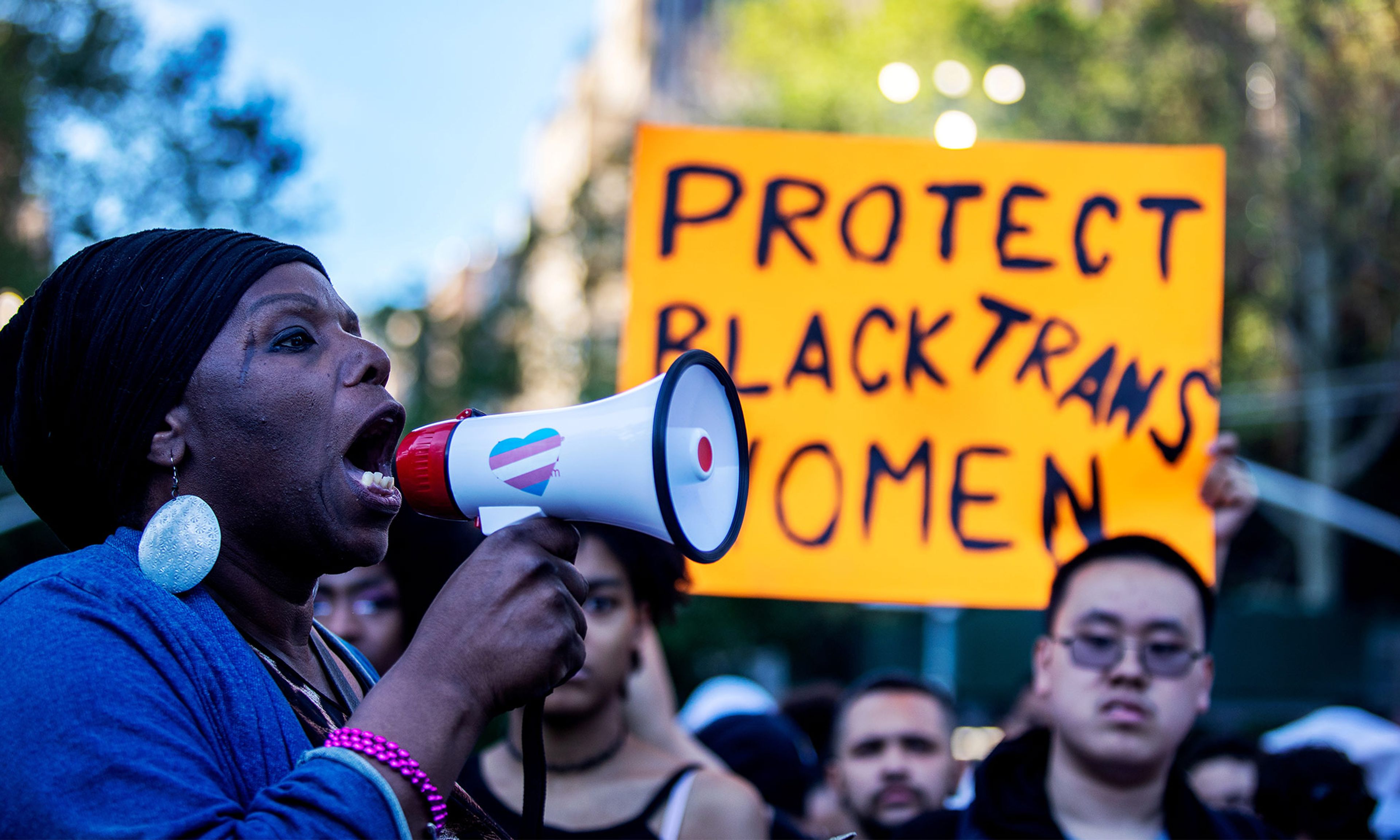
Language has power because words have meaning. The ability to communicate meaning from one person to another is the purpose of language; more than anything else, it is what separates humans from the rest of the animal kingdom. In politics, communicating meaning is essential to persuasion, to the building of coalitions, and to the defeat of error and wickedness.
One of the most effective ways to prevent criticism of an idea is to deprive people of the language in which to name it. Political propagandists understand this, which is why they are now objecting so loudly to terms such as “critical race theory,” “woke,” “identity politics,” and “cancel culture.” The point is not that these terms are imprecise in what they mean — they can be, as are many other terms in common use in American political discourse. The point is precisely that they are understood to have a distinct meaning. The propagandists of wokeness want to prevent that meaning from being communicated among ordinary citizens who have long lacked the words in which to express things they see and know to be wrong.


Comments