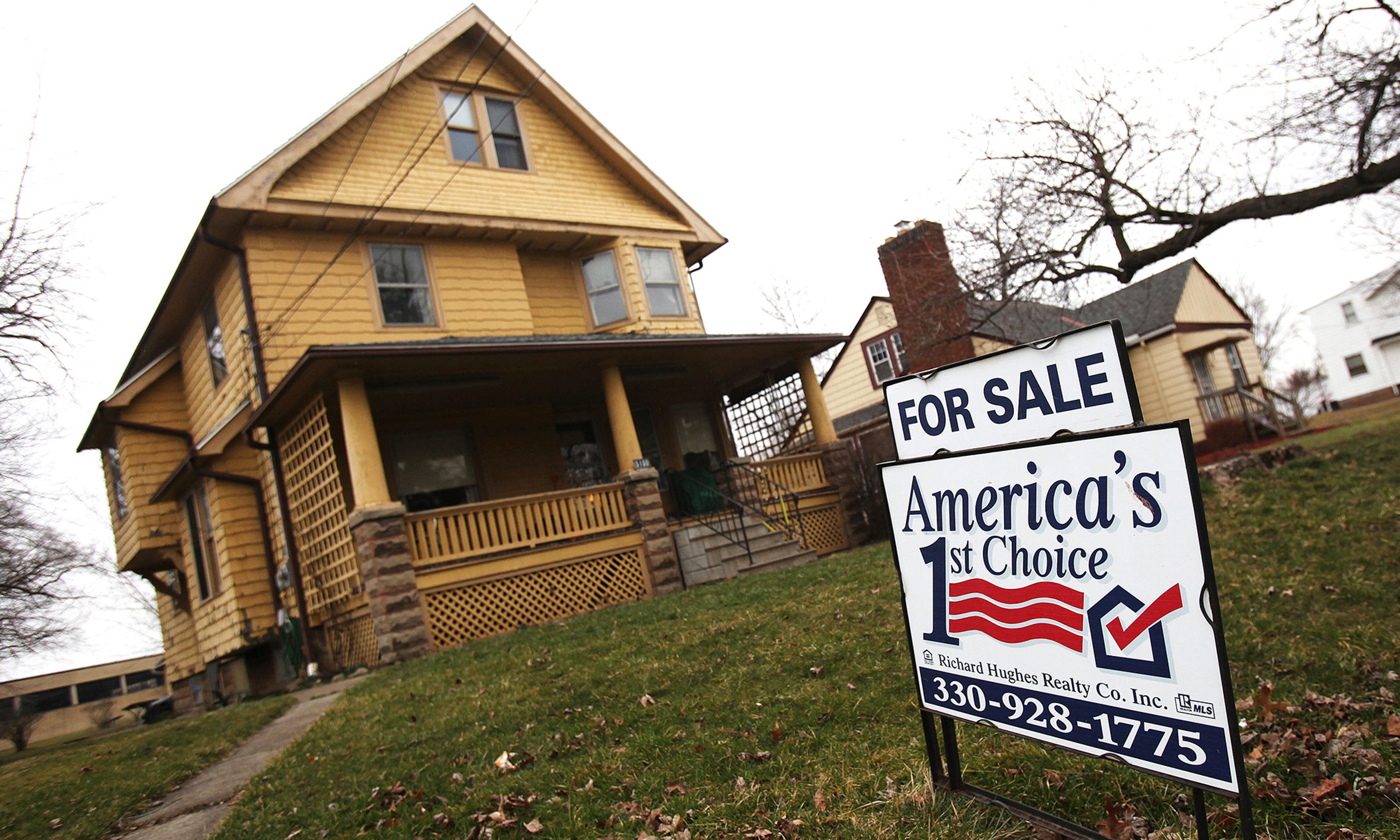
Even though the legend of Robin Hood is 800 years old, some modern local governments haven’t gotten the message that the Sheriff of Nottingham — who stole from the poor via oppressive and exorbitant taxes — was the bad guy. In fact, some local governments today have even taken theft a step further, seizing property and pocketing home equity when citizens fail to pay small property-tax bills.
Take the case of Geraldine Tyler, age 94. Tyler owned a condominium in Hennepin County, Minn. Owing to health and safety concerns, she moved to a senior-living apartment when she was 80. After missing property-tax payments on the condo, she ended up owing $2,300 in taxes and $12,700 in fees and penalties for those unpaid taxes. Hennepin County initiated a tax foreclosure and sold the condo for $40,000. But instead of taking only the $15,000 that Tyler owed and letting her keep the rest of her equity, the county pocketed the remaining $25,000, too.




Comments