It is an insult to the intelligence of our elderly to assure them that their Medicare benefits are not being cut while limiting the services these benefits can buy and decreasing reimbursements to the doctors and hospitals that provide those services.
Yet this is exactly what the president and Congress now have in mind. The cuts proposed in the current budget deal will make Medicare patients less profitable for doctors, who will run, leaving patients holding Medicare cards that don’t buy them access to health care.
Even before Obamacare began to muddy the playing field, to say nothing of the proposed cuts, an AMA survey revealed that 17 percent of physicians were already restricting the number of Medicare patients they saw. They did this because the rates that Medicare paid for office visits were frozen, even as doctors’ office operating expenses rose by more than 20 percent over the past decade.
So, doctors can ill afford the 2 percent cuts to Medicare-service providers that, under the current deficit-reduction plan, will automatically kick in if Congress doesn’t enact at least $1.2 trillion in deficit reduction by next January.
And the 2 percent cuts are only part of the problem. There is also the so-called “doc fix,” which keeps Medicare payments from being cut dramatically and has been passed every year since 2002. This is necessary because, under the Balanced Budget Act of 1997, whenever medical costs rise beyond the “Sustainable Growth Rate” (which is based on GDP growth), Medicare payments to doctors — perversely — get cut.
Needless to say, medical costs have grown a lot in the last decade. By next January, we doctors will be facing a 29 percent cut in reimbursements unless the doc fix continues to be extended. But a doc-fix extension could count against the currently proposed deal’s deficit-reduction requirements unless a separate deal is made. Few physicians who see mainly Medicare patients will be able to afford to stay in business with almost a third less income per patient.
As more than 70 million Baby Boomers become eligible for Medicare over the next 15 years, they will have a hard time finding a doctor to take care of them or a hospital to provide the services they need.
Of course, with Medicare payments zooming out of control, something clearly needs to be done. The CBO estimates that gross Medicare spending will rise from $528 billion in 2010 to $735 billion in 2015, to over a trillion dollars by 2020.
But cuts to providers are hardly the answer. The Medicare Payment Advisory Commission recently determined that over 28 percent of patients seeking a new Medicare primary-care provider were unable to find one. This number will surely skyrocket as payments to providers are cut to the bone and the new Independent Payment Advisory Board slashes services, making it more difficult for doctors to order certain tests and treatments.
The problem with Medicare isn’t that it pays doctors too much, and it isn’t that it covers too many kinds of tests and treatments. These services are expensive, to be sure, but our elderly need them.
The problem with Medicare is that there are no disincentives for overuse, nothing to stop someone from seeing me for a common cold or a sprained ankle. Medicare can’t afford to pay for the latest technologies or to pay its physicians properly while at the same time stretching to cover every scratch or sniffle. Too many elderly patients who are not sick doctor shop, seeing specialist after specialist, receiving tests like EKGs over and over.
The only solution to this growing problem of overuse is to put brakes on the system in terms of co-pays, co-insurances, and deductibles.
Yet Obamacare does the opposite, easing access further under the mistaken notion that the more a patient sees me, the more effective I will be, no matter what condition the patient is in. An automatic trigger to cut Medicare payments to service providers by 2 percent will not solve this problem; nor will the 29 percent cut in reimbursements that is continually hanging over our heads.
As people get older and sicker, it becomes more of a challenge to take care of them. Though it is an honor to be in the position to provide this service, I also should be paid fairly for doing so.
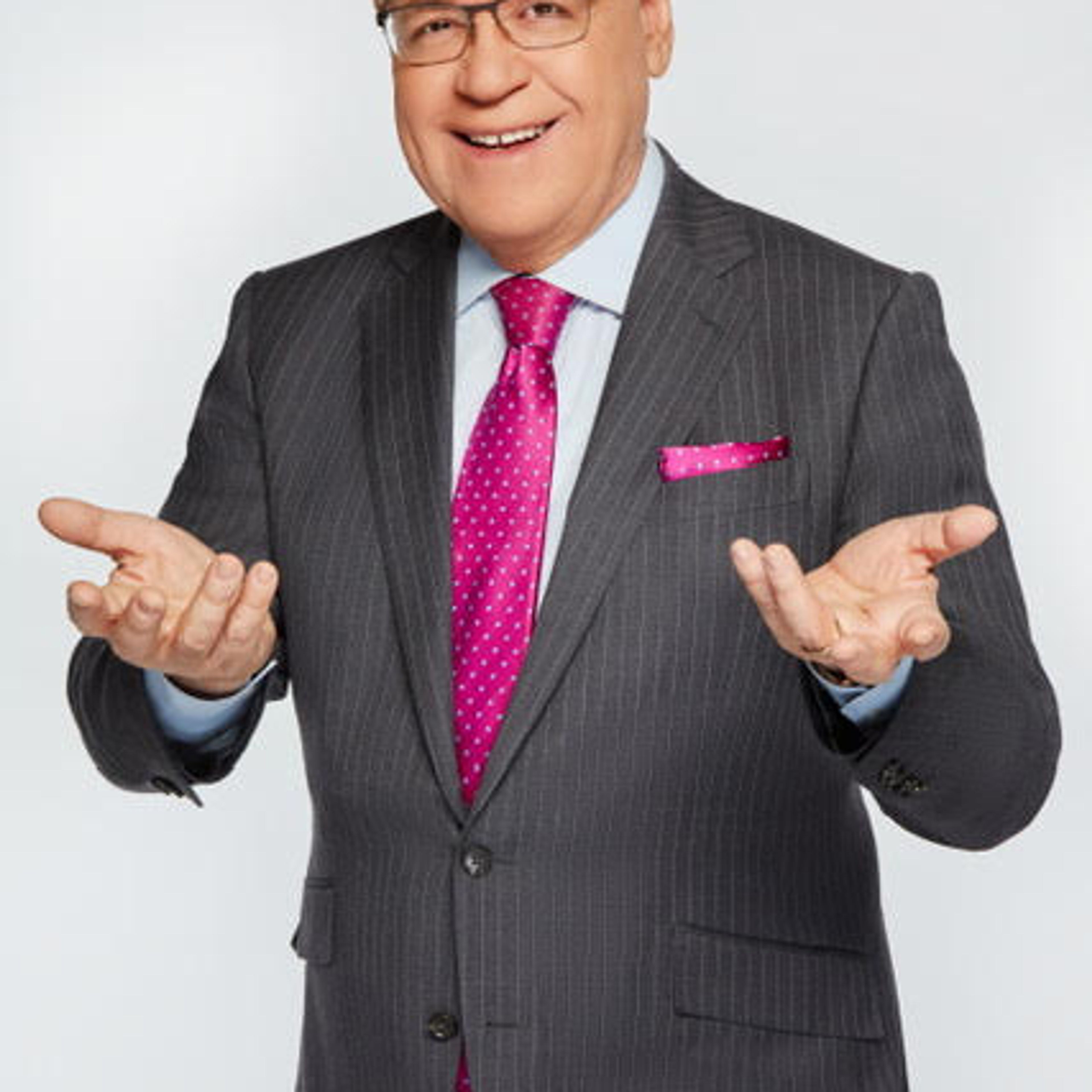
— Dr. Marc Siegel is an associate professor of medicine and medical director of Doctor Radio at NYU Langone Medical Center. He is a Fox News medical contributor and author of The Inner Pulse: Unlocking the Secret Code of Sickness and Health.





Comments