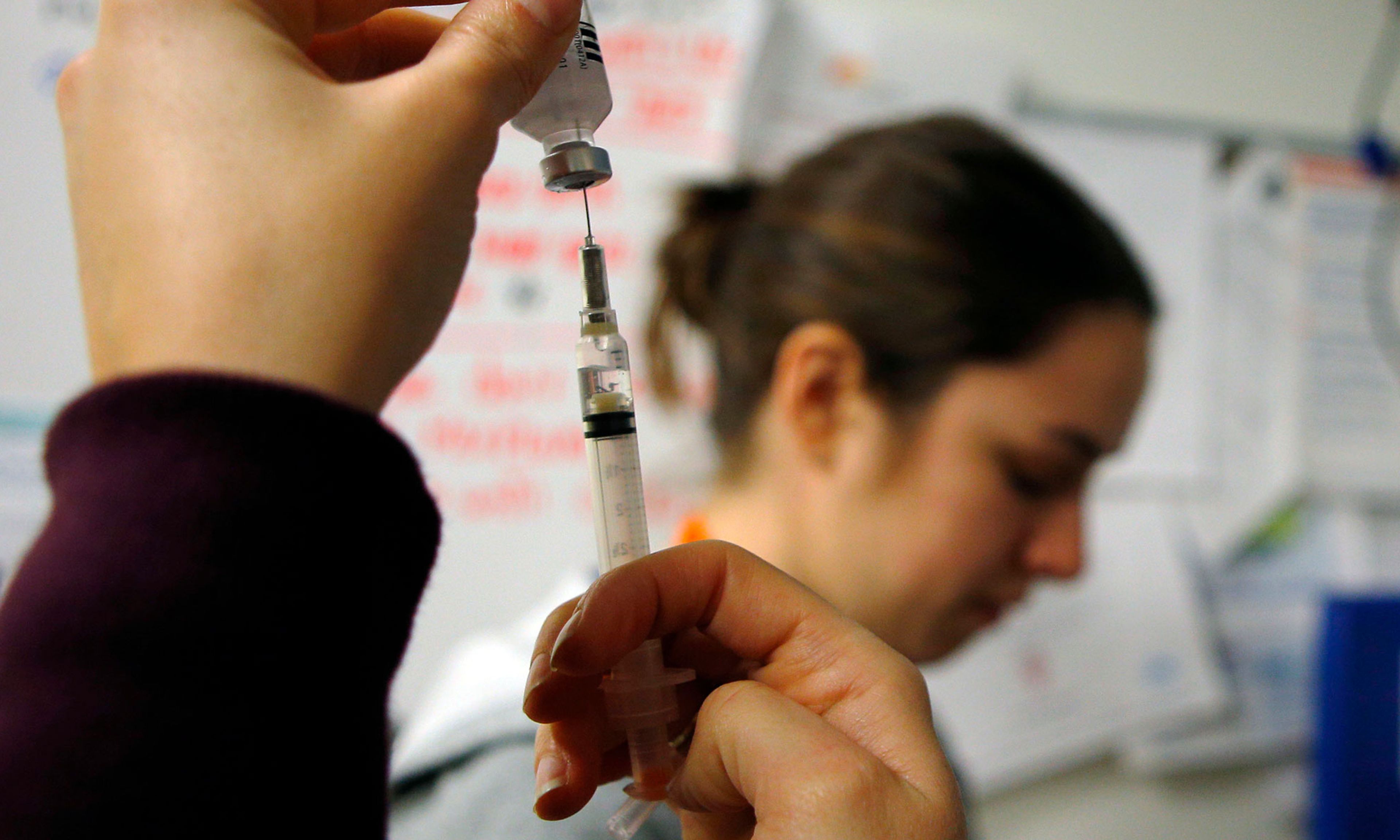
As a physician and former member of Congress, I’ve learned that the best public policies solve more than one problem at a time. The National Vaccine Injury Compensation Program (VICP) is just such a policy. The program provides fair compensation for people who experience rare but serious vaccine-related injuries, while helping ensure manufacturers can continue producing vaccines. That balance has protected patients and safeguarded public health for 40 years now.
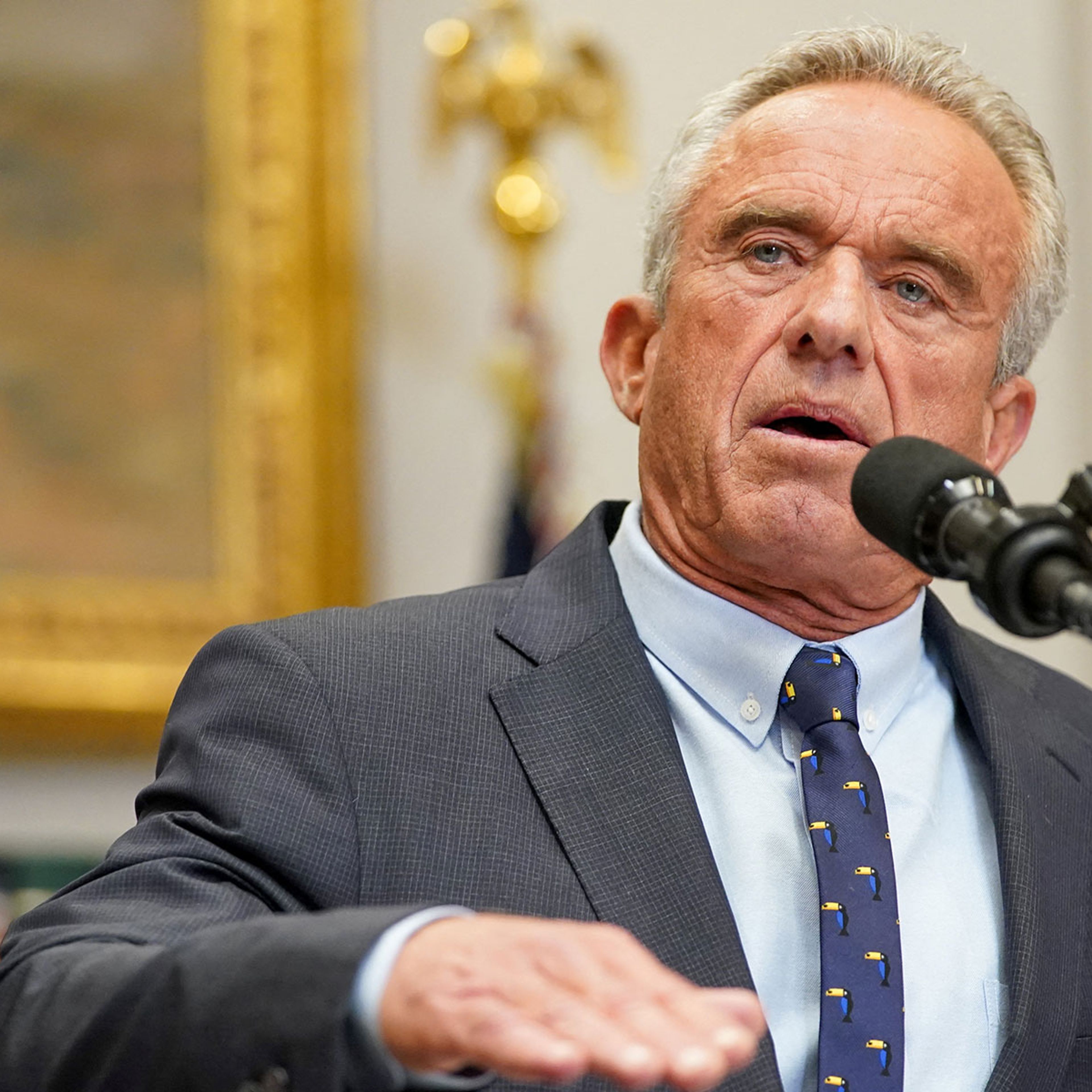
But the program is now at risk. Reports suggest that Health and Human Services Secretary Robert F. Kennedy Jr. is considering a major overhaul of the VICP. One proposal could add conditions such as autism and diabetes to the program despite extensive scientific evidence finding no causal relationship between vaccines and either condition.




Comments