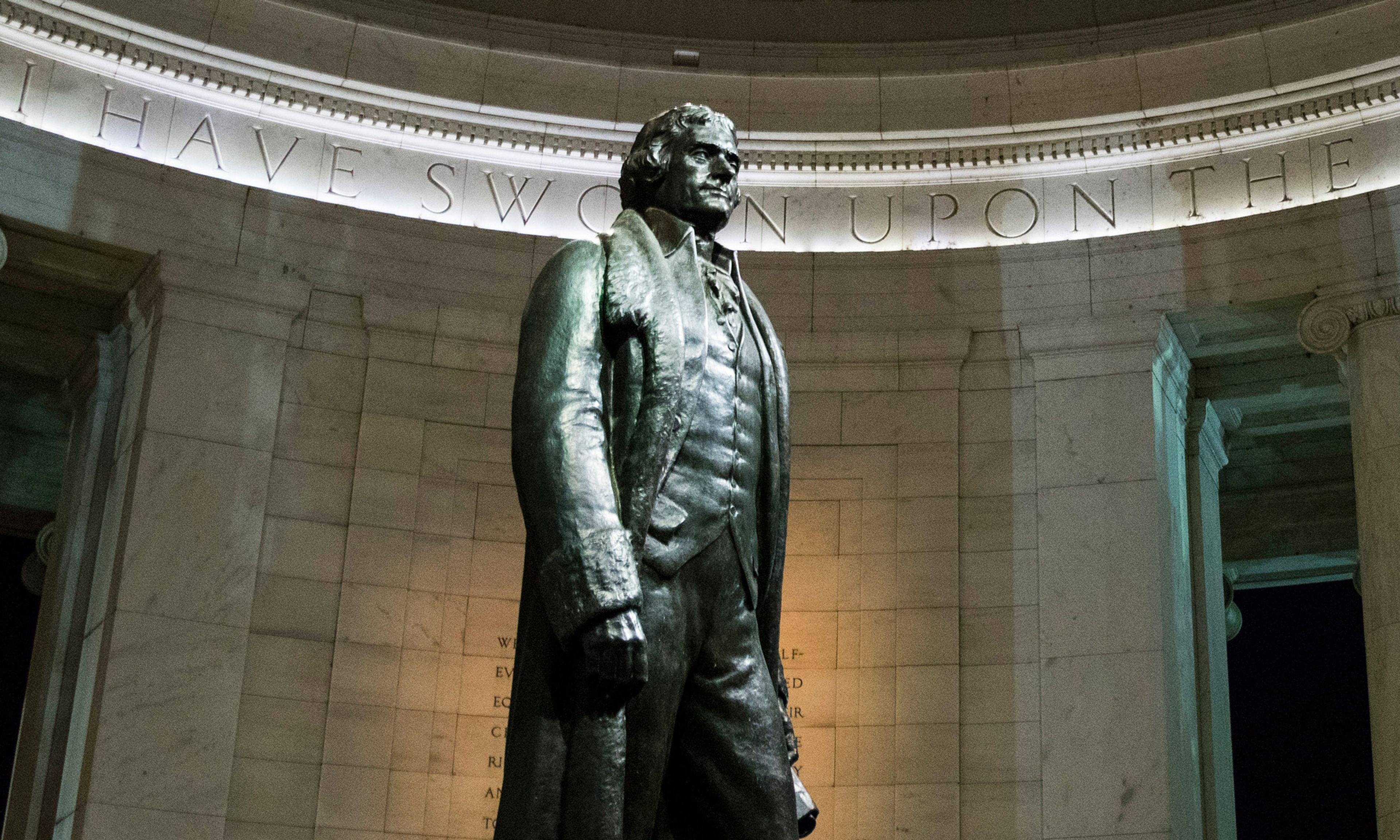
This July 4 marks the 250th anniversary of the world-changing words of the Declaration of Independence. Founding a nation on the ideas of equality, self-evident individual rights, and the just power of the government coming from the consent of the governed was new to our planet. It hasn’t been the same since.
But Thomas Jefferson wasn’t done with the Declaration. Just two years later, he drafted “A Bill for the More General Diffusion of Knowledge” in the Virginia legislature, spelling out his thoughts on the education necessary to make the republican form of government work. The preamble is worth reading in full: Jefferson spells out the need for educating the population of its rights and the lessons of history, as well as the need to cultivate virtue in its leaders, lest even a government conceived in liberty slide into tyranny.




Comments