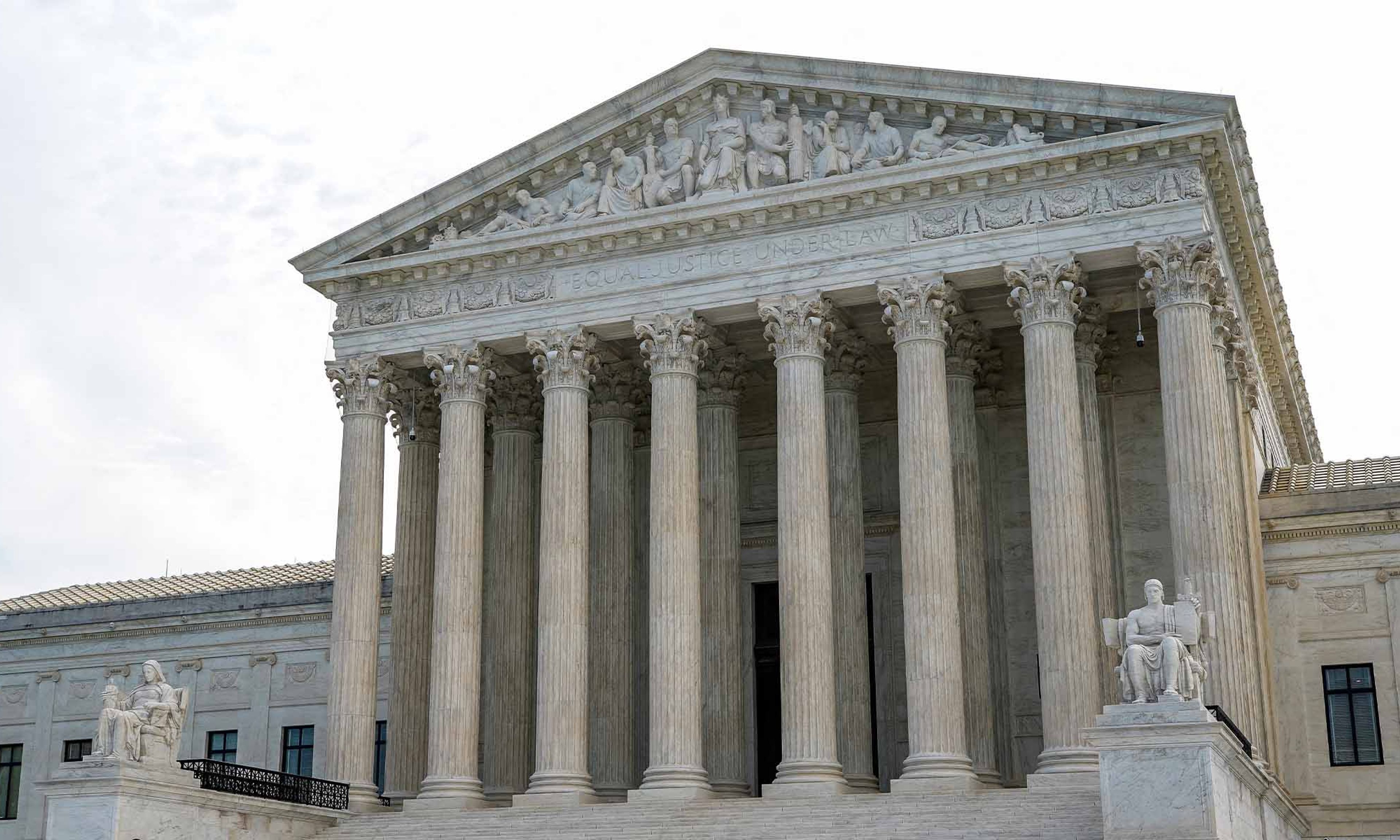
In a 6–3 vote, the Supreme Court has struck down Hawaii’s “vampire rule” as a violation of the Second and 14th Amendments to the U.S. Constitution. This was the right result, and, once again, it is a disgrace that the decision was not unanimous.
At stake was a Hawaiian statute, Act 52, that inverted the usual presumption that governs public access to generally accessible private property, but only where firearms are concerned. Prior to the passage of Act 52, Hawaiians who were able to obtain carry permits (which, before Bruen, was effectively impossible) were allowed to enter any generally accessible private space while carrying a firearm — unless the property owner explicitly signaled otherwise. After Act 52, Hawaiians with carry permits were allowed to enter any generally accessible private space while carrying a firearm only if the property had signaled that it was acceptable. (Gothic lore holds that vampires must be explicitly invited to enter one’s home before they may cross the threshold. Hence: “vampire rule.”)





Comments