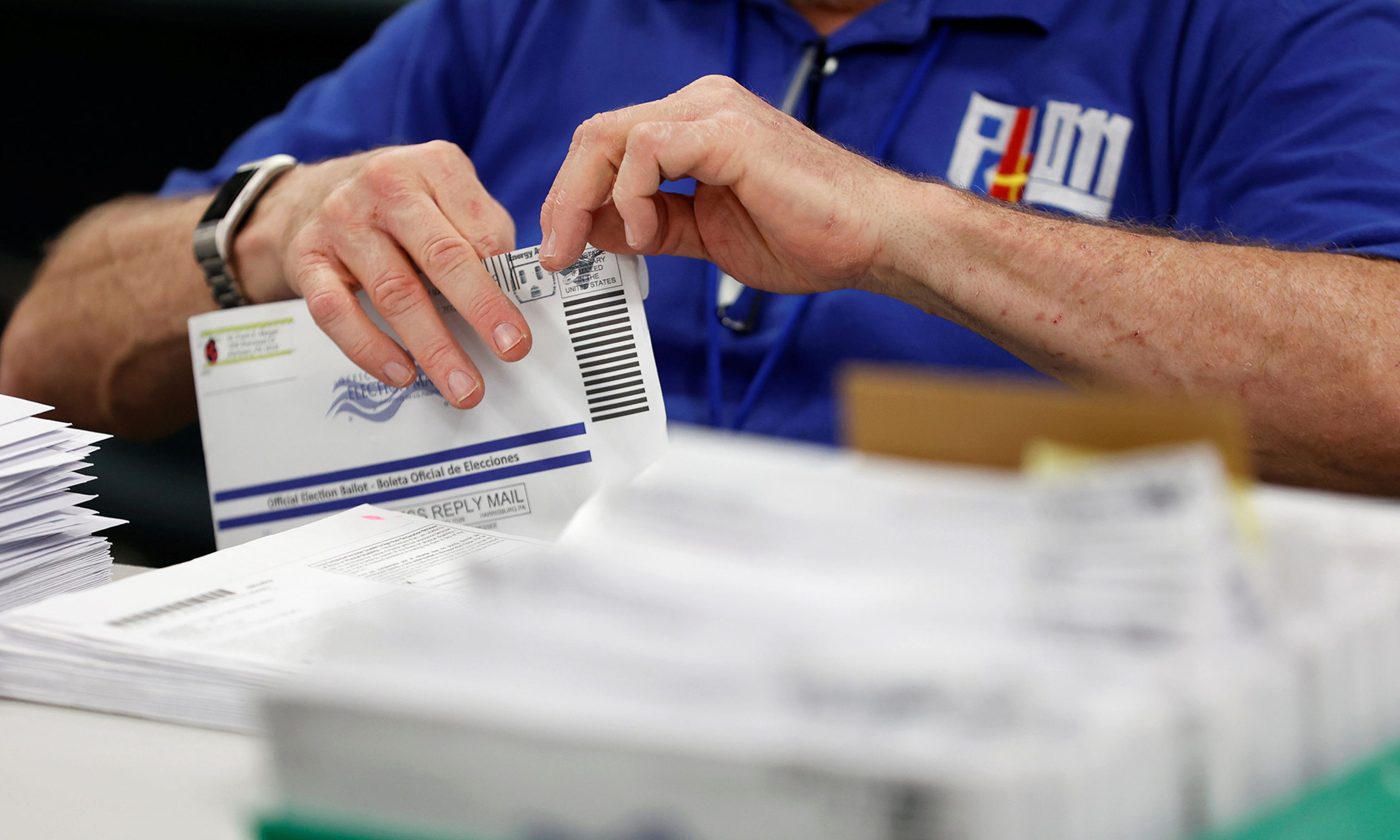
The Supreme Court this morning, in Watson v. Republican National Committee, ruled that states are not barred by federal law from counting ballots that arrive after Election Day. The Court’s 5–4 opinion, written by Justice Amy Coney Barrett, upheld a Mississippi law allowing ballots to be counted if they arrived five days after the election. The law’s challengers argued that the federal Election Day statutes require the election to be completed no later than the day set by Congress for the election. The decision is a win for federalism, and its sweep is narrow, but it is nonetheless a loss for honest elections.
Barrett was joined by Chief Justice John Roberts and the three liberals. Looking closely at how federal law handles military and other absentee ballots, the Court concluded, “the Uniformed and Overseas Citizens Absentee Voting Act (UOCAVA), confirms that while federal law dictates when ballots must be cast, state law dictates when they must be received” (emphasis added). Justice Samuel Alito’s opinion for the four dissenting justices emphasized the statutory definition of when the election takes place: “If ballots received after election day are added to the set of ballots that dictate the election’s outcome, the electorate’s choice does not occur on election day, and the federal election-day statutes are violated.”

Comments