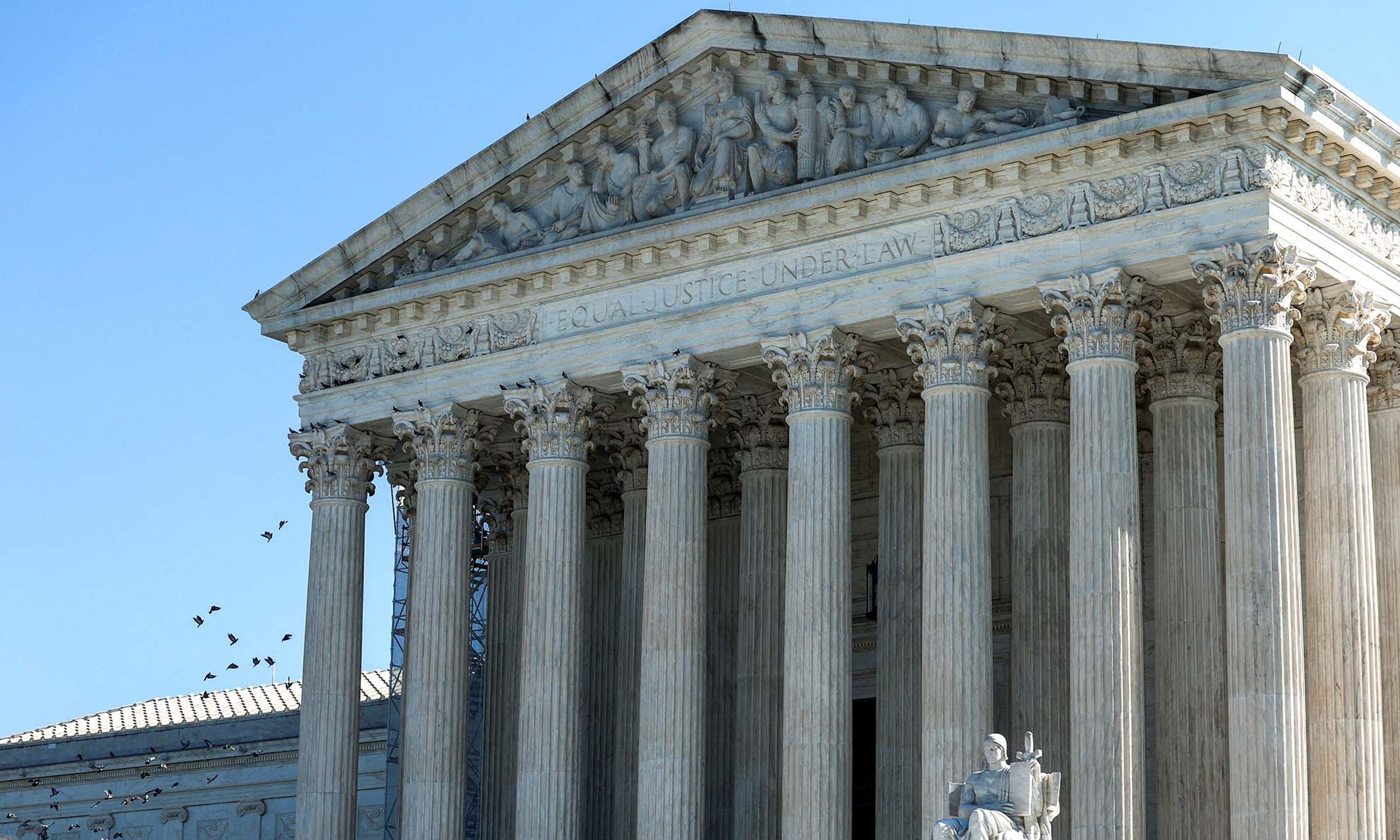
Today’s federal government has strayed far from the design of the Founders, often for the worse. But not every deviation from the original concept can or should be fixed by the courts. That’s the message of the Supreme Court’s 7–2 decision this morning in Consumer Financial Protection Bureau v. Community Financial Services Association of America. The case provoked a spirited debate between Justices Clarence Thomas and Samuel Alito about the Court’s authority to save Congress from its own folly.
Thomas’s opinion for the Court ruled that it was constitutional for Congress to allow the Consumer Financial Protection Bureau to fund itself in perpetuity out of the Federal Reserve rather than ever have to go back to Congress for annual funding. While that undermines the crucial power of the purse, Thomas explained, a permanent appropriation is still an appropriation; Congress has nobody to blame but itself for giving away its power over the CFPB. The Constitution won’t save Congress, or fix our fiscal house; only a Congress with the political will to do so can repair its own errors. Until then, the CFPB can operate like a monarchy unaccountable to popular representatives.





Comments