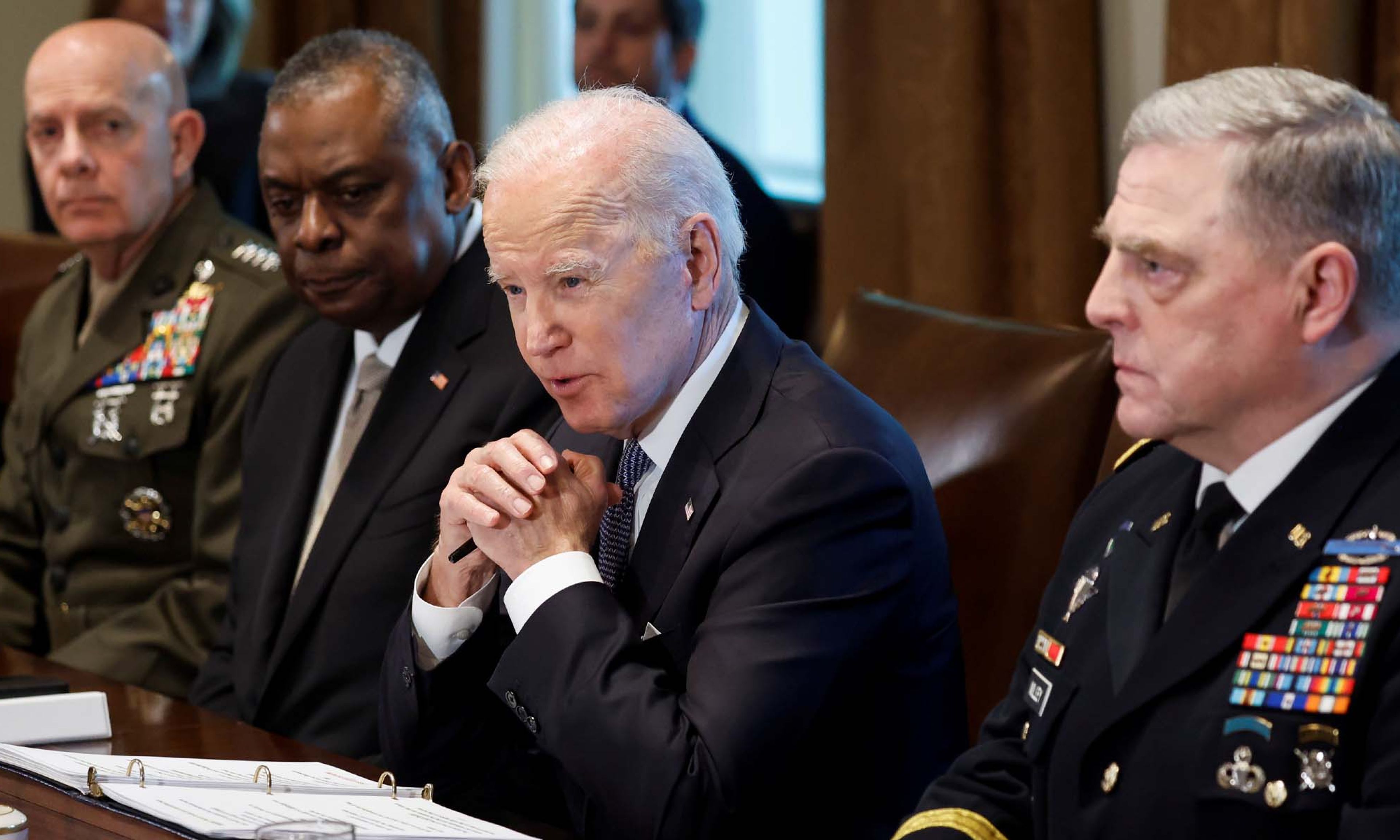
In recent weeks, there has been a flurry of support for Taiwan from the U.S. House of Representatives, typified by the visit of the Foreign Affairs Committee chairman, Representative Michael McCaul. If China invaded Taiwan, he said, sending U.S. forces into the fight “would be discussed by Congress and with the American people.” McCaul was hewing to the congressional Taiwan Policy Act of 2022, which designates Taiwan a “Major Non-NATO Ally” but leaves ambiguous whether the U.S. would fight alongside it or instead treat it as it does Ukraine, sending arms but not entering the fight.
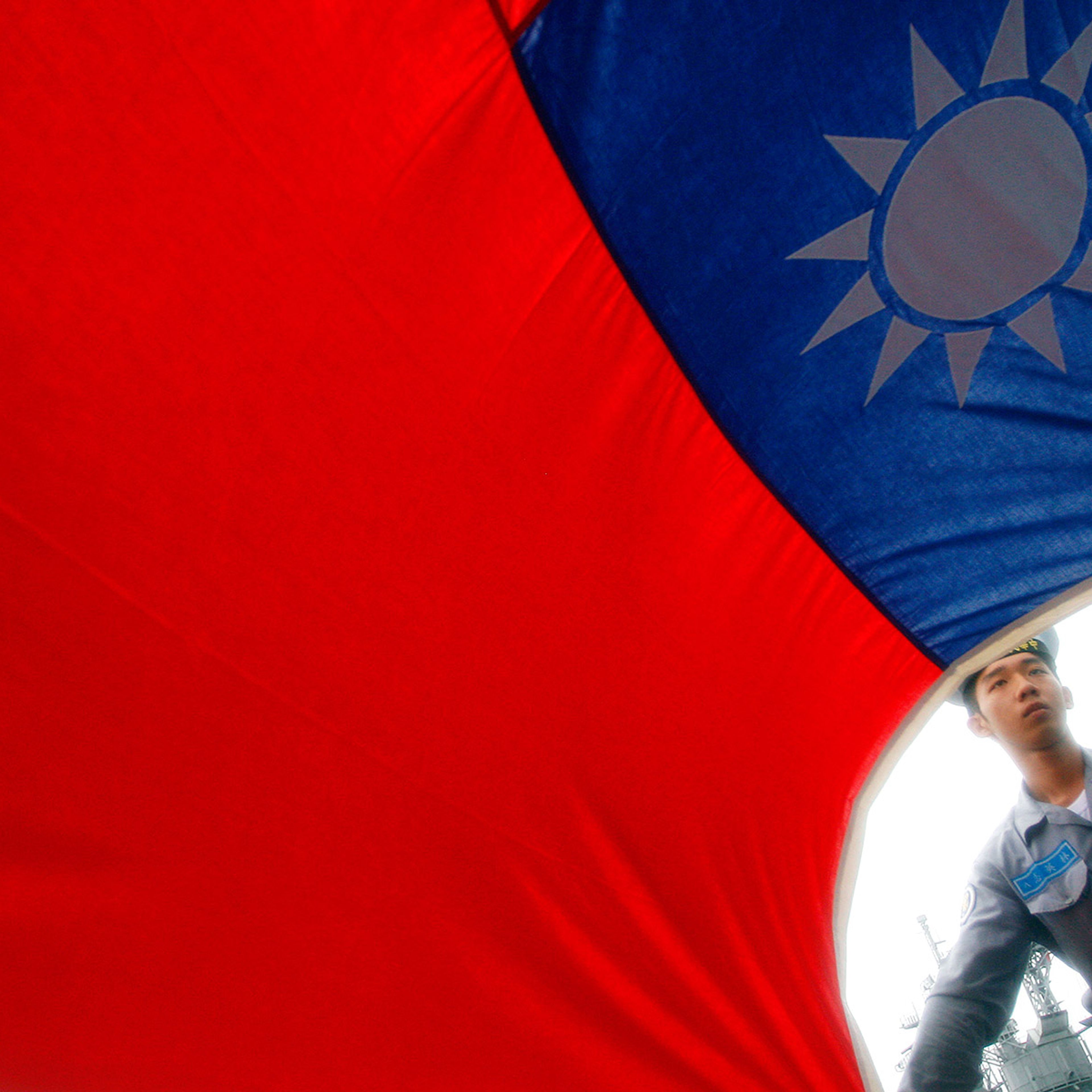
Chairman Xi Jinping has instructed his country’s military to “be ready by 2027” to invade Taiwan. Obviously, his preference is to achieve Taiwan’s capitulation through political maneuvers and threats. But his pledge to employ force during this decade must be taken as firm. A day after McCaul made his unremarkable remarks, China dispatched 80 military aircraft and ships into Taiwan’s littoral space and threatened to board and “inspect” commercial vessels. The Chinese general in command said this was intended as a “serious warning against the joint provocations of ‘Taiwan independence’ separatists and external forces.” The White House issued an infelicitous response, saying there was no reason for China to “overreact.”



Comments