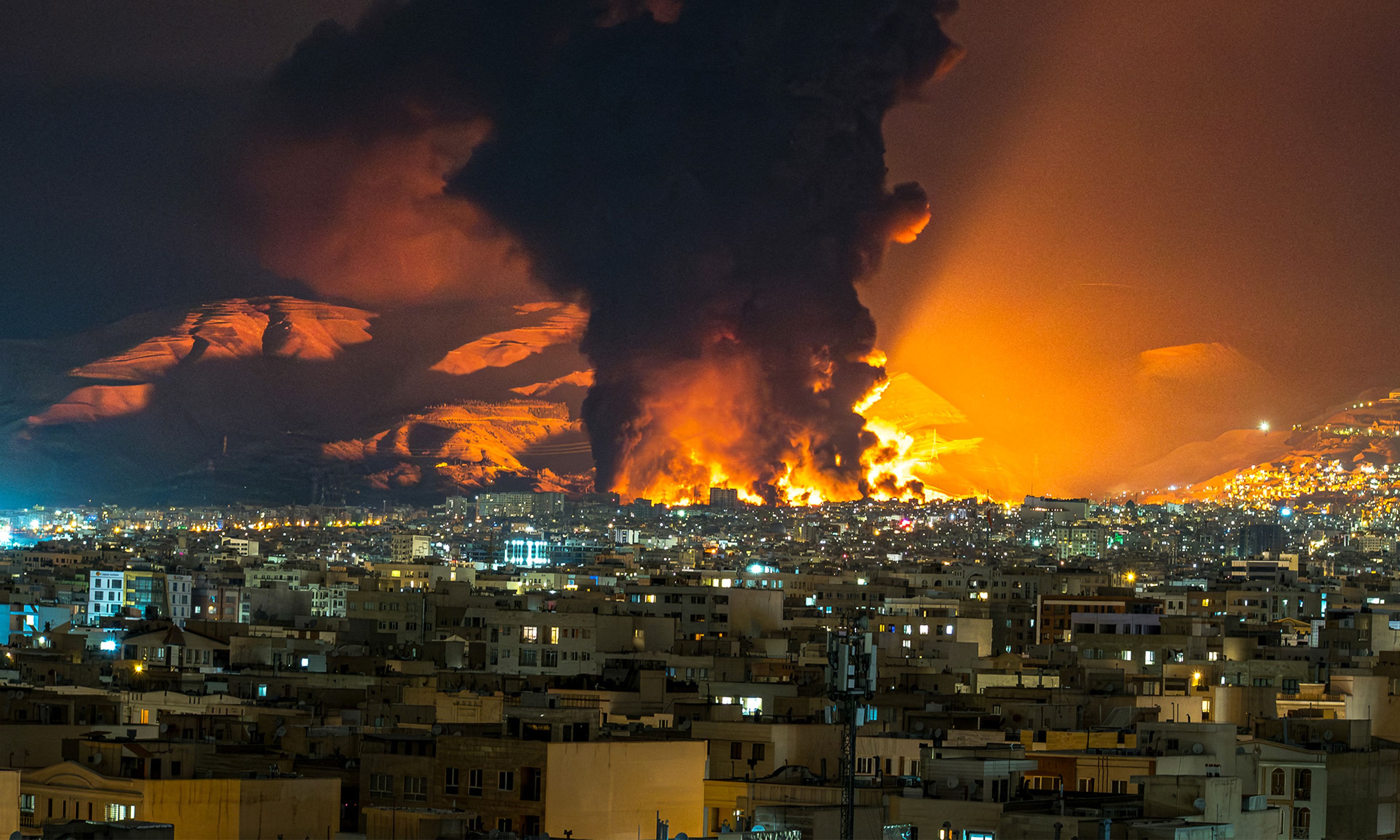
In their coverage of the war over the skies of Iran, legacy media outlets continue to assess that this campaign, now in its twelfth day, is an abject disaster for the U.S. and Israel.
The Gulf states that are absorbing Iran’s unprovoked drone and missile strikes are reportedly seething with quiet resentment toward the United States, calling into question the West’s regional postwar alliance structure. “A ‘multitude’ of intelligence reports provide ‘consistent analysis that the regime is not in danger’ of collapse,” Reuters added, raising the possibility that regime collapse is a viable objective in this war. Even if regime change is off the table, the U.S. is evidently obliged to pursue that outcome indefinitely, even without any prospects for success. If Donald Trump bugs out early, he would “grant Tehran control over the world’s energy markets,” Wall Street Journal reporter Yaroslav Trofimov reported. “It would also sacrifice the security of America’s partners and allies, and possibly make another, more devastating, regional war likely.”


Comments