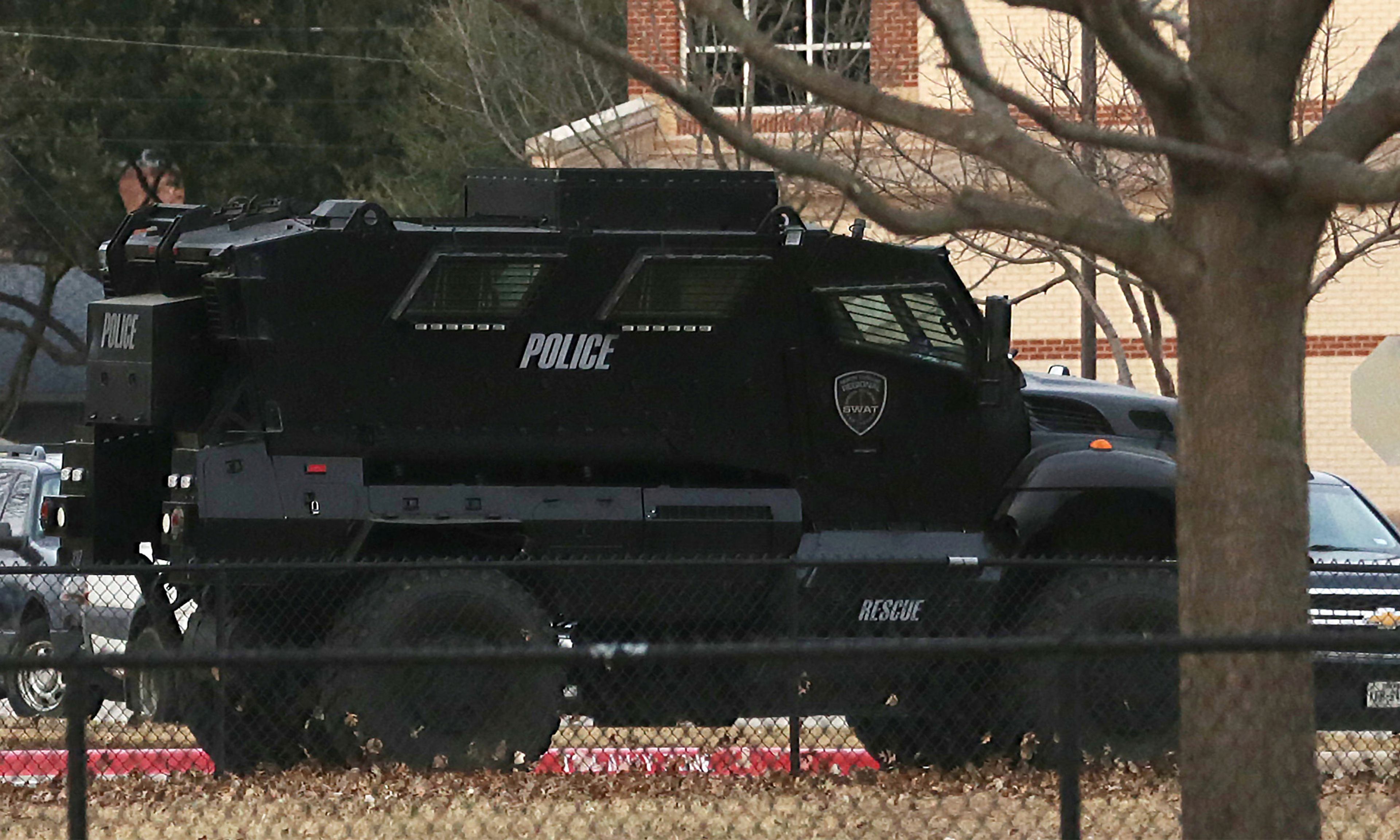
Watching the Congregation Beth Israel hostage situation unfold this weekend, one might have been under the impression that a 44-year-old British Islamist named Malik Faisal Akram had traveled 5,000 miles and then merely wandered into a temple in a Dallas suburb by happenstance, before taking four hostages and demanding the release of a notorious terrorist.
Akram — or as the Telegraph described him, a man “with an English accent” — allegedly demanded the release of Aafia Siddiqui, known by the moniker “Lady al-Qaeda,” from the nearby Carswell Air Force Base. Siddiqui, a Pakistani neuroscientist who spent years in North America, is serving an 86-year sentence for the attempted murder of a U.S. soldier in 2010. The Justice Department alleges that she was picked up carrying notes on how to manufacture a “dirty bomb” and held plans for potential attacks on the Empire State Building and the Brooklyn Bridge.


Comments