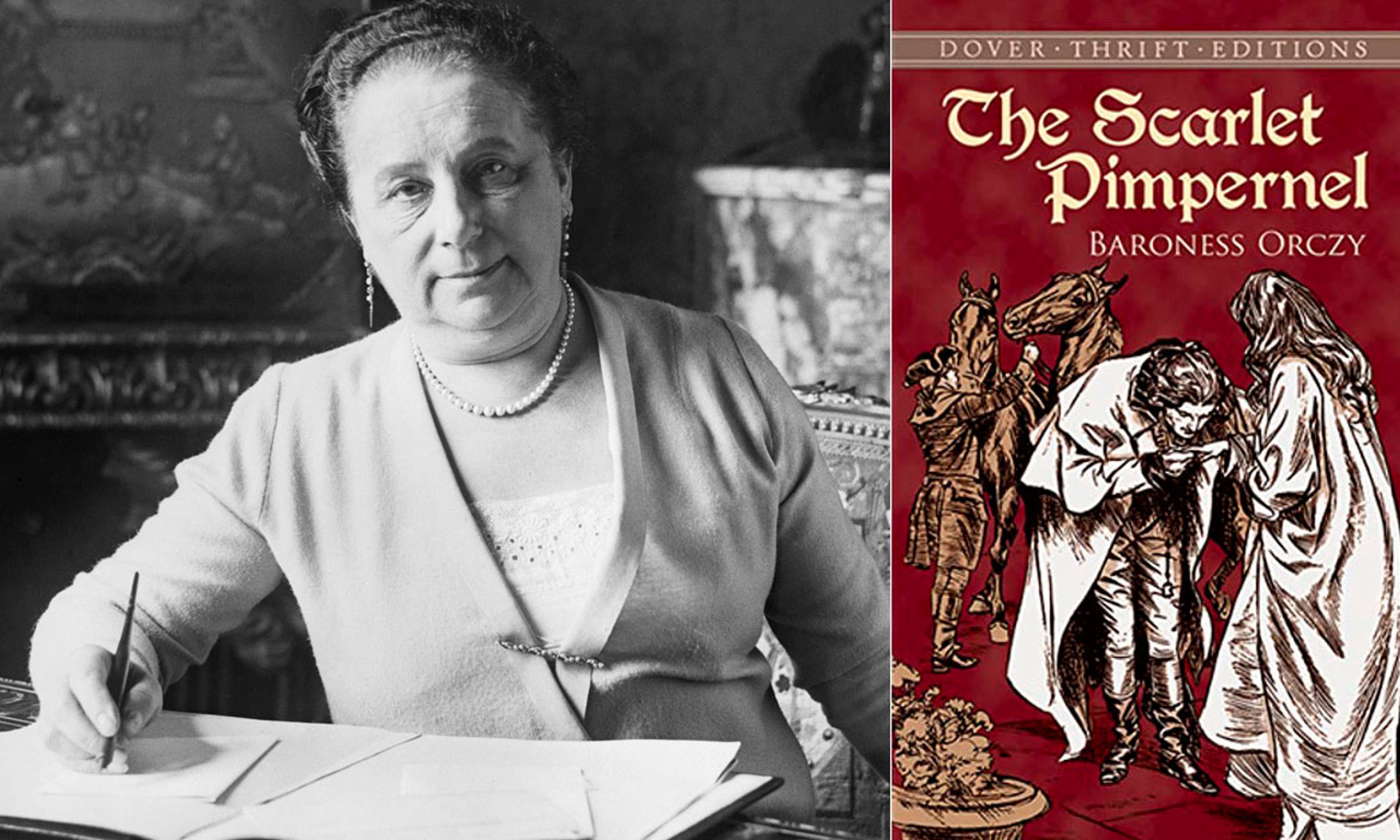
‘They seek him here. They seek him there. Those Frenchies seek him everywhere. Is he in Heaven? Or is he in Hell? That demmed, elusive Pimpernel.” Thrilling words, aren’t they? My 14-year-old self thought so, and honestly, I’ve never stopped thinking it. That enigmatic character, the Scarlet Pimpernel, has captured many an imagination for over a century now and has worked his way into mainstream cultural references. Daring rescues and clever escapes are now described in Scarlet Pimpernel-esque terms. Why, this literary character even had a real-life counterpart in Monsignor Hugh O’Flaherty, the priest who used his position in the Vatican to save Jews and Allied soldiers during World War II.
If you’ve never read the story, I’ll give just a brief taste to whet your appetite, but don’t go looking for spoilers, I beg you. It is the year of our Lord, 1792. The French Revolution scythes its bloody way through the country, abhorred but unchecked by neighboring lands. Noble men, women, and children are cruelly put to death. Will no one come to their aid? Enter the Scarlet Pimpernel. Never seen, but somehow always present, this master of disguise uses his clever wits and immense courage to spirit away those doomed to die. What is known about him? That he is an Englishman. That he is followed and implicitly obeyed by twelve unfalteringly loyal men. That he is a pestilence, according to Chauvelin, and must be destroyed.





Comments