‘I am apt to believe that it will be celebrated, by succeeding Generations, as the great anniversary Festival. It ought to be commemorated, as the Day of Deliverance by solemn Acts of Devotion to God Almighty. It ought to be solemnized with Pomp and Parade, with Shews, Games, Sports, Guns, Bells, Bonfires and Illuminations from one End of this Continent to the other from this Time forward forever more.”
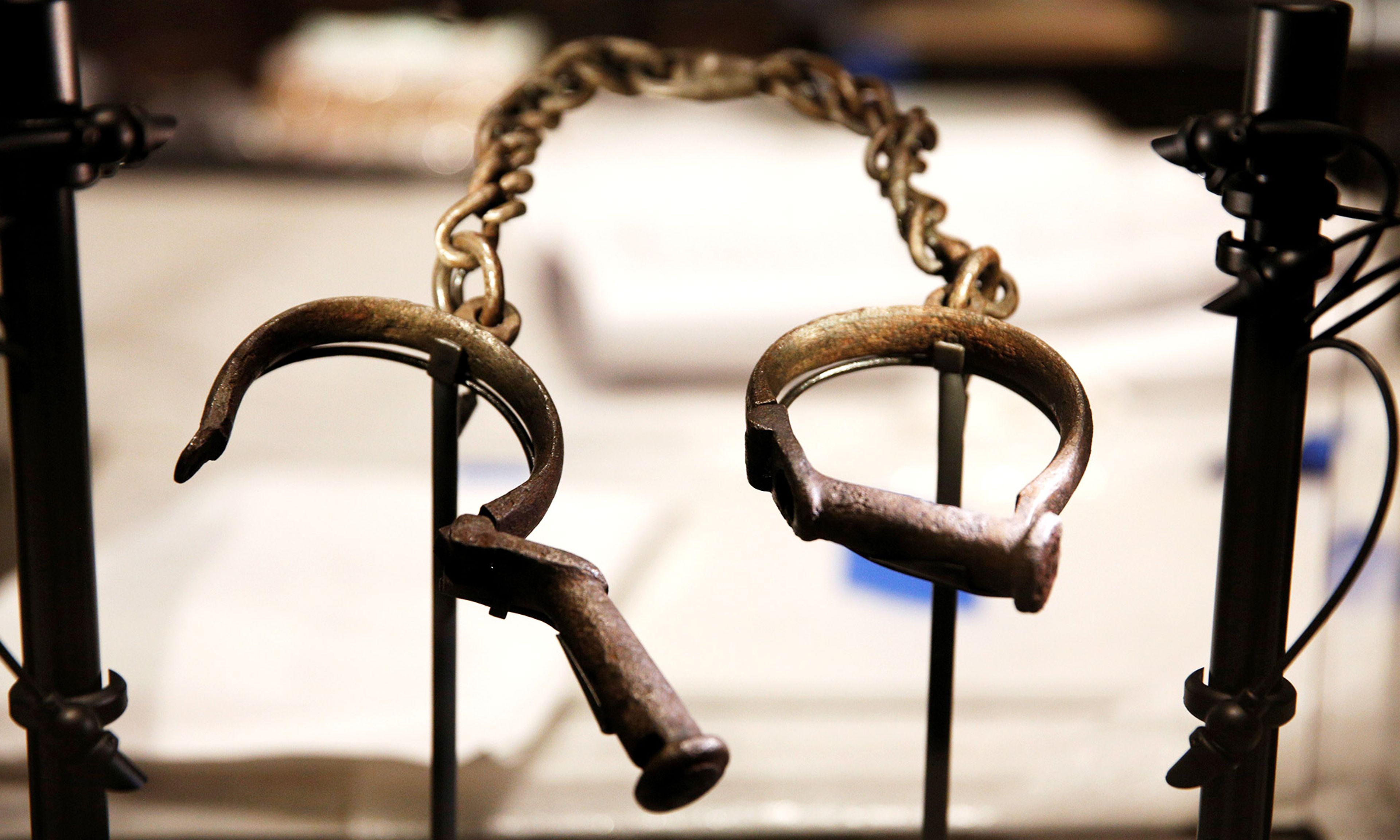
Those were the words of John Adams in a letter to his wife, Abigail, after the Continental Congress’s approval of the Declaration of Independence. In predicting that America’s Independence Day would be celebrated in epochs succeeding his, he was mostly correct, but he was wrong on a couple of things. First, he was referring to July 2, when the Congress voted on the resolution on independence, not July 4, the day of its signing that we celebrate instead. Second, while most people in the country give proper due to the heroism of the Founding Fathers, some choose to denounce them. Their chief complaint is that Adams and the others did not do enough to outlaw slavery from the country’s outset. This grievance is pretty solid. Slavery is a moral abomination, and our country’s dereliction is our original sin.




Comments