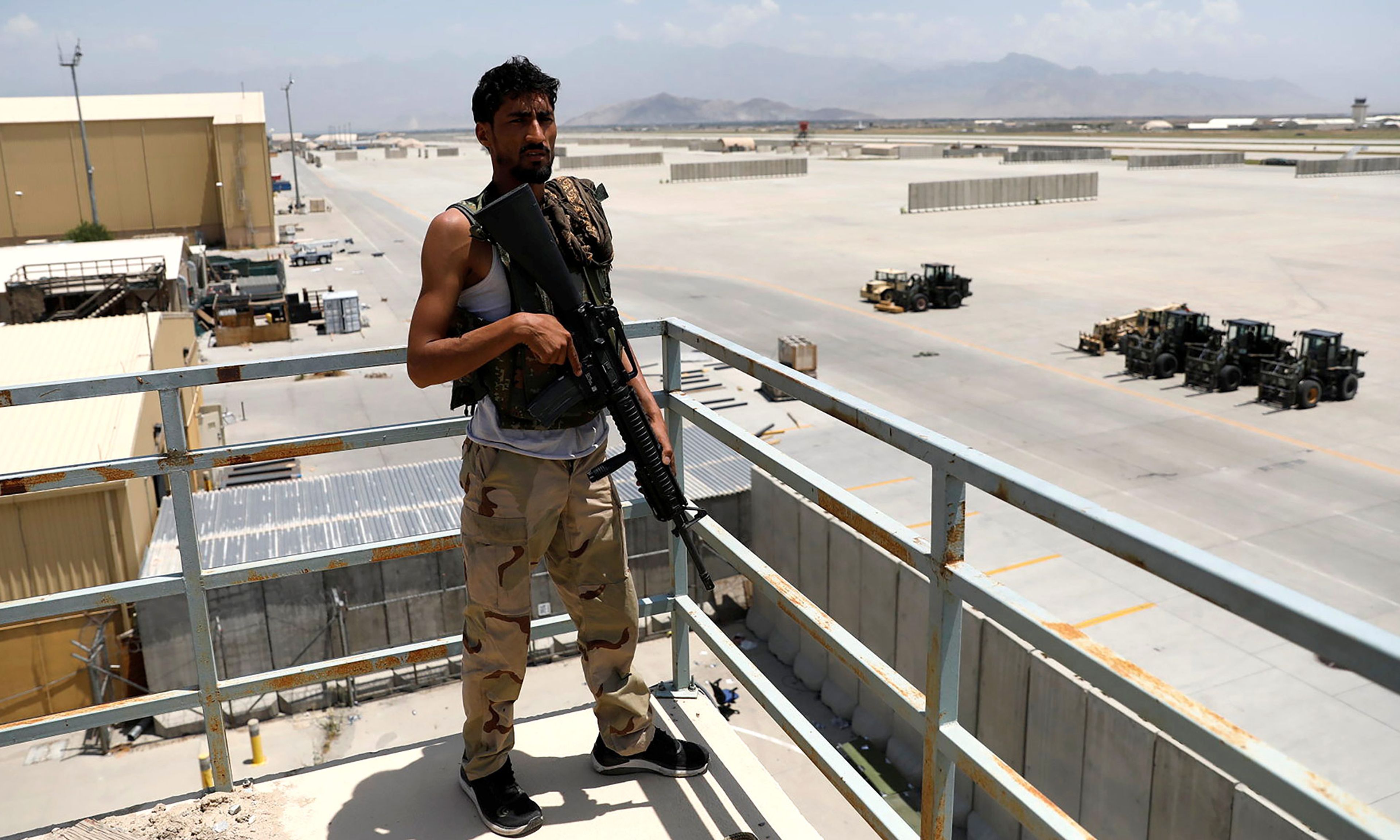
Images of the collapse of the Afghan government in Kabul bring back painful memories of a similar collapse in the wake of a similar U.S. withdrawal from Vietnam in 1975. The comparisons with Vietnam, however, go beyond American humiliation and defeat — and the abandonment of those whom American power was supposed to protect. If history is any guide, we can expect America’s retreat also to boost the opportunities for our superpower rival. In 1975 that was the Soviet Union; today it’s Communist China.
The United States’ withdrawal from Vietnam allowed the Soviet Union to expand its influence around the world, not only in Southeast Asia but in Africa and the Middle East — including, ironically, Afghanistan. Those who worry rightly about a resurgence of al-Qaeda and terrorist groups in a Taliban-dominated Afghanistan should have an additional worry: that Washington’s influence will be replaced by that of Beijing, which will rock the balance of power in Central and South Asia but also across the Middle East.





Comments