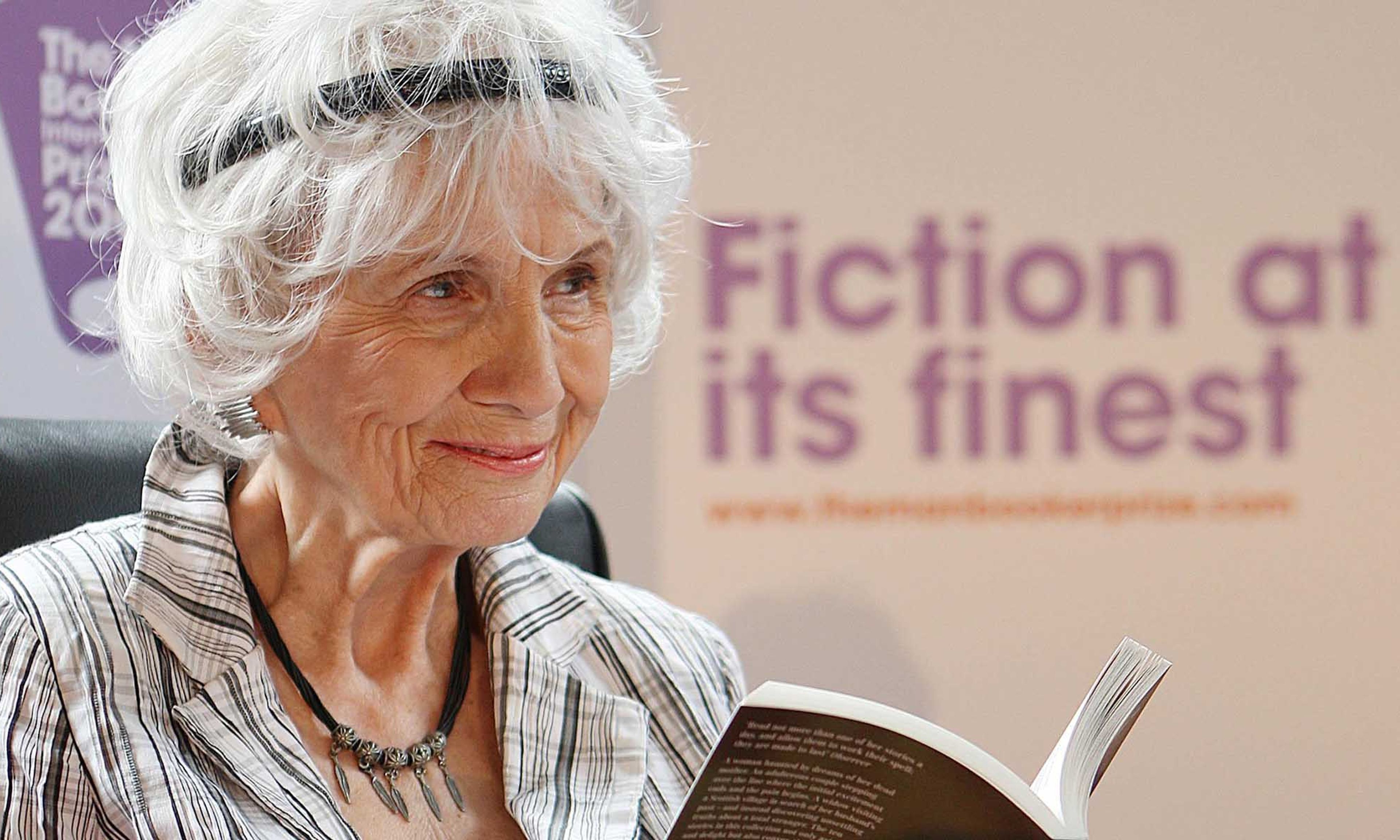
Andrea Skinner, the daughter of acclaimed Canadian novelist and Nobel laureate Alice Munro, revealed this week in the Toronto Star that her stepfather, Gerald Fremlin, had sexually abused her starting in 1976, when she was nine years old. In 1992, Munro learned of the abuse; she did nothing to address it and lived the life of an adored literary icon, alongside Fremlin, far away from her estranged adult daughter.
Twenty-five-year-old Skinner told Munro about the abuse after Munro shared with her a short story in which a girl commits suicide after her stepfather sexually abused her. Munro had asked her daughter why the girl in the story wouldn’t just tell her mother. Skinner took it as a sign and wrote her mother a letter doing just that. In return, Munro “said that she had been ‘told too late,’ she loved him too much, and that our misogynistic culture was to blame if I expected her to deny her own needs, sacrifice for her children, and make up for the failings of men,” Skinner wrote in her Toronto Star essay. “She was adamant that whatever had happened was between me and my stepfather. It had nothing to do with her.”





Comments