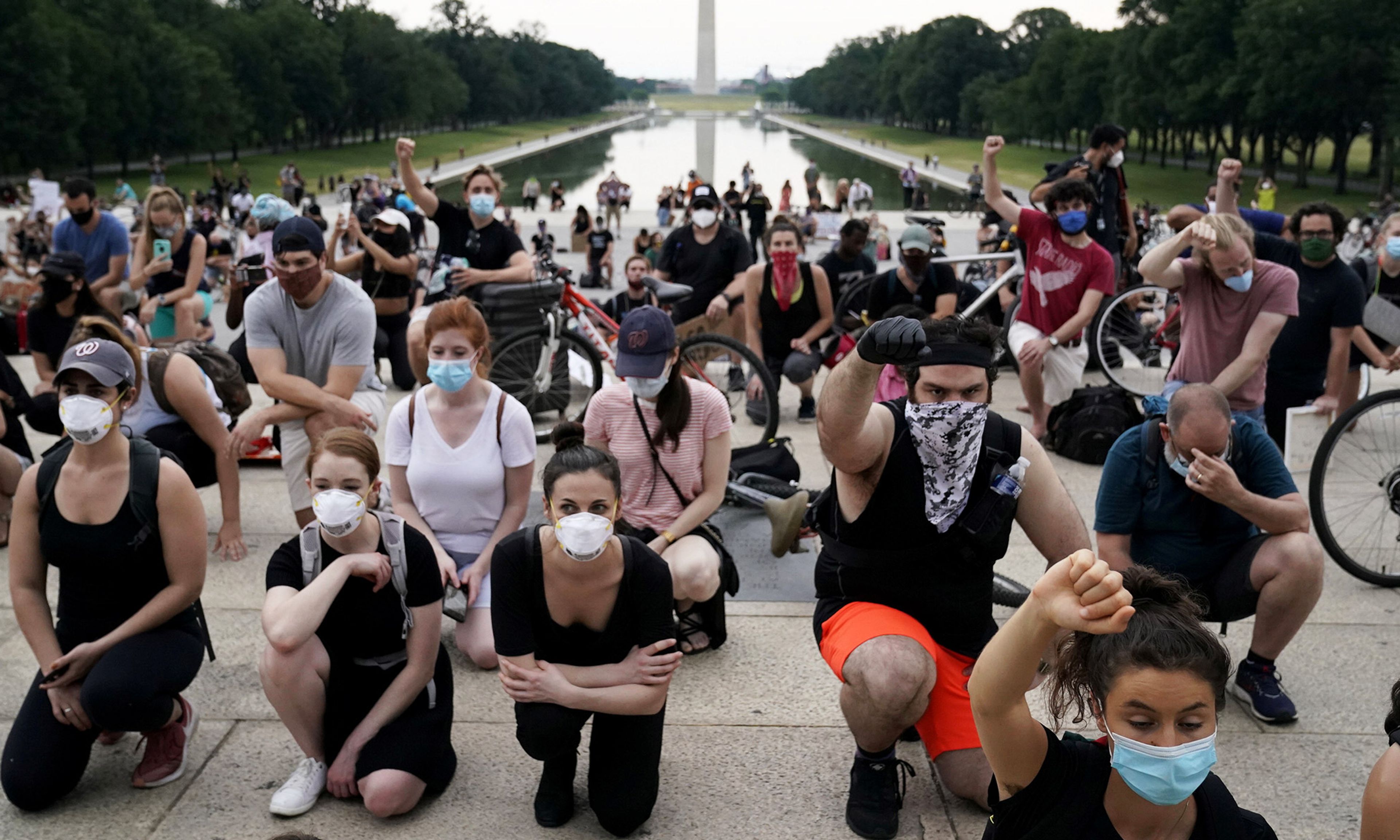
America is in the grip of a cultural revolution. Decades in the making, this revolution was born in our colleges and universities, which provided the shock troops now leading the charge. These young men and women stand ready to topple statues of our nation’s Founders, remove monuments to presidents, rename schools, censor speech, and redraft curricula. They do so because they fervently believe that they are better than their hopelessly retrograde fellow citizens, who remain blind or, worse, callously indifferent to the alleged ills that plague our society. College and university campuses across the country have been transformed by leftist faculty into seminaries that each year anoint into the “woke priesthood” more credentialed but hardly educated men and women.
Many among our young revolutionaries, increasingly drawn from America’s Generation Z that is just coming of age, graduate from institutions of higher learning often deeply in debt, but with few marketable skills to secure them well-paying jobs. As such, they often land in a pre-professional stasis, unable to launch into adulthood, seething with frustration and anger at the injustices — some real, many imagined — visited upon them by the “system” and its “oppressors.” Together with America’s millennials, who matured during the post-2008 Great Recession and saw their economic opportunities eroded as they entered adulthood, Generation Z is shaping up to become the most radical and the furthest removed from traditional values and the American way of life. More ethnically and racially diverse than the millennial generation that came before it, Gen Z has been molded by an educational system that no longer instills in its students anything resembling a coherent and balanced narrative of the American nation and its founding to ensure that e pluribus unum supersedes group interests. On the contrary, identity politics is cresting as the dominant narrative taught to the young. If you are a student attending school today, your understanding of America and its past is that of an oppressive, perhaps irredeemable, land.




Comments