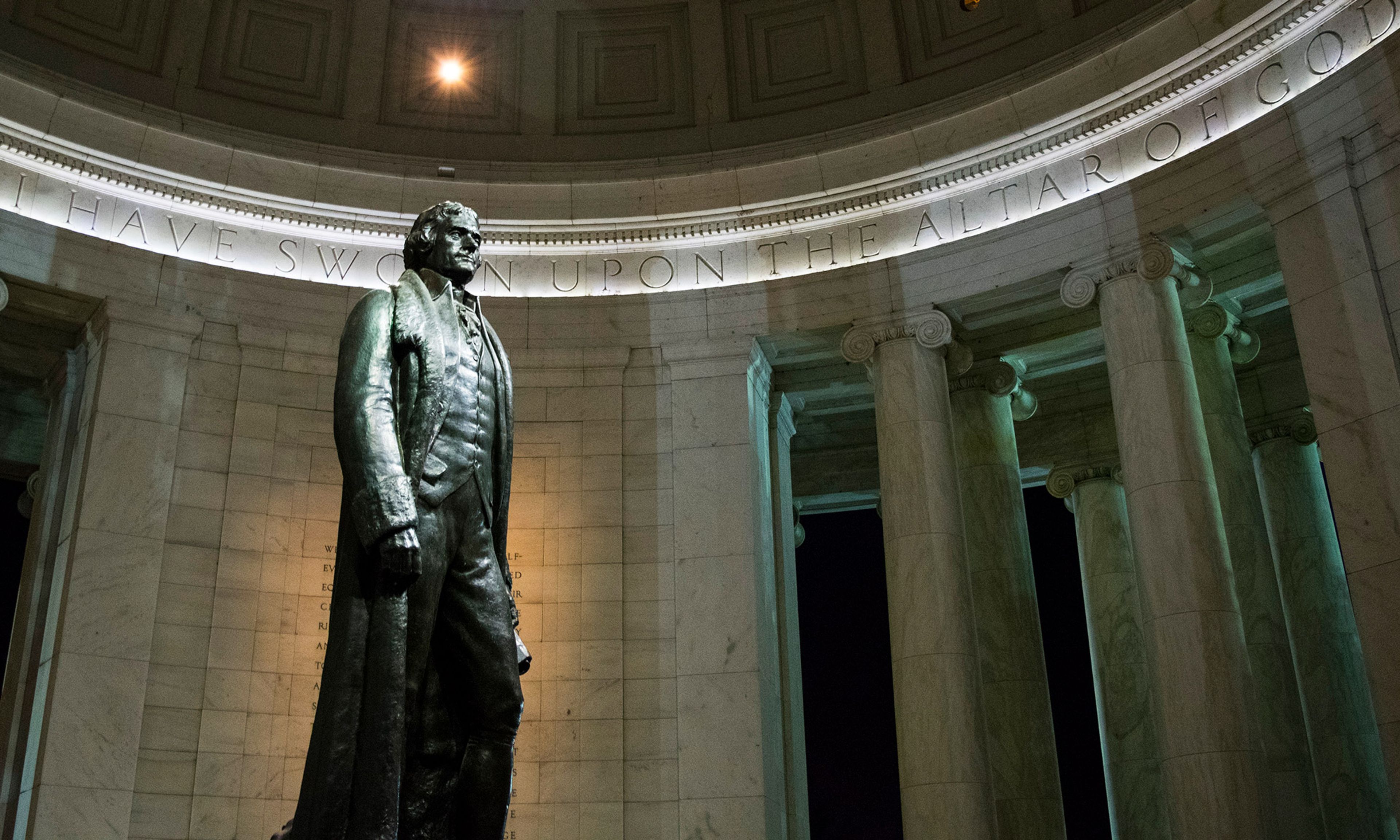
Last year, Secretary of State Mike Pompeo established a Commission on Unalienable Rights at the State Department. According to the Commission’s draft report, which was released a few weeks ago, its purpose was to provide “an informed review of the role of human rights in a foreign policy that serves American interests, reflects American ideals, and meets the international obligations that the United States has assumed.” Interestingly, the authors of the report tell us that “the Commission’s instructions were to focus on principle, not policy formulation.” I, for one, did not have “Federal government branches out into intellectual history and philosophy” on my Trump administration bingo card, but the last three years have been nothing if not full of surprises.
Unfortunately, the Commission’s draft report is full of mistakes regarding the nature and foundation of natural rights. However, these are the same mistakes that were made by the Founding Fathers of this country and that persist in the minds of many Americans to this day. The American natural-rights tradition has rarely ever been articulated in a historically or intellectually defensible way, which is a great shame, because all of its major intuitions about the sacred and inviolable liberties of man are entirely correct. The truth is that Washington, Jefferson, and Madison were far more capable of building the great and glorious constitutional edifice of the American Republic than they were of accounting for it historically or philosophically, or explaining it adequately from first principles. The State Department’s report falls predictably at all of the same hurdles the Founders did. But it does provide a long-overdue opportunity for Americans to understand where their rights really come from.





Comments