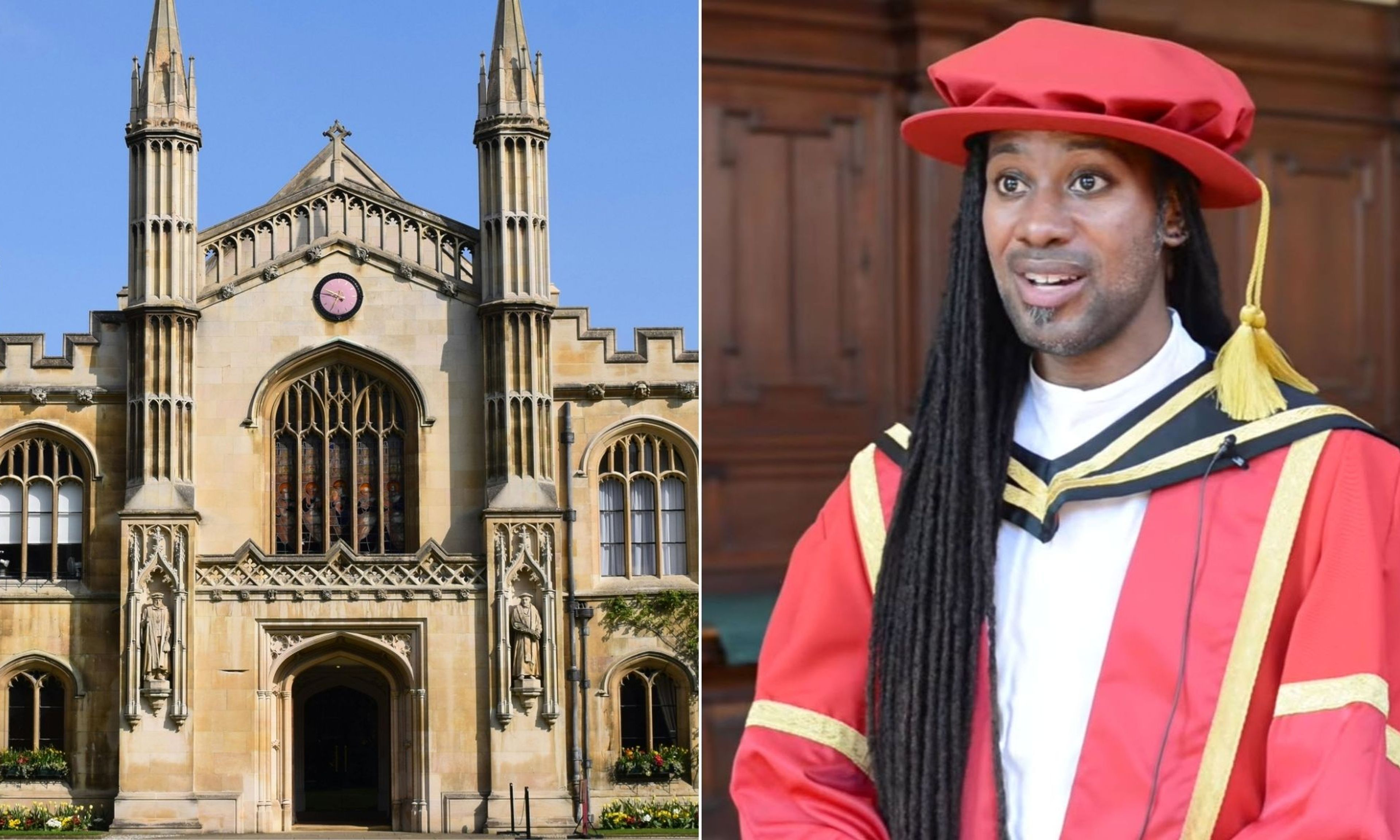
The Byline Times reports that the academic publisher Taylor and Francis concluded a second probe into Jason Arday that did not substantiate the plagiarism accusations made against him, marking the fourth institutional inquiry to reach the same exculpating conclusion. Thus far, the inquiries have cleared Arday by assessing that he copied text accidentally without malicious intent; the duplicative passages were in portions like the introduction or literature review rather than the central body of the work; he was “autistic,” and therefore something like replication was part of his learning process; and/or he lacked proper supervision from his respective institution. Taylor and Francis reaffirmed its previous findings that Arday’s publication simply required corrections to insert missing citations and quotation marks where relevant, rather than a full retraction.
It is true that there is a spectrum of plagiarism offenses. There’s a big difference between insufficiently paraphrasing another scholar and lifting, verbatim, an entire chapter from another writer. I also think that plagiarism can be a forgivable offense in certain cases: An academic working on a dissertation-length work will have hundreds, if not thousands, of source materials, so it is an understandable human error if one particular citation doesn’t make it into the final version. Maybe a citation is in the bibliography, but just mistakenly didn’t end up in the footnote on the particular page where the specific claim is made. The appropriate remedy, in cases like these, is to issue a correction without banishing the person from academia for eternity. Indeed, a full retraction is not always necessary.





Comments