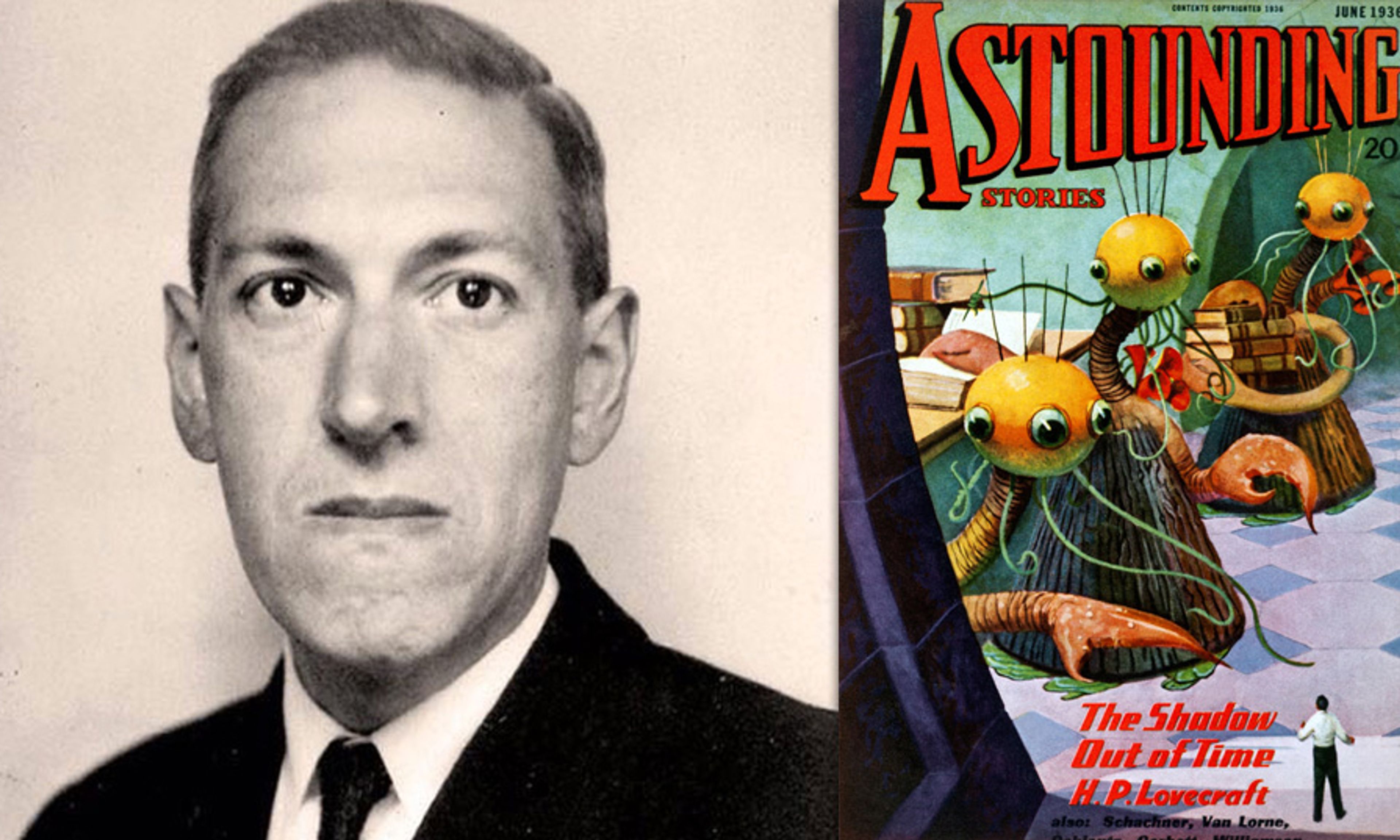
There are certain recurring elements in the fiction of H. P. Lovecraft. The horrifying cosmic entity Cthulhu. The Necronomicon, a cursed tome of forbidden knowledge. Certain words recur, too, such as “Cyclopean.” When Lovecraft really wanted to convey the monstrous nature of what he was attempting to describe in his horror tales, though, “blasphemous” frequently seemed the best way to communicate the utterly alien, offensive, and profane quality of his subjects. It is a telling choice, one that helps illustrate the distinct and enduring quality of his work.
Lovecraft’s modern reputation might suggest widespread popularity in his own day. Not quite. Though he wrote many stories before his death in 1937, virtually all of them appeared in pulp magazines, for which he was often paid shockingly little. He only published one book in his lifetime, though his work did appear in some anthologies. Literary friends kept his work alive, enabling its gradual increase in popularity. The man who wrote, “That is not dead which can eternal lie / And with strange aeons even death may die” would surely appreciate his own resurrection.





Comments