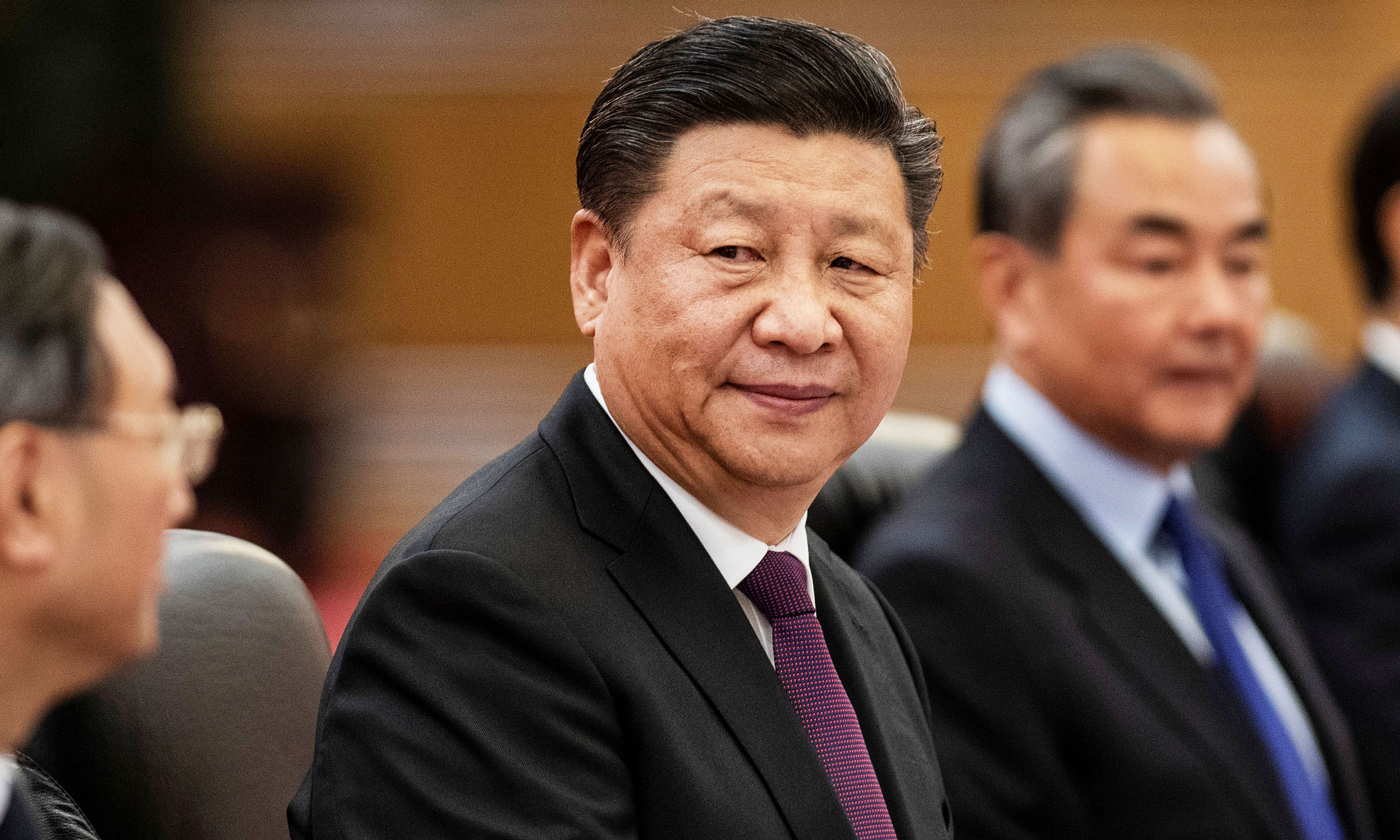
Last night’s call between President Biden and Xi Jinping, their second conversation since Biden took office, might foreshadow an easing of the still-hawkish U.S. policy toward China. And not because Washington succeeded in pressuring Beijing to change its ways.
Since taking office, Biden pledged to implement a strategy that blends competition and cooperation; his administration later added confrontation, where necessary, as a pillar of that doctrine. Early on in the administration, all of this amounted to a continuation of the Trump administration’s tough line, with the major exception being climate envoy John Kerry’s talks with his Chinese counterpart. But every indication from the White House about last night’s call suggests that Beijing’s tough negotiating position is rattling U.S. officials — potentially even prompting an erosion of the tough stance toward Chinese misconduct that Biden took early on in his presidency.





Comments