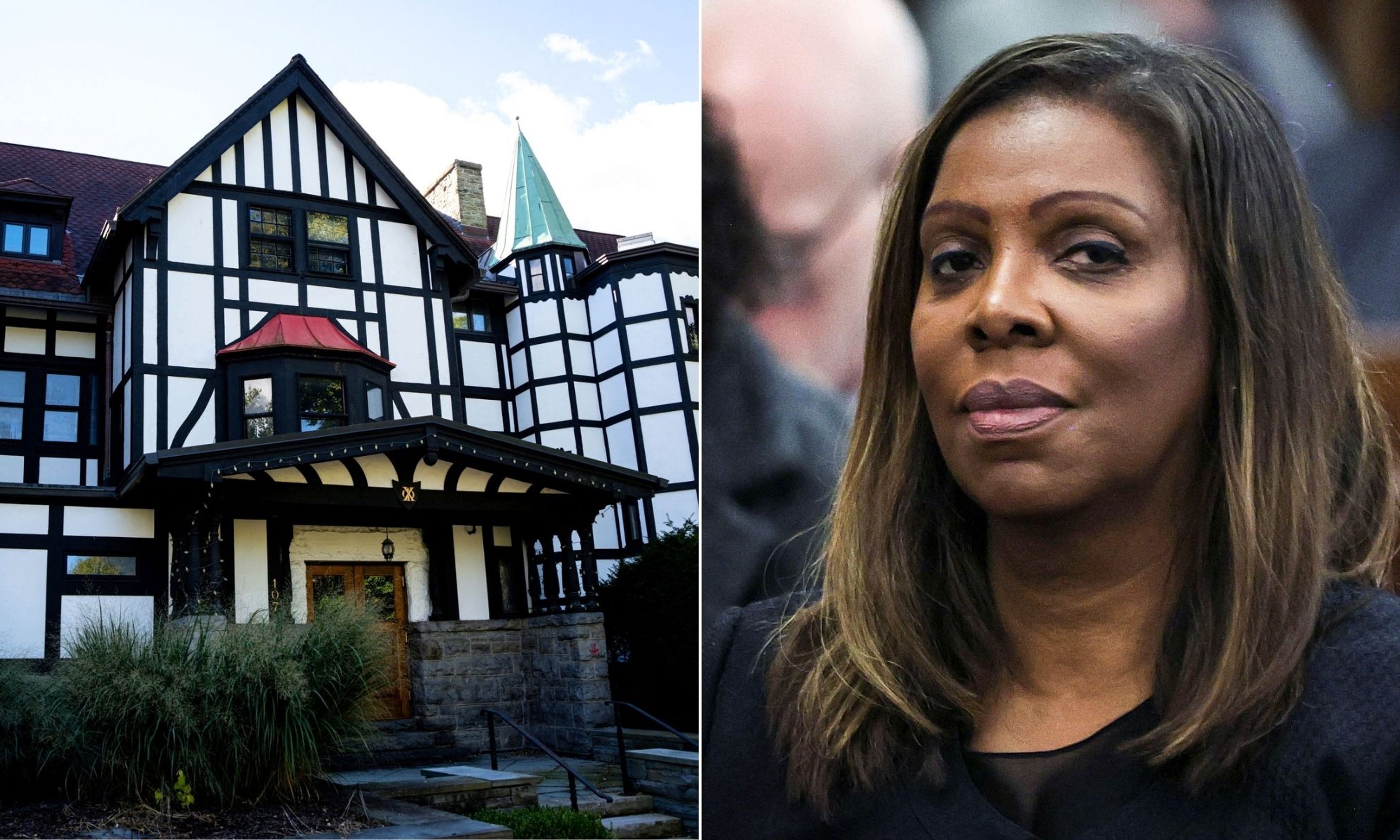
When the horrific Cornell Seven story broke, I happened to be watching a series about the “Terror” phase of the French Revolution on The Rest Is History, the scintillating podcast of historians Tom Holland and Dominic Sandbrook. The climactic events that lead to Maximilien Robespierre’s fall are ignited by a provision he himself forced through a skeptical National Convention: Law of 22 Prairial Year II (i.e., June 10, 1794, the haughty radicals having endeavored to reset time itself such that the calendar would trace it from the proclamation of the First Republic rather than the birth of Christ).
The purport of the new law was to save a revolution based on the “natural, imprescriptible, and inalienable” rights of man by . . . of course . . . repealing the rights most essential to man, the substantive and procedural trial protections of the accused.



Comments