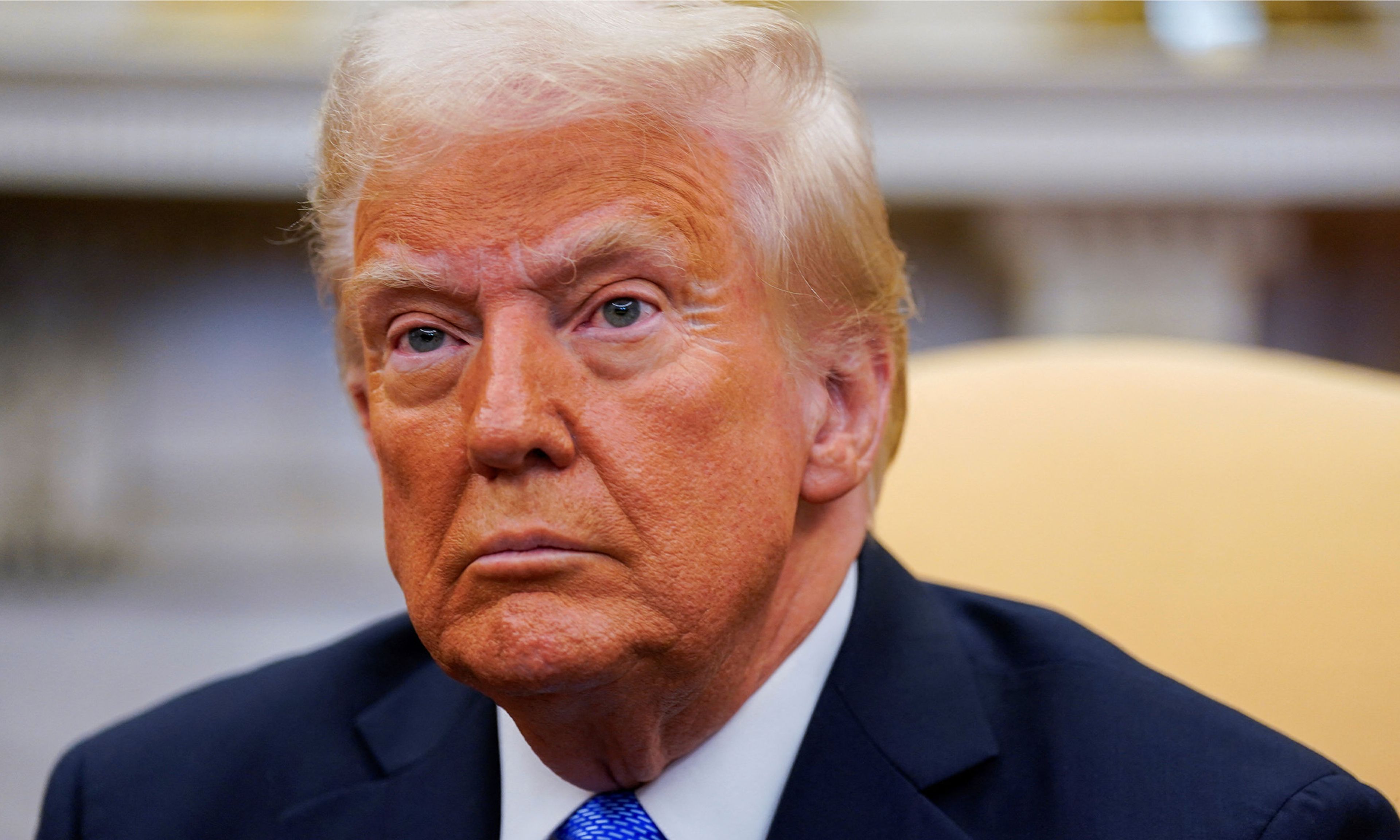
I would not put much stock in media coverage or political rhetoric suggesting that the federal courts are in revolt against President Trump and his efforts to rein in government size and spending. Undoubtedly, there are some progressive judges (mainly those appointed by Presidents Obama and Biden) who are philosophically sympathetic to claims that the president is interfering with the safe, professional operation of the administrative state — as if the chief executive has no say in how executive agencies conduct business. For the most part, though, what we’re seeing are the normal effects of litigation, which slow down government action. This does not mean all or even most of Trump’s directives will be stopped.
Take the U.S. Agency of International Development (USAID) controversy. As I opined to Rich on our podcast last week, if Trump wants to have a fight about executive control over government priorities and spending, USAID is the perfect fight to pick. There is a strong current of constitutional interpretation, going back to John Marshall and Thomas Jefferson, and affirmed in Supreme Court jurisprudence, holding that the president’s power over the conduct of foreign relations is nigh plenary. Exceptions — e.g., Congress’s war power, the Senate’s treaty power, and the requirement of Senate consent before diplomats may take their posts — must be narrowly construed. There are many governmental areas in which Congress may compel the president to operate bureaucracies and spend public funds; in general, foreign affairs should not be one of them.


Comments