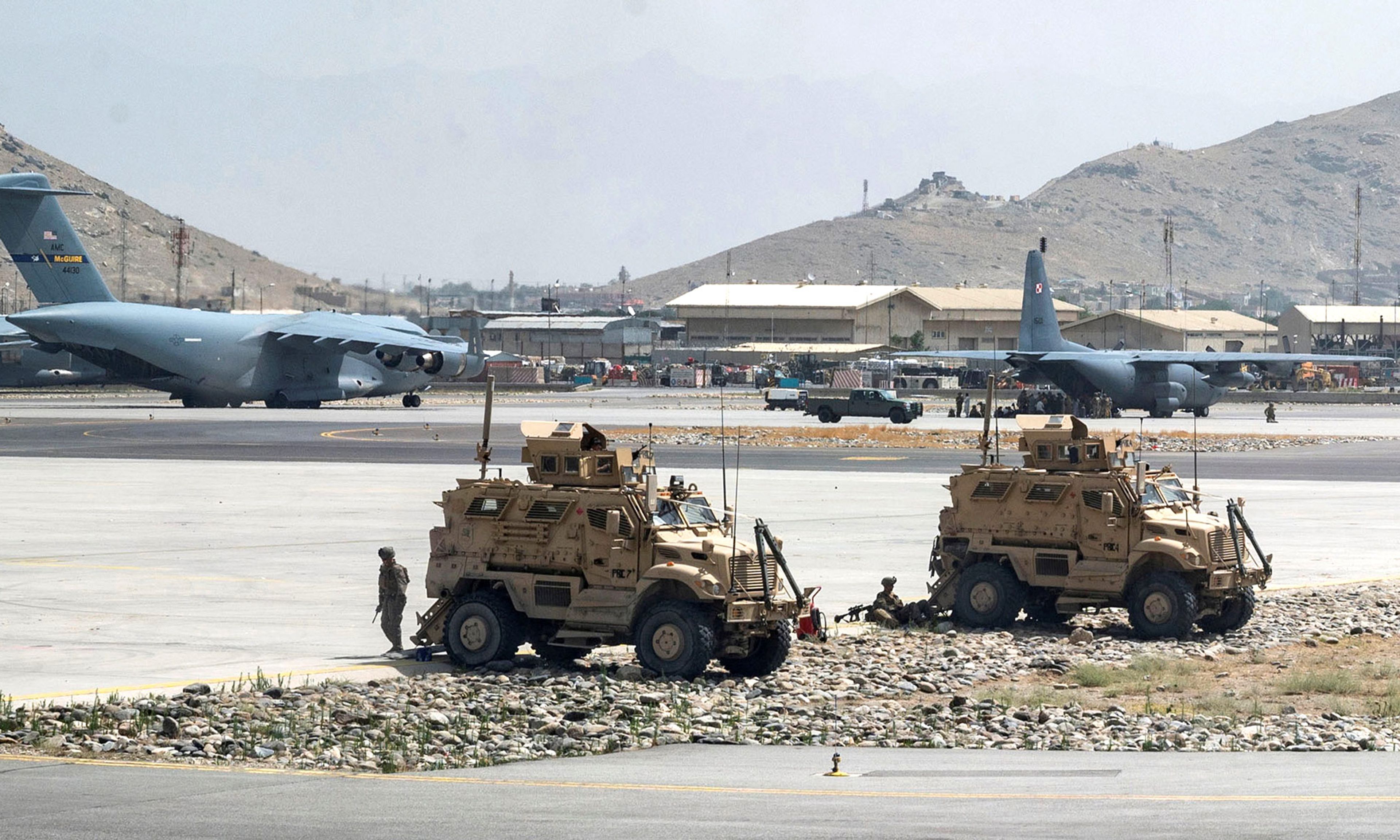
It’s obvious — if not necessarily to the Biden administration — that the success of a nation’s foreign policy depends, in part, on its ability to shape the way in which it is seen abroad. The U.S. was able to ensure the survival of West Berlin — a highly vulnerable exclave — throughout the Cold War in no small part because the Kremlin could never be certain how fiercely America would react if the Soviets attempted to take over the western half of that divided city by force. The Berlin Airlift was an early and remarkable display of support, but the dispatch at the same time of three B-29 bomber groups, which may or may not have been in a position to initiate a nuclear strike, to the U.K. may also have helped persuade Stalin to take things no further. To work, deterrence must be credible. The American, British, and French troops stationed in West Berlin for decades were no more than a tripwire, but Moscow could only speculate about what would follow from triggering it. It never took the risk.
Bringing the Soviets round to the view that this would be too dangerous a gamble to take meant not only building a nuclear arsenal, but also demonstrating — if only, in this case symbolically — a preparedness to use it. The airlift was a symbol of the depth of America’s commitment to West Berlin, as was the tripwire. And the willingness to defend West Berlin was itself the sign of a wider resolve to stand up to the USSR.

Comments