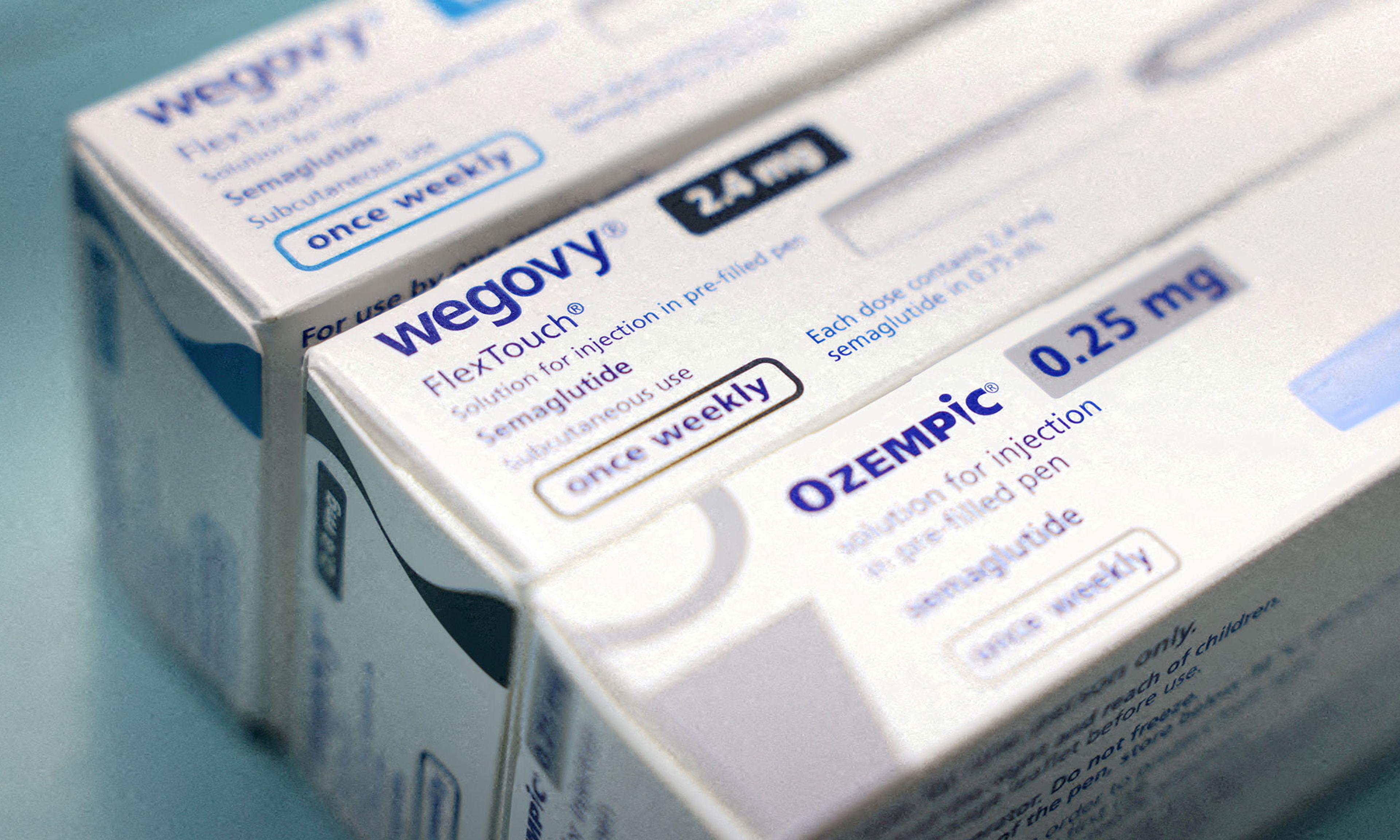
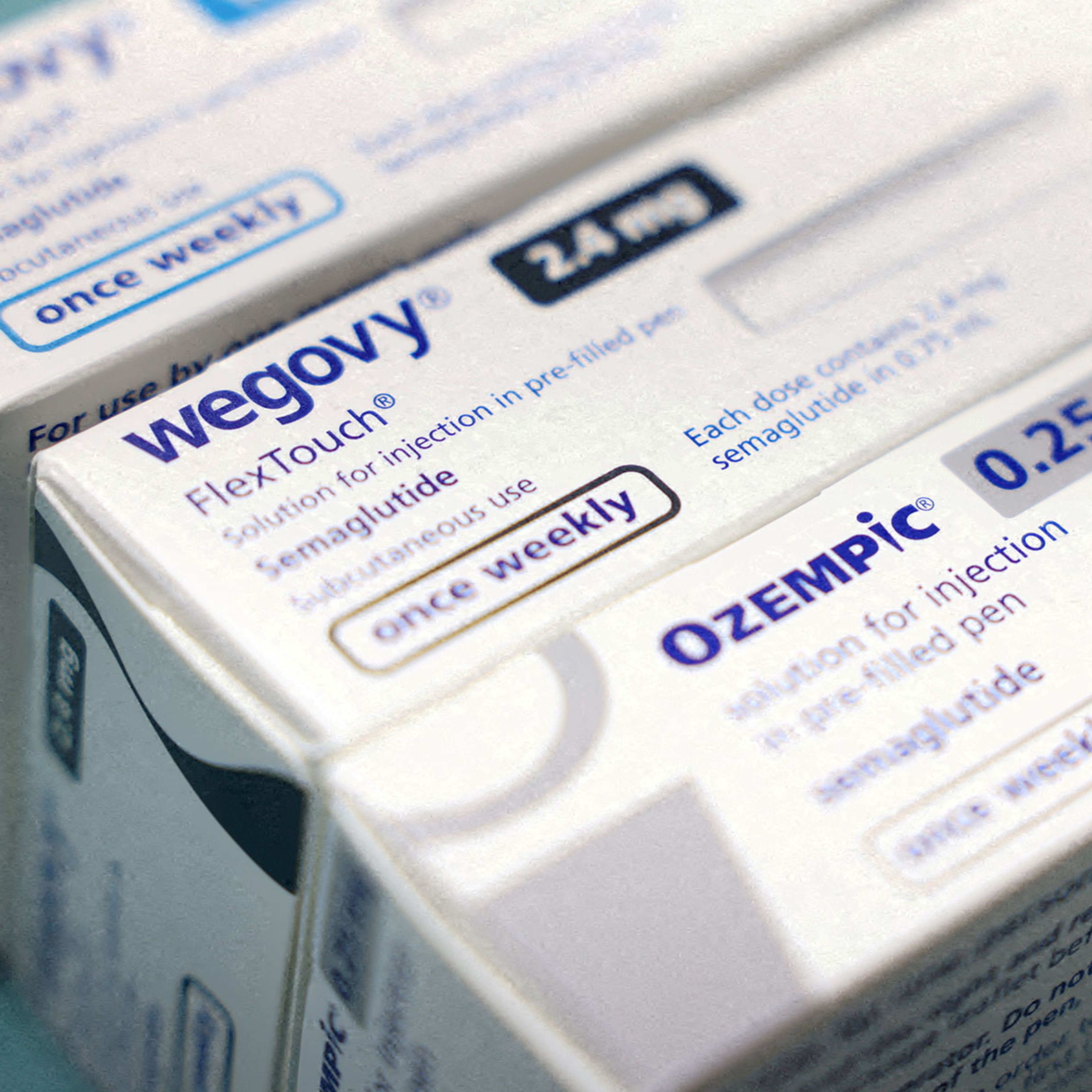
Walk into Cuba Libre in downtown Washington, D.C., and you’ll see a new menu: the “GLP-Wonderful” menu, which features smaller portions that cater to trendy customers on weight-loss medication. It’s the same in pockets of New York City, where restauranters have created “Teeny-Weeny Mini Meal” options, snack boards, and mini cocktails like the snaquiri (weight-loss drugs can also decrease alcohol cravings). At the stylish Tucci in downtown Manhattan, GLP-1 diners can feast on caviar-topped arancini for $12 each, or one meatball for $10. The fine-dining restaurant Fat Duck in Berkshire, England, also recently introduced a “mindful” dining experience with smaller portions.
Supermodel Kate Moss preached gospel when she said in 2008 that “nothing tastes as good as skinny feels.” That mantra, popularized by bone-thin celebrities and touted by teenagers with eating disorders, colored the way an entire generation thought about weight, food, and exercise. My generation’s mothers and mentors were obsessed with diet culture. My generation became obsessed with skinny.


Comments