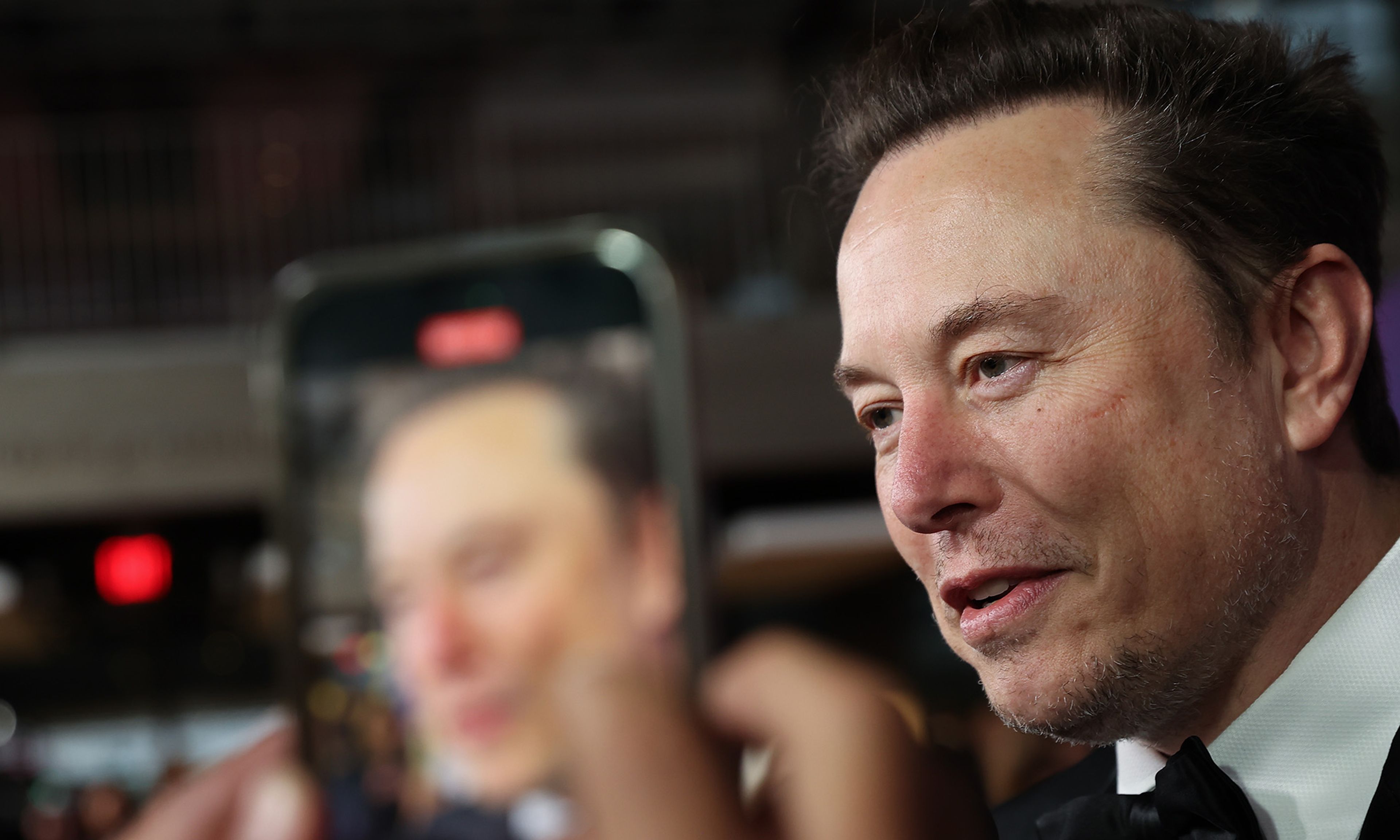
On Sunday, National Review published my article about Britain’s two-tier judiciary and uniquely harsh sentencing for offenders perceived as right-wing. Aaron Sibarium, the star reporter at the Free Beacon, shared excerpts from the story on Twitter/X, which caught Elon Musk’s attention. Their posts about my story have garnered over 30 million views combined. For the first time in my life, I was experiencing some kind of (online) fame, and my phone was buzzing constantly. It was exciting exposure — but it also was a valuable lesson in how journalism today turns writers into virtual punching bags as deranged strangers hit you with baseless attacks.
I am grateful that Musk spotlighted my reporting and brought awareness to what I consider an important issue, but that light attracted a swarm of angry internet users. My inbox was filled with messages of expletives and insults, as well as inappropriate questions about an imagined romantic relationship between me and Musk. Since I live in the United Kingdom, people suggested that I was partially responsible for ongoing problems here because, supposedly, I had voted for the progressive prime minister Keir Starmer, despite the fact that I have never voted here nor for a left-wing candidate. But I was simultaneously condemned for being right-wing, allegedly “groomed and brainwashed by the federalist society.”





Comments