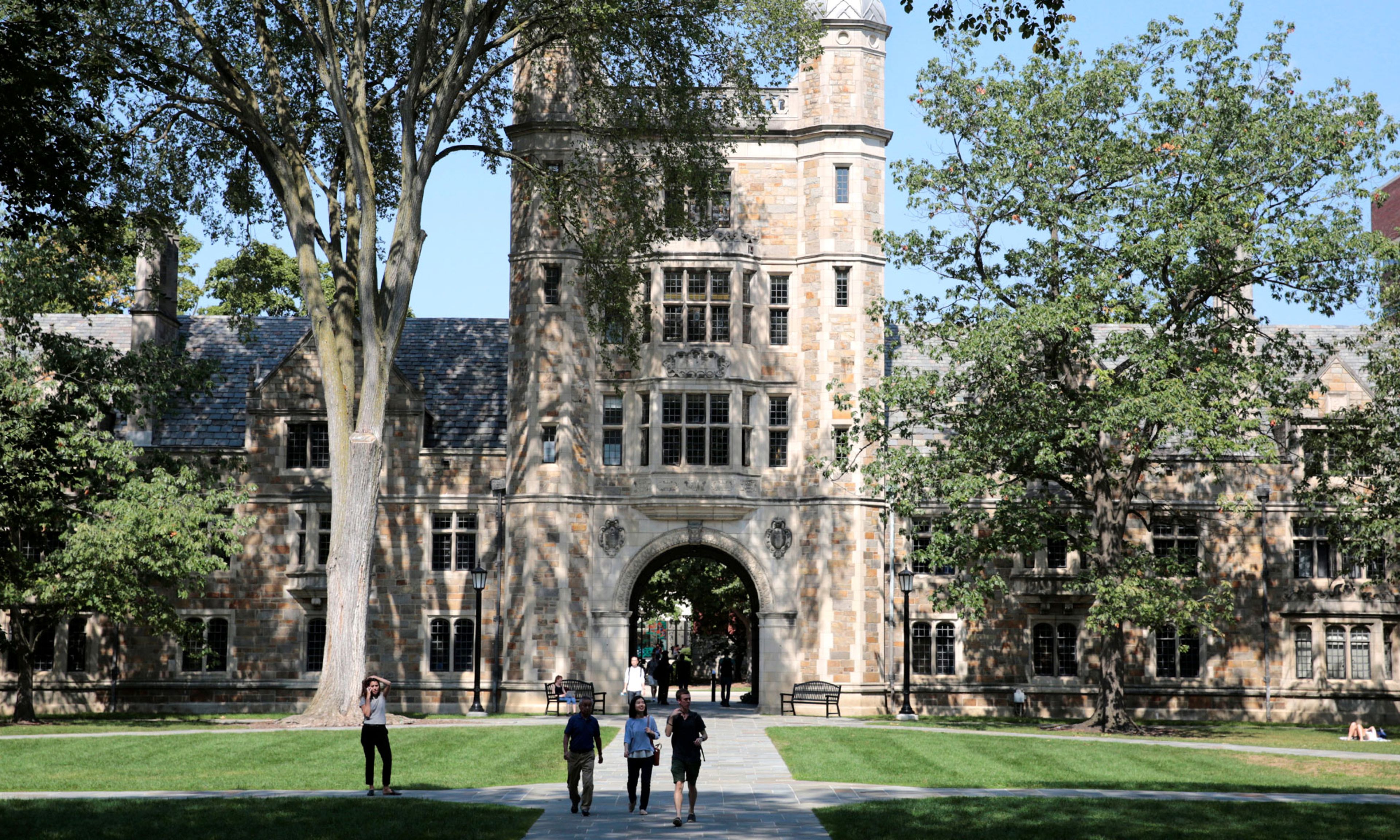
On March 10, 2022, the University of Michigan’s Office of Diversity, Equity, and Inclusion emailed students notifying them of the end of “DEI 1.0” and its intentions to transition to “DEI 2.0,” a new strategic plan set to begin in the fall of 2023. The 2022–2023 school year is an evaluation period for DEI 1.0, so it is not quite set in stone how the new program will look, but the university’s email made it clear that DEI 2.0 will double down on the school’s “commitment to . . . the advancement of anti-racism, anti-ableism, anti-Semitism, gender equity and building a climate resistant to sexual misconduct.” And no, you did not read that third item in the list wrong.
Several hours later, the administration sent out a follow-up email apologizing for the “harm” caused by the obvious mistake. Although insignificant in and of itself, such errors are the natural product of the incompetent DEI bureaucracy at U-M, which employed 163 staff in 2021 and is the largest office of its kind in the country according to a report from the Heritage Foundation. And according to a recent survey conducted by the university, since the size of the DEI staff began ballooning under President Mark Schlissel (who arrived in 2015 and was fired earlier in the year for an inappropriate relationship with a subordinate), the campus climate has only worsened.




Comments