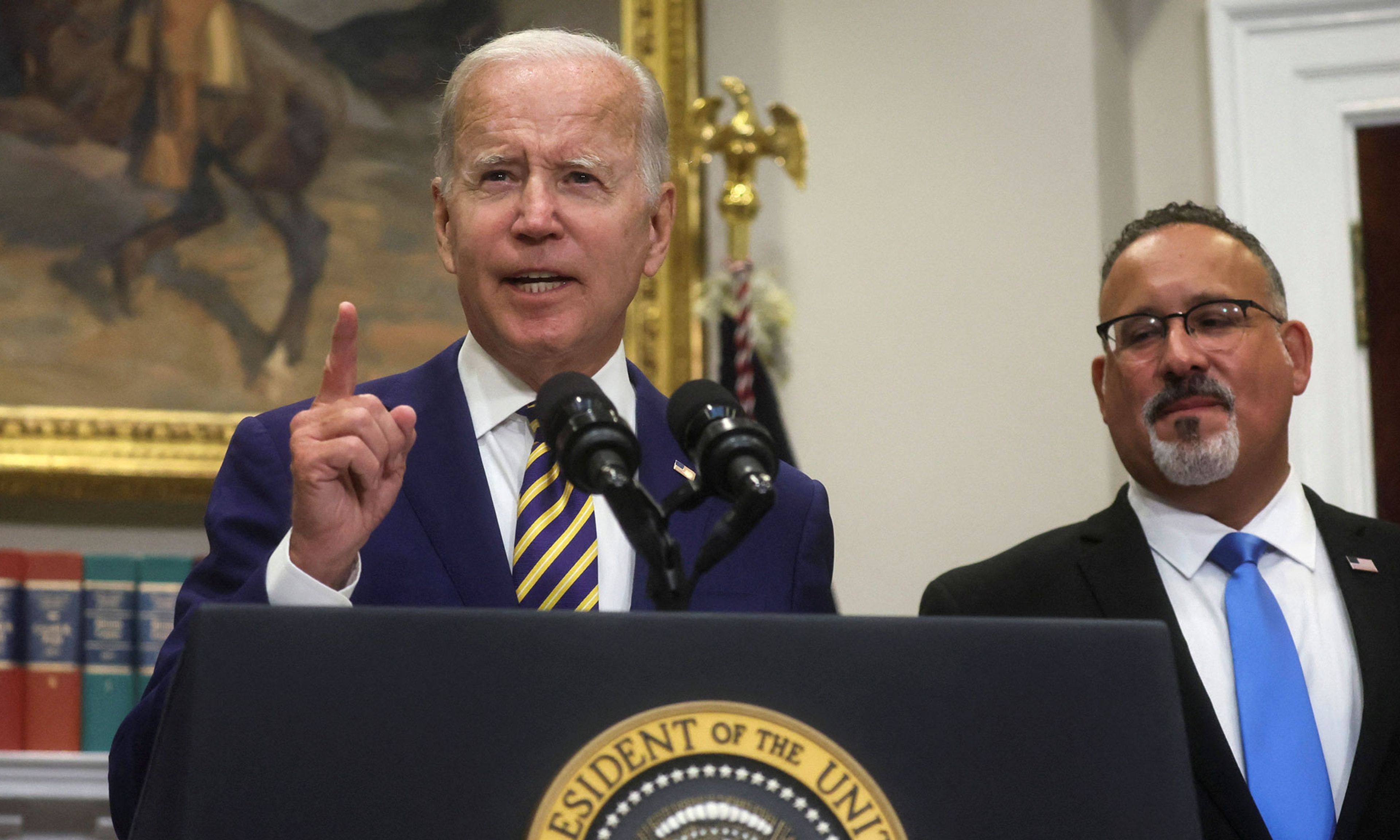
If, like me, you have a college-bound high-school senior in your family, you’ve likely been on the receiving end of yet another colossal screw-up by our federal government: the overhaul of the Free Application for Federal Student Aid, commonly known as the FAFSA. Every year, students (or more commonly their parents) need to fill out the FAFSA with information about their income, assets, and expenses in order to qualify for federal student aid. Many colleges require the FAFSA before awarding other forms of need-based aid, and some require it to be filed even by people without need before they can qualify for scholarship aid. There’s a more detailed and onerous form, the CSS, operated by the College Board and required by some schools. Filling these out is like doing your taxes, only more so. Typically, the forms are available in October, and schools may set filing deadlines in the fall so that they can deliver financial-aid awards at or near the time they send out acceptances.
Not this year. The FAFSA wasn’t even fully available until January 8, after the Department of Education briefly flicked on the lights on the form on December 30 just so it could claim that it launched in 2023. I was on two college visits over the weekend; one school said that it was just starting to receive the first batch of FAFSA need assessments for its accepted students, and the other had decided in the fall that this was going to be a disaster and pushed its date for students to commit to the school back from May 1 to June 1. For schools with rolling deadlines, that means that students who are ready to commit now will have a leg up on those whose decisions hinge on available aid. It also means that undecided students may end up wasting time visiting campuses they would otherwise have crossed off their lists by now. On Monday, Gavin Newsom signed an emergency law extending by a month the deadline for California students to apply for scholarships, and the state has already pushed back the commitment date to May 15.





Comments