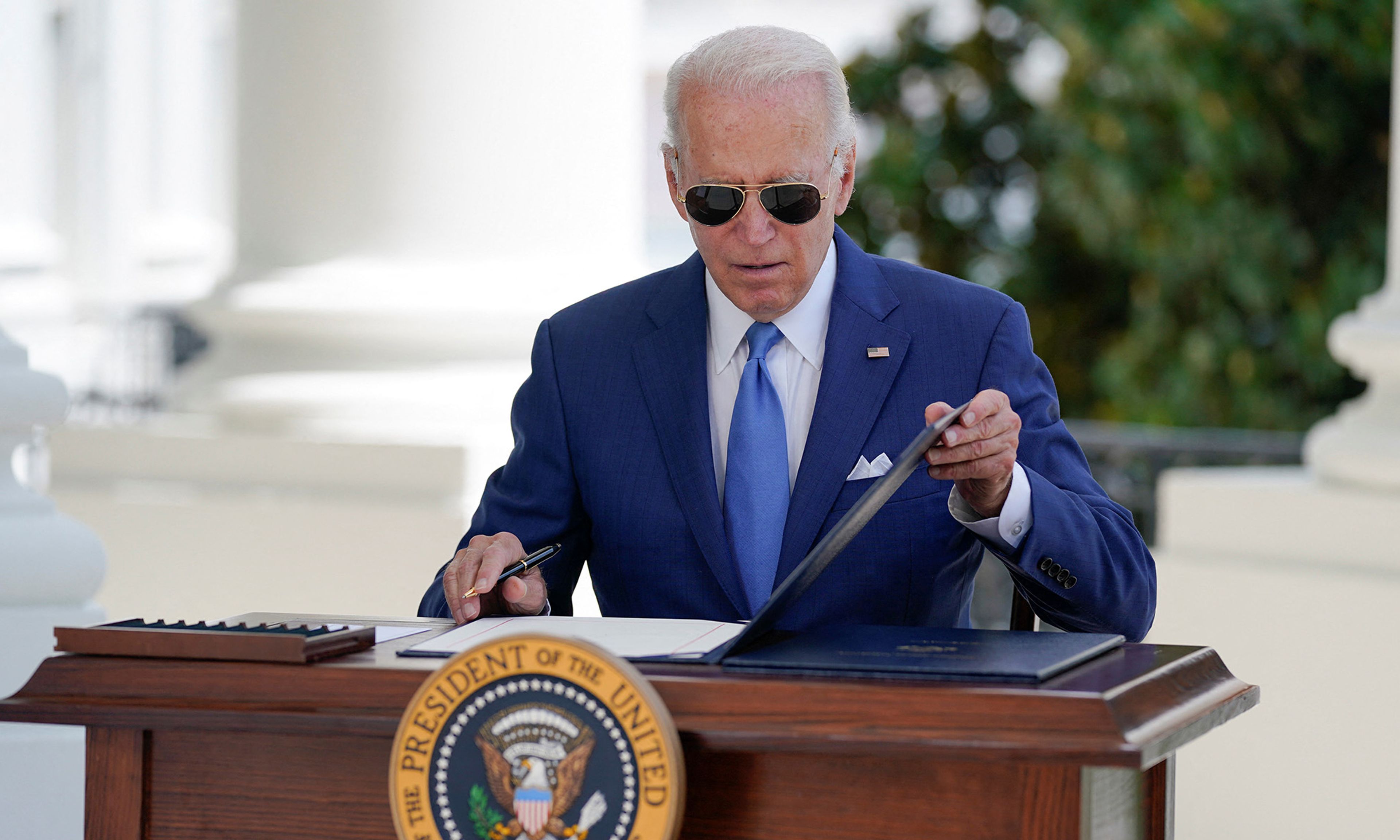
A major milestone passed in April 2023 without much notice: the end of the Covid-19 emergency. That month, Joe Biden (who is still president) signed a bipartisan congressional resolution ending the national emergency, declared in 2020, pertaining to the virus’s spread. A separate public-health emergency, initiated by the Secretary of Health and Human Services, ended a few weeks later, in early May. This milestone may have gone unnoticed in part because, by May 2023, most Americans had moved on from Covid-19. Cases had diminished, government restrictions had loosened, and ordinary life had largely returned. Those who did take note of the formal end of the emergency may have been surprised there still was one in effect.
Yet by the standards the federal government applies to exigencies, this particular emergency ended in a timely fashion. Many emergencies, granting vast powers to the president and to executive agencies, are still on the books. Similar declarations could unlock even greater powers. And it’s not just the federal government. State governments have comparable capacities. All governments require some degree of responsiveness to genuinely urgent situations. But the threat posed to our constitutional order by the enhanced government capabilities that lurk throughout our laws make clear that America has an “emergency” emergency.





Comments